

1
Protection
👁️
Evil Eye (Middle East)
Middle East
A blue glass bead charm that reflects the envious gaze before it can cause harm.
4.8Learn more →

Ranked by global popularity across 200+ countries. Explore the origins, meanings, and cultural significance of humanity's most beloved symbols of fortune.
For as long as human beings have walked the earth, they have carried objects believed to hold protective or fortune-bringing power. From the carved scarab beetles placed inside Egyptian tombs five thousand years ago to the blue glass evil eye beads pinned to the clothing of newborns in Istanbul today, lucky charms represent one of the most universal threads in human culture. They are found on every continent, in every major religion, and across every social class — a shared human instinct to seek reassurance that the universe is, at least in some small way, on our side.
50 Best Charms is a comprehensive, editorially independent reference dedicated to documenting, ranking, and explaining the world's most significant lucky charms, amulets, and talismans. Our team of researchers and cultural writers has spent years cataloguing over 489 charms from more than 174 countries, evaluating each one against five rigorous criteria: cultural significance, global recognition, historical importance, breadth of use across cultures, and contemporary relevance. The result is the most thorough ranking of lucky charms available anywhere.
Whether you are a collector, a cultural historian, a traveller curious about local traditions, or simply someone who has always wondered why horseshoes are hung above doorways, this site exists to answer your questions with depth, accuracy, and genuine respect for the traditions behind every object. Explore our rankings, dive into our blog articles, or browse charms by country and category to discover the extraordinary diversity of humanity's relationship with luck.
Every charm in our ranking is independently researched and scored against five weighted criteria: cultural significance, global recognition, historical importance, breadth of cross-cultural use, and contemporary relevance. Our rankings are never influenced by commercial relationships, brand partnerships, or paid placements. We update our research annually and correct factual errors within 48 hours of identification.
Read our full methodology →The highest-ranked lucky charms from our collection of 489. Explore their stories and discover why the world believes in them.
Middle East
A blue glass bead charm that reflects the envious gaze before it can cause harm.

Ireland
The rarest clover mutation, treasured as nature's own lucky charm.
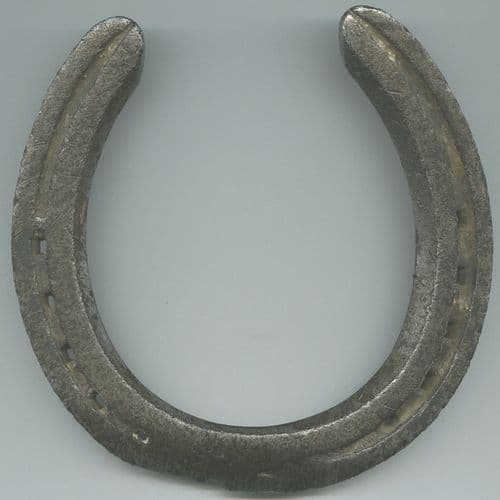
United Kingdom
An iron crescent hung above doorways to catch and hold good luck.

Japan
The beckoning cat is Japan's most iconic good-luck charm, believed to wave fortune, customers, and prosperity into any space it occupies.
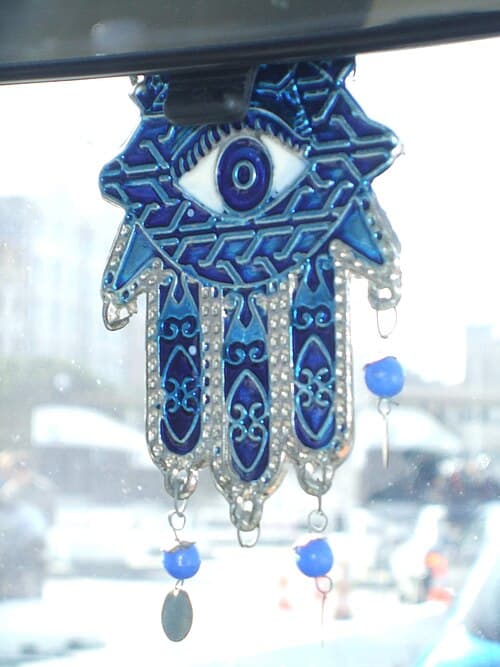
Middle East
An open palm amulet warding off the evil eye across Middle Eastern and North African cultures.

Ojibwe Nation, North America
A woven hoop hung above the bed to filter nightmares and allow only good dreams to pass through.

United States (adapted from Mediterranean/Middle Eastern tradition)
The iconic blue glass eye bead bracelet popularized in American fashion and metaphysical culture for protection against envy and negative energy.
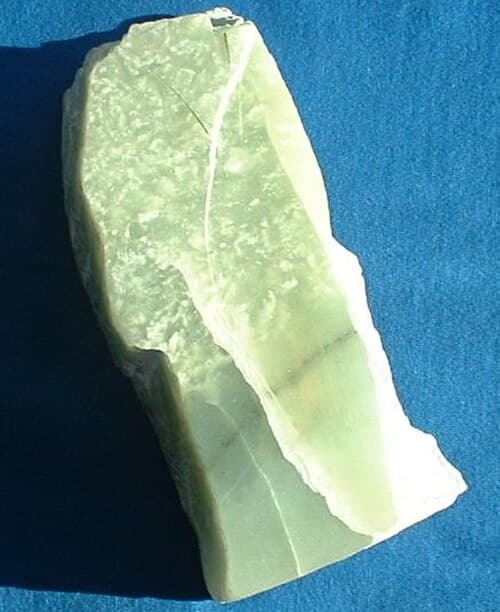
China
Revered for over 7,000 years, jade is the stone of heaven in Chinese culture, believed to protect health, ward off evil, and connect the wearer to divine virtue.

China
The Laughing Buddha — the round, joyful, sack-carrying monk — is China's most beloved symbol of happiness, wealth, and the simple abundance that comes from contentment.

India
The sacred elephant symbolizes wisdom, prosperity, and the removal of obstacles across South and Southeast Asia.
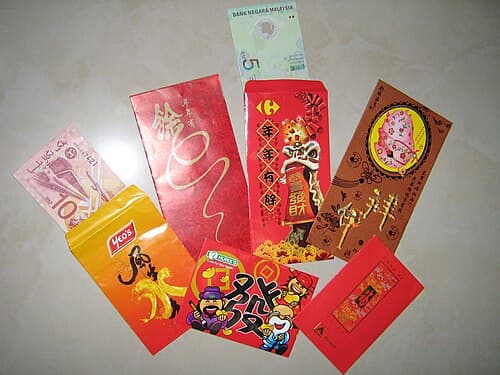
China
The red envelope (hongbao) is China's most universal good-fortune gift, transferring luck and blessings along with cash at every major life celebration.

China
Lucky Bamboo is a feng shui staple believed to bring good fortune, prosperity, and positive energy when placed in the home or office.

Egypt
The sacred Egyptian beetle of Khepri, symbol of transformation, rebirth, and the rising sun.

Japan
The round, roly-poly Daruma doll is Japan's symbol of perseverance — you set a goal, paint one eye, and complete the other only when the goal is achieved.

India
The primordial sound of the universe, Om is the most sacred symbol in Hinduism, Buddhism, and Jainism.

United Kingdom
The carried token of the animal renowned across cultures for its fecundity and quick fortune.

United Kingdom
The spotted red beetle that brings good fortune to whoever it lands upon.
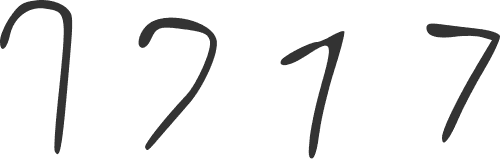
Ancient Near East
Across cultures and continents, the number seven is considered the luckiest single digit, woven into mythology, religion, science, and folklore.
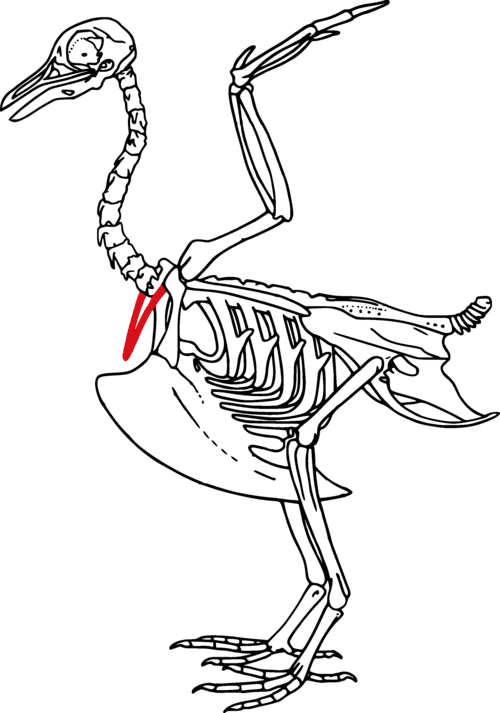
United Kingdom
The forked bird bone over which two people compete for their heart's desire.

United Kingdom
The humble copper coin that promises a turn of fortune when found heads-up.

Egypt
The ancient Egyptian key of life, a symbol of immortality and the union of masculine and feminine forces.

China
The Chinese dragon is the supreme symbol of imperial power, auspicious fortune, and the dynamic yang energy that drives all achievement and transformation.

China
Goldfish have been symbols of wealth and abundance in China for over a thousand years, their gold color and fluid movement embodying the easy flow of prosperity.
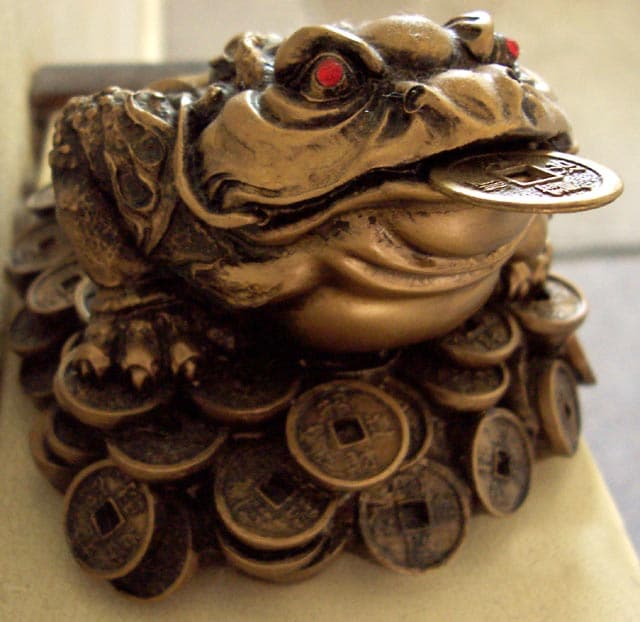
China
The three-legged toad sitting on coins with a coin in its mouth is one of feng shui's most potent wealth activators, said to attract money and prevent it from leaving.

Japan
The koi fish symbolizes perseverance, ambition, and transformation — the legendary carp that swam upstream and leaped the Dragon Gate to become a dragon.

Brazil
The stone of unconditional love, carried as the most universal charm for opening the heart to romantic love, self-love, and compassionate healing.

Brazil
The golden abundance crystal, known as the Merchant's Stone, carried to attract wealth, success, and the warm energy of solar prosperity.

Brazil
The royal purple crystal of sobriety and spiritual clarity, worn as a charm of protection, intuition, and connection to higher wisdom.
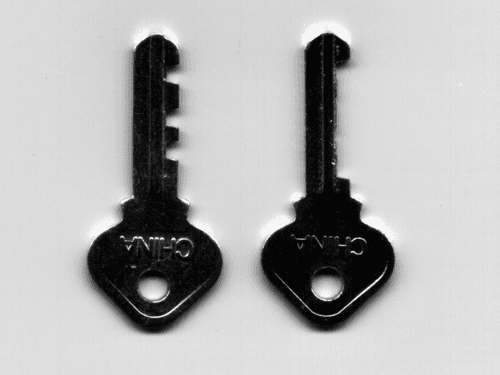
Germany
The symbol of access, knowledge, and new beginnings that unlocks the doors of fortune.

Israel
The six-pointed star that became Judaism's most recognized symbol, now carried as both identity marker and protective charm.

Early Medieval Ireland / Scotland
The Celtic Cross — a traditional Christian cross encircled by a ring — is an iconic symbol of Irish and Scottish heritage, faith, and eternal life used as a protective charm for millennia.

Early Christianity (Rome)
The Crucifix — a cross bearing the corpus (body) of Christ — is the central symbol of Christianity and one of the most powerful protective charms in the Western world.
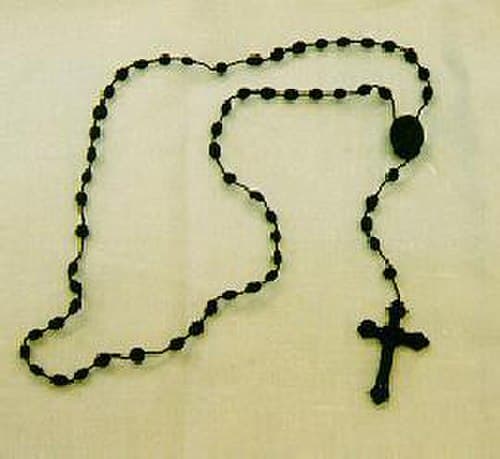
Medieval Europe
Rosary beads are the most recognizable Catholic prayer tool in the world, used by hundreds of millions for meditative prayer, protection, and the invocation of divine grace.

India
The elephant-headed Hindu deity Ganesha is the remover of obstacles and the lord of new beginnings.

United Kingdom
The pair of spotted cubes that embody chance itself, transformed into a personal lucky talisman.

China
The red string bracelet is one of East Asia's most widely worn protective charms, believed to ward off evil, bind fated relationships, and carry the protective power of the color red.
Middle East / North Africa
The sacred open palm named for the Prophet Muhammad's daughter, a cornerstone of Islamic protective symbolism.
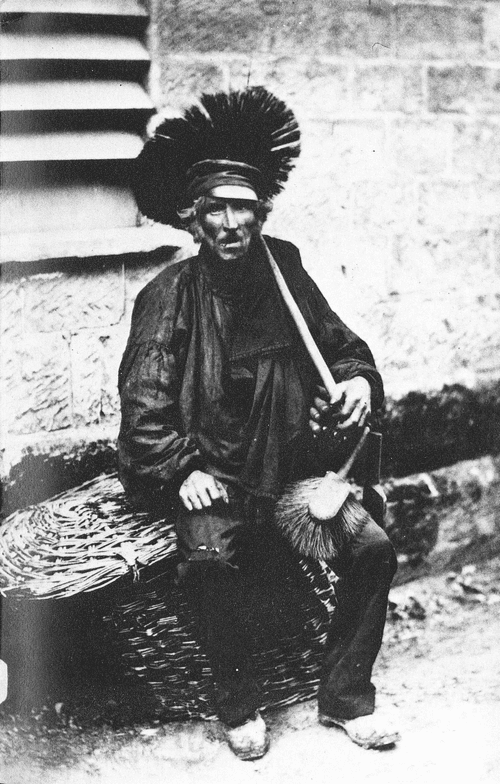
United Kingdom
The soot-covered bringer of luck whose handshake at a wedding guarantees happiness.

Germany
The pink porker at the heart of Germanic New Year luck traditions.

United Kingdom
The parasite plant the druids held sacred, bridging worlds and granting protection.

India
A string of 108 prayer beads used for mantra repetition, mala beads align the practitioner's energy with divine intention through meditative counting.

France
The patron saint of travellers whose medal has accompanied millions on journeys.

Christian Europe / United States
The Guardian Angel pin is a small angel-shaped brooch or lapel pin worn as a portable protection charm, especially beloved for children, travelers, and those in physically dangerous work.

India
The peacock feather with its all-seeing eye is associated with Lord Krishna, the goddess Saraswati, and transformative divine beauty.

Iran
The ancient sky-stone of the world's oldest cultures, worn as a charm of protection, communication, and the sacred turquoise bridge between earth and heaven.

Jamaica
Jamaica's national bird — the streamertail hummingbird — a symbol of joy, agility, and the vibrant natural spirit of the Caribbean island.

Pan-Indigenous North America
A sacred symbol across countless Indigenous cultures representing freedom, spiritual connection, and messages from the divine.

Italy
The sea's living architecture, carried as a charm of protective blood-red vitality, ocean blessing, and the communal strength of structures built over generations.

Japan
The ocean's luminous jewel, formed of patience and adversity, worn as a charm of purity, wisdom, and the beauty wrought by transforming irritation into treasure.
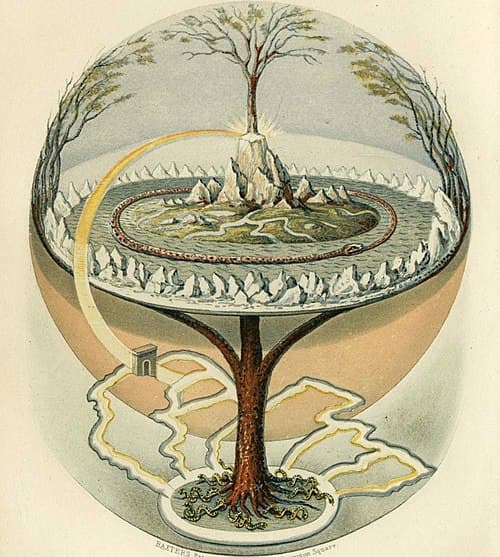
Ancient Mesopotamia / Multiple traditions
The Tree of Life is a universal symbol found in nearly every major world culture, representing the interconnection of all life, ancestral roots, and the continuous cycle of growth and renewal.
Explore lucky charms grouped by what they attract — wealth, health, love, and more.
Lucky charms that attract financial abundance, prosperity, and material success from cultures worldwide.
Protective symbols and talismans believed to promote physical wellbeing, healing, and longevity.
Romantic charms and symbols that draw love, strengthen relationships, and invite soulful connection.
Ancient amulets and wards that shield against evil, misfortune, negative energy, and harm.
Talismans believed to open doors, sharpen focus, and bring achievement in career and ambition.
All-purpose lucky charms bringing broad good fortune, positivity, and blessings into daily life.
Discover the lucky charm traditions of cultures across the globe.
It would be easy to dismiss lucky charms as relics of a pre-scientific age — superstitious holdovers that should have faded alongside alchemy and flat-earth cosmology. And yet the opposite has happened. The global market for amulets, talismans, and symbolic jewelry has grown steadily for decades. Silicon Valley engineers wear evil eye bracelets. Olympic athletes carry lucky coins. Surgeons tape four-leaf clovers inside their lockers. The question is not whether people still believe in lucky charms, but why they do — and what the answer reveals about the human mind.
The psychological research is compelling. Studies at the University of Cologne demonstrated that participants who were told they had a "lucky ball" performed significantly better in motor and cognitive tasks than those given an identical ball with no such label. The mechanism is not magic — it is confidence. A lucky charm provides a psychological anchor: a physical reminder of past success, of loved ones, of goals set and effort committed. It shifts attention from anxiety to agency, from fear of failure to expectation of success. In clinical terms, lucky charms function as self-efficacy boosters — and self-efficacy is one of the strongest predictors of performance across virtually every human endeavour.
But charms are more than psychology experiments. They are cultural inheritance. A Hamsa hand connects its wearer to five thousand years of Middle Eastern protective tradition. A Daruma doll connects a Japanese student to the Zen philosophy of Bodhidharma. A dreamcatcher connects a Native American family to the Ojibwe spider-woman creation story. To carry a charm is to carry a fragment of living history — to participate in a tradition that your ancestors also participated in, using the same gestures, the same materials, the same hopes. In an increasingly disconnected world, that continuity matters profoundly.
Our mission at 50 Best Charms is to honour that inheritance by documenting it with the depth and accuracy it deserves. Every charm in our database has been researched, verified, and written about with genuine respect for the culture that created it. We invite you to explore — not just with curiosity, but with the recognition that every charm you encounter on this site represents a community of real people who believed, and often still believe, that the universe can be nudged toward kindness.
Hand-selected charms from our editorial team — objects with particularly fascinating histories, deep cultural roots, or surprising modern relevance.
Ireland
The rarest clover mutation, treasured as nature's own lucky charm.
Japan
The beckoning cat is Japan's most iconic good-luck charm, believed to wave fortune, customers, and prosperity into any space it occupies.
Middle East
An open palm amulet warding off the evil eye across Middle Eastern and North African cultures.
Ojibwe Nation, North America
A woven hoop hung above the bed to filter nightmares and allow only good dreams to pass through.
Egypt
The sacred Egyptian beetle of Khepri, symbol of transformation, rebirth, and the rising sun.
Japan
The round, roly-poly Daruma doll is Japan's symbol of perseverance — you set a goal, paint one eye, and complete the other only when the goal is achieved.
Our editorial team continuously updates charm descriptions, adds newly researched entries, and publishes fresh articles. This is a living reference, not a static list.
Major content enrichment: added History & Origins, Cultural Significance, and expanded practical guidance to every charm page. Five new blog articles on feng shui charms, travel luck, wedding traditions, cleansing rituals, and the science of belief.
Added 10 new blog articles covering maritime superstitions, digital-era lucky charms, and sacred jewelry from holy sites worldwide.
Launched 50 Best Charms with 489+ ranked charms, 174+ country pages, and comprehensive editorial methodology.
Guides, histories, and deep dives into lucky charm culture worldwide.
From Spanish grapes at midnight to Japanese Daruma dolls and Brazilian white clothing, discover the lucky charm traditions that cultures worldwide use to welcome the New Year.
Can a rabbit's foot really improve your luck? Surprising research from psychology and neuroscience reveals that lucky charms work — just not the way most people think.
From St. Christopher medals to Thai amulets, discover the lucky charms that travelers have relied on for centuries — and which ones to pack on your next trip.

