

2
General
🍀
Four-Leaf Clover
Ireland
The rarest clover mutation, treasured as nature's own lucky charm.
4.9Learn more →

Europe - Eastern
8 charms from this country
Slovenia's charm tradition sits at the intersection of Central European (Germanic), Mediterranean (Italian/Venetian), and Slavic influences, producing a rich folk culture. The potica (rolled nut cake) given at Christmas is a blessing object. Slovenian folk embroidery from the Gorenjska region incorporates specific lucky motifs. The horseshoe, four-leaf clover, and ladybug are European universals.
The Kurent — a frightening shaggy creature with cowbells and a hedgehog-skin cap — appears in the Kurentovanje carnival before Lent to chase away winter and evil spirits from the land. Wearing or carrying a Kurent image confers protective power from this ritual. The Lipizzaner horse, bred in Slovenia's Lipica stud farm, is a national symbol associated with grace and divine favor.
Ireland
The rarest clover mutation, treasured as nature's own lucky charm.
United Kingdom
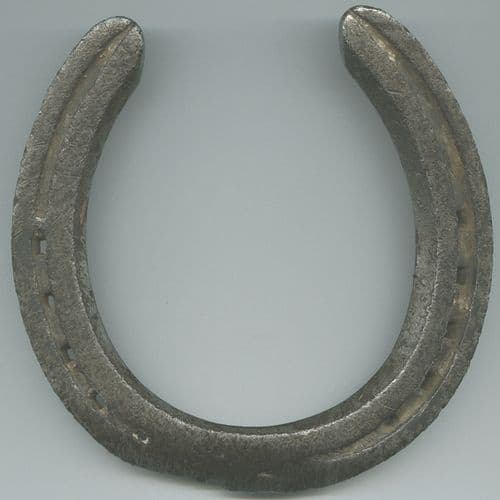
An iron crescent hung above doorways to catch and hold good luck.

United Kingdom
The spotted red beetle that brings good fortune to whoever it lands upon.

United Kingdom
The humble copper coin that promises a turn of fortune when found heads-up.
Medieval Europe
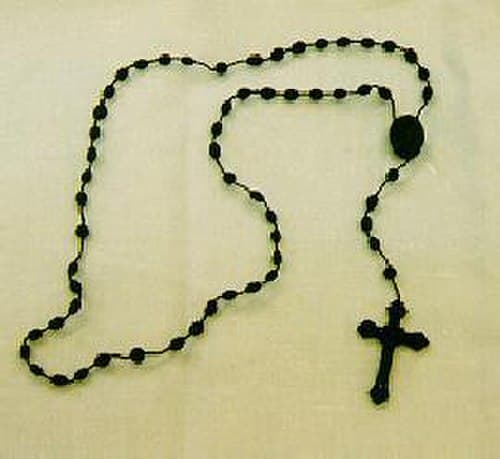
Rosary beads are the most recognizable Catholic prayer tool in the world, used by hundreds of millions for meditative prayer, protection, and the invocation of divine grace.

United Kingdom
The most universally lucky number in Western culture, encoded in the cosmos itself.
Switzerland
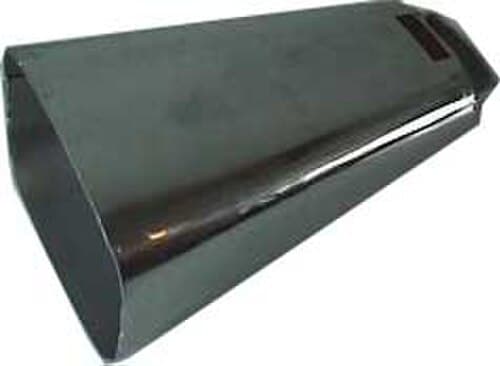
The resonant Alpine bell that calls home the herd and welcomes good fortune.

Slovenia
The heart-shaped linden leaf of Slovenia — the sacred tree of the Slavic world symbolizing love, justice, and the village gathering place.

