

32
Protection
✝️
Crucifix
Early Christianity (Rome)
The Crucifix — a cross bearing the corpus (body) of Christ — is the central symbol of Christianity and one of the most powerful protective charms in the Western world.
4.8Learn more →

Americas - Caribbean
5 charms from this country
Haiti is the birthplace of Vodou (voodoo), the syncretic Afro-Caribbean religion that was born from the encounter of West African Fon and Yoruba spiritual traditions with French Catholicism among enslaved people. Haitian Vodou involves a complex pantheon of spirits (lwa) each with specific colors, symbols, days, and protective functions. The vévé — geometric symbols drawn on the ground in cornmeal to summon specific lwa — are among the most beautiful and potent protective symbols in the Americas.
The gris-gris bag (wanga or mojo), containing specific objects for attraction or protection, is a standard Haitian Vodou tool. The protective lwa Marasa (sacred twins), Ogou (warrior), and Ezili Freda (love) are invoked through specific objects and colors. Catholic prayer beads and crucifixes coexist with Vodou objects in most Haitian homes, the saints identified with specific lwa.
Early Christianity (Rome)
The Crucifix — a cross bearing the corpus (body) of Christ — is the central symbol of Christianity and one of the most powerful protective charms in the Western world.
Medieval Europe
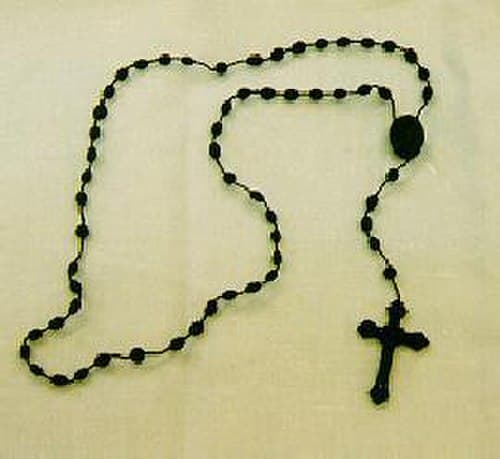
Rosary beads are the most recognizable Catholic prayer tool in the world, used by hundreds of millions for meditative prayer, protection, and the invocation of divine grace.

West Africa
Ancient African currency and fertility symbol used across the continent for centuries.

African American South
The African American folk magic charm bag — a personal power object containing curios, herbs, and concentrated intention.
Haiti (Haitian Vodou tradition)
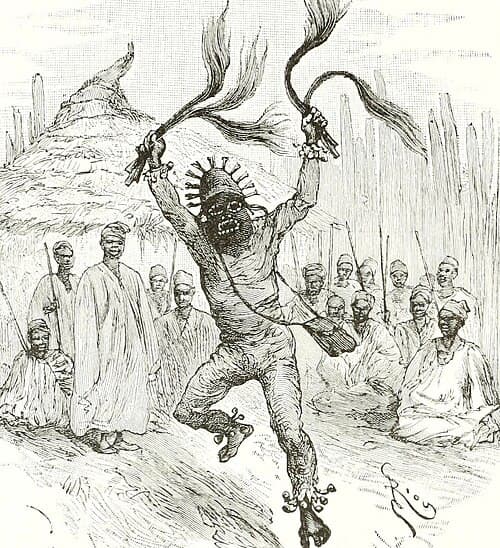
Sacred geometric symbols drawn in cornmeal or flour to invoke specific Lwa (spirits) in Haitian Vodou ceremonies.

