

2
General
🍀
Four-Leaf Clover
Ireland
The rarest clover mutation, treasured as nature's own lucky charm.
4.9Learn more →

Europe - Northern
9 charms from this country
Lithuania was the last country in Europe to officially convert to Christianity (1387), and its pre-Christian Baltic religion left deep marks on folk charm traditions. The rooster carved atop a Lithuanian farm building (klėtis) was the protective bird that drove away evil. The linden tree (liepa, which gives Lithuania its name) was sacred to Laima, the goddess of fate and luck; sitting under a linden tree was believed to invite her blessing.
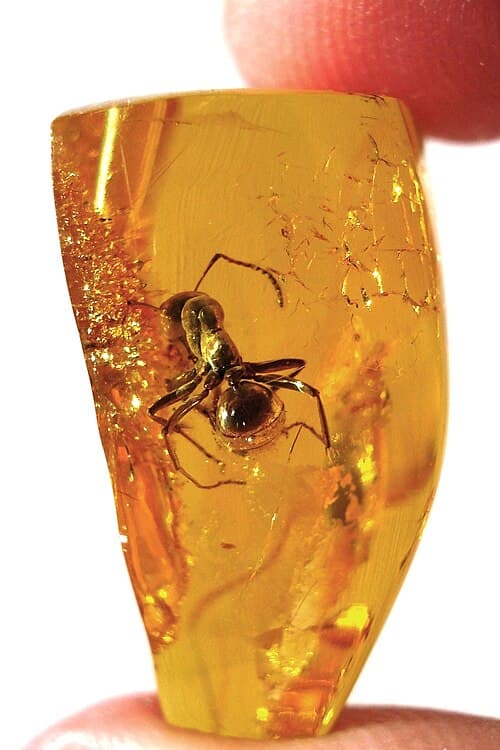
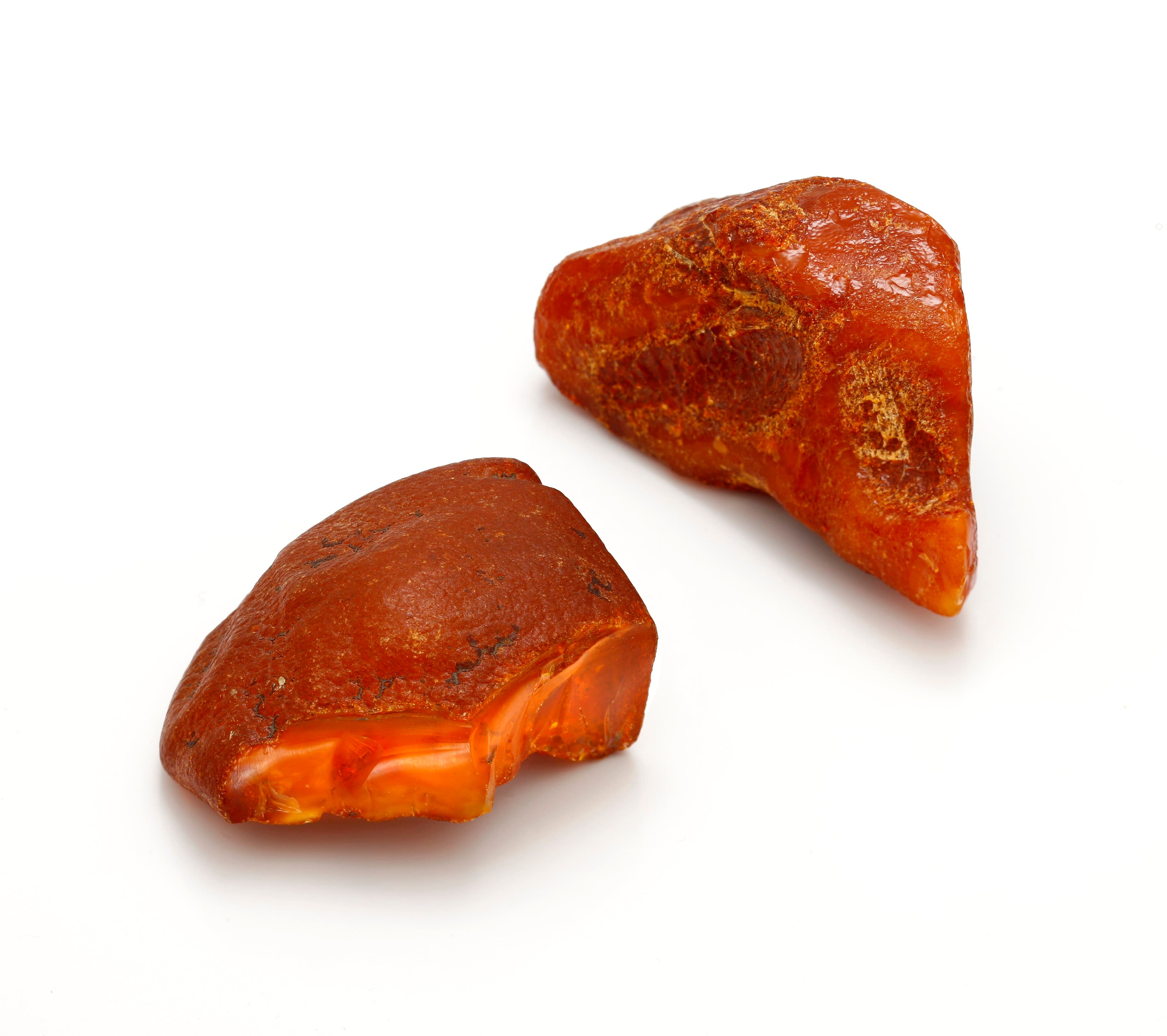
Amber — of which Lithuania is the world's leading producer — has been the primary protective stone of the Baltic region for six thousand years. Amber beads, amber-set silver jewelry, and amber pendants in every form are Lithuania's defining lucky charm. The Romuvan sacred fire tradition and the Užgavėnės spring carnival involve specific protective rituals against winter spirits and misfortune. Horseshoes and four-leaf clovers are standard.
Ireland
The rarest clover mutation, treasured as nature's own lucky charm.
United Kingdom
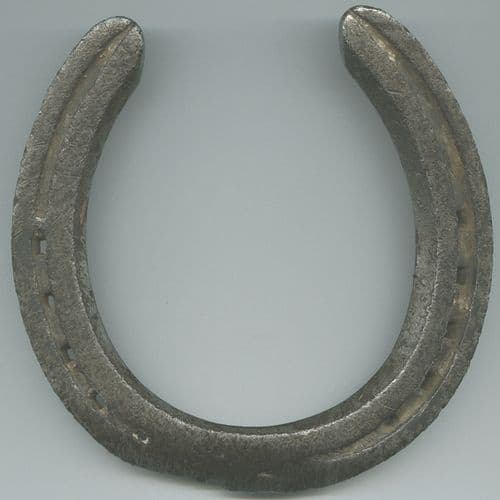
An iron crescent hung above doorways to catch and hold good luck.

United Kingdom
The spotted red beetle that brings good fortune to whoever it lands upon.

United Kingdom
The humble copper coin that promises a turn of fortune when found heads-up.
United Kingdom
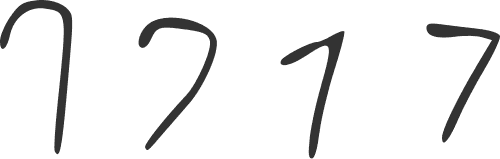
The most universally lucky number in Western culture, encoded in the cosmos itself.

United Kingdom
The tiny seed of the mighty oak, carried for slow-growing but lasting luck.

Lithuania
Lithuania's beloved white stork — the bird that nests on rooftops and chimneys, bringing luck, babies, and spring's return.
Lithuania
Ancient tree resin turned to golden stone over millions of years, carried as a charm of healing warmth, timeless wisdom, and the sun's preserved light.
Lithuania
Ancient fossilized Baltic tree resin — the Northern European gold that carries 45 million years of healing and protective energy.

