

2
General
🍀
Four-Leaf Clover
Ireland
The rarest clover mutation, treasured as nature's own lucky charm.
4.9Learn more →

Europe - Eastern
8 charms from this country
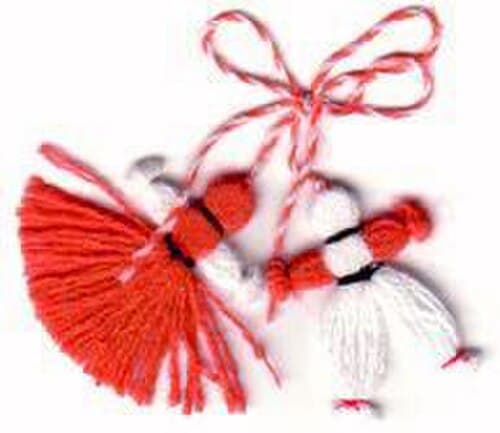
Bulgaria's charm tradition is among Eastern Europe's most vivid, particularly its martenitsa custom. The martenitsa — closely related to the Romanian mărțișor — is a red-and-white twisted cord worn from March 1st (Baba Marta's Day) until the wearer sees the first stork or swallow of spring, at which point it is tied to a tree for luck. This is one of Bulgaria's most beloved and distinctive national traditions.
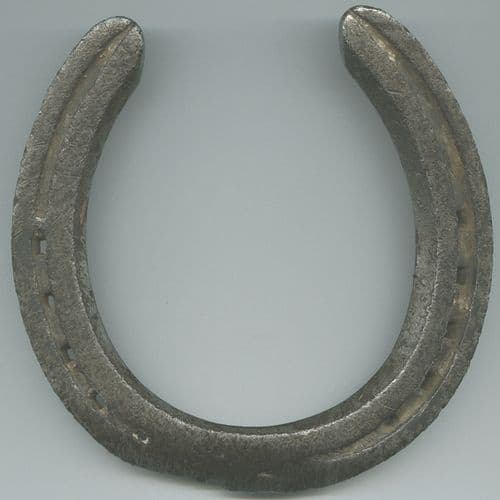
The evil eye (uroki) is taken very seriously in Bulgarian folk belief: blue beads are placed above babies' cribs, and knowledgeable women perform 'uroci' (cure rituals) with water, charcoal, and specific verbal formulas. The horseshoe, four-leaf clover, and ladybug are standard European luck-bringers. Bulgarian folk embroidery from different regions incorporates specific geometric protective motifs.
Ireland
The rarest clover mutation, treasured as nature's own lucky charm.
United Kingdom
An iron crescent hung above doorways to catch and hold good luck.

United Kingdom
The spotted red beetle that brings good fortune to whoever it lands upon.

United Kingdom
The humble copper coin that promises a turn of fortune when found heads-up.
Medieval Europe
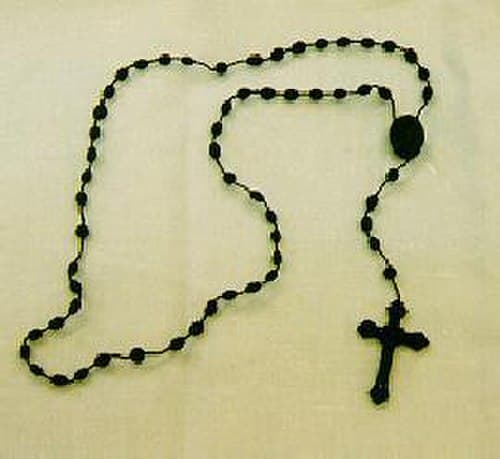
Rosary beads are the most recognizable Catholic prayer tool in the world, used by hundreds of millions for meditative prayer, protection, and the invocation of divine grace.

United Kingdom
The most universally lucky number in Western culture, encoded in the cosmos itself.
Bulgaria
Bulgaria's red and white spring charm worn from March 1st to celebrate winter's end and invite health and happiness.

Bulgaria
The Rosa Damascena of Bulgaria's Rose Valley — the world's finest rose oil and a symbol of beauty, healing love, and fragrant abundance.

