
38
General
🪣
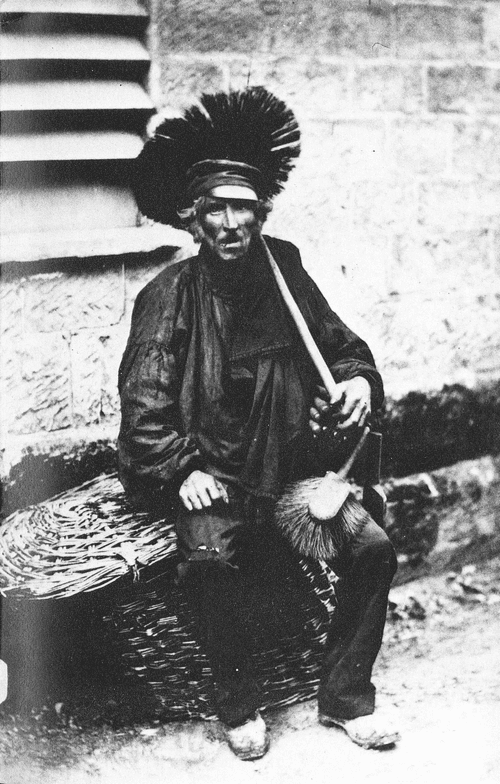
Chimney Sweep
United Kingdom
The soot-covered bringer of luck whose handshake at a wedding guarantees happiness.
4.4Learn more →


The pink porker at the heart of Germanic New Year luck traditions.
The pig holds an exceptionally honoured place in Germanic and Scandinavian luck traditions, where it is celebrated as a symbol of prosperity, abundance, and good fortune. The German phrase 'Schwein haben' — literally 'to have pig' — means to be lucky, a linguistic fossil that preserves the ancient association between pigs and good fortune. At New Year, marzipan pigs are exchanged as gifts across Germany, Austria, Switzerland, and Denmark in a tradition that dates back centuries.
The lucky pig's origins are rooted in the practical realities of medieval agricultural life. A family wealthy enough to own a pig was genuinely fortunate: the animal provided meat, fat for cooking and lighting, and the possibility of offspring that could be traded or sold. Having a pig at year's end meant the family had eaten well and saved well. The pig thus became a tangible symbol of managed abundance and household prosperity.
In Scandinavian tradition, the pig is also associated with Freyr, the Norse god of fertility and prosperity, who rode a golden boar. This mythological connection elevated the pig beyond mere agricultural symbol into the realm of divine favour. Danish and Swedish Christmas and New Year traditions feature marzipan and chocolate pigs prominently, continuing a thread of meaning that stretches from Viking mythology to modern confectionery.
The pig represents material abundance, intelligent resource management, and the satisfying fullness of a prosperous life. Unlike wealth won by chance, pig-luck suggests the kind of fortune built through sensible husbandry — saving what you have and growing it carefully. It is a symbol for those who want not just a windfall but lasting comfort.
Give a marzipan or chocolate pig as a New Year gift with a wish for Schwein gehabt in the coming year. Ceramic pig figurines are kept in kitchens and living rooms as permanent luck anchors. In Austria, small golden pig charms are worn on charm bracelets as year-round talismans for financial wellbeing.
In Germany, the tradition of receiving a 'lucky pig' (Glücksschwein) is so ingrained that the phrase 'Schwein gehabt' is used colloquially for lucky escapes of all kinds — a near-miss traffic accident, a last-minute exam pass, or any stroke of unexpected fortune is described as having 'gotten pig.'
It means to be lucky or to have had a lucky escape. A German person who narrowly avoids an accident or receives unexpected good news might say 'Ich habe Schwein gehabt' — I had pig, meaning I got lucky.
Yes, particularly in Scandinavian tradition. The pig (specifically a boar) was sacred to Freyr, the Norse god of prosperity and fertility. His golden boar Gullinbursti ('Golden Bristles') could run through the sky and was a symbol of divine abundance.
Marzipan has been a prestige confection in Northern Europe since the medieval period, associated with wealth and celebration. Shaping it into lucky symbols for New Year combines two expressions of good fortune: the richness of the sweet itself and the luck symbolism of the shape.
United Kingdom
The soot-covered bringer of luck whose handshake at a wedding guarantees happiness.

Ireland
The rarest clover mutation, treasured as nature's own lucky charm.

Italy
The overflowing horn of plenty, symbol of inexhaustible abundance.

