

2
General
🍀
Four-Leaf Clover
Ireland
The rarest clover mutation, treasured as nature's own lucky charm.
4.9Learn more →

Europe - Eastern
8 charms from this country
Azerbaijan's Shia Muslim majority carries Islamic protective amulet traditions alongside surviving elements of Zoroastrian fire worship from the country's pre-Islamic past. The evil eye (göz dəymək) is universally feared: blue beads (göz muncuğu) are hung above babies' cribs, and mothers perform specific counter-charm rituals. The hand of Fatima appears in jewelry and door decoration.
Baku's Ateshgah fire temple was a Zoroastrian pilgrimage site where eternal flames burned from natural gas seeps, and fire retains spiritual significance in Azerbaijani folk culture. The Novruz spring festival, shared with Iran and Central Asia, involves specific luck-seeking rituals including jumping over bonfires to ensure health in the new year. Turquoise is a protective stone in Azerbaijani jewelry tradition.
Ireland
The rarest clover mutation, treasured as nature's own lucky charm.
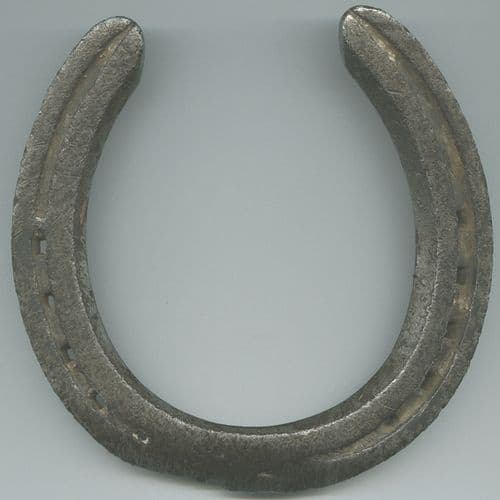
United Kingdom
An iron crescent hung above doorways to catch and hold good luck.
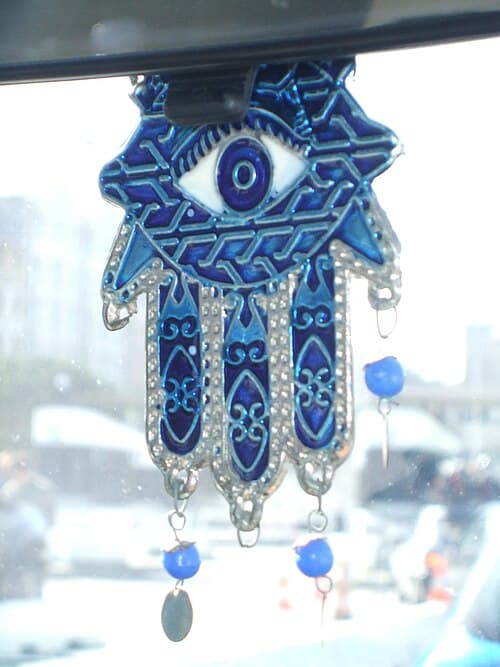
Middle East
An open palm amulet warding off the evil eye across Middle Eastern and North African cultures.
Middle East / North Africa
The sacred open palm named for the Prophet Muhammad's daughter, a cornerstone of Islamic protective symbolism.

Iran
The ancient sky-stone of the world's oldest cultures, worn as a charm of protection, communication, and the sacred turquoise bridge between earth and heaven.

United Kingdom
The most universally lucky number in Western culture, encoded in the cosmos itself.

Middle East
The crescent moon and star, a symbol of Islamic faith found on mosques, flags, and protective amulets across the Muslim world.

Azerbaijan
The pomegranate of the Caucasus — Azerbaijan's national symbol representing prosperity, fertility, and the beauty of life's abundance.

