

2
General
🍀
Four-Leaf Clover
Ireland
The rarest clover mutation, treasured as nature's own lucky charm.
4.9Learn more →

Category
Charms for overall good luck and positive fortune
Ireland
The rarest clover mutation, treasured as nature's own lucky charm.

United Kingdom
The carried token of the animal renowned across cultures for its fecundity and quick fortune.

United Kingdom
The spotted red beetle that brings good fortune to whoever it lands upon.

Ancient Near East
Across cultures and continents, the number seven is considered the luckiest single digit, woven into mythology, religion, science, and folklore.
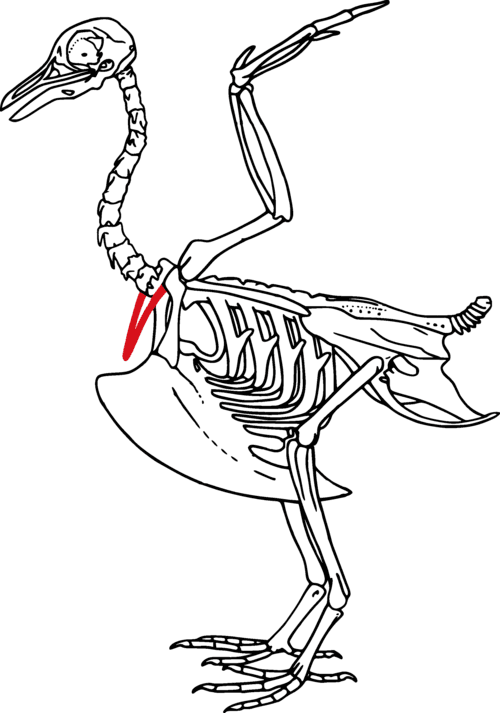
United Kingdom
The forked bird bone over which two people compete for their heart's desire.
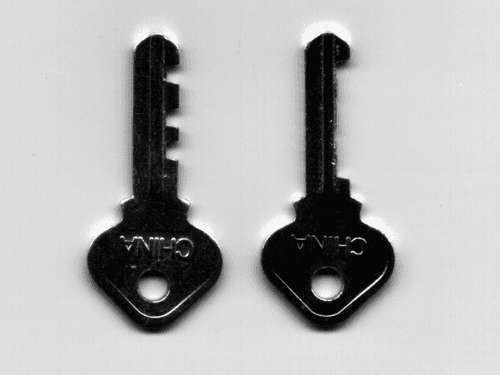
Germany
The symbol of access, knowledge, and new beginnings that unlocks the doors of fortune.

United Kingdom
The pair of spotted cubes that embody chance itself, transformed into a personal lucky talisman.
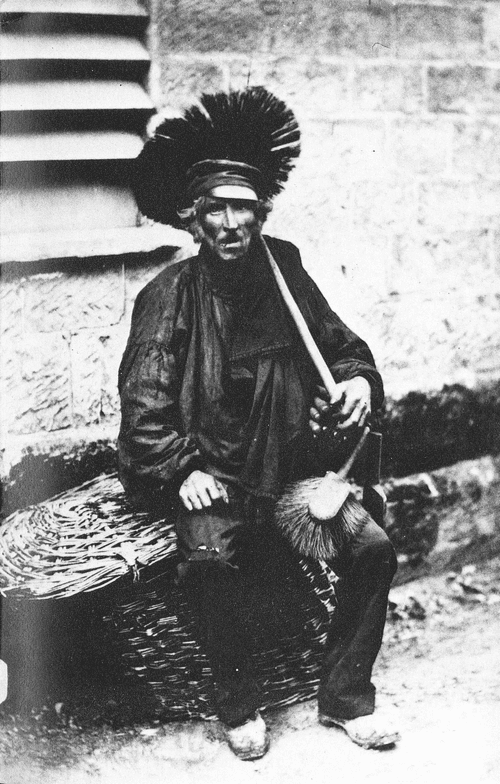
United Kingdom
The soot-covered bringer of luck whose handshake at a wedding guarantees happiness.

India
A string of 108 prayer beads used for mantra repetition, mala beads align the practitioner's energy with divine intention through meditative counting.

India
The peacock feather with its all-seeing eye is associated with Lord Krishna, the goddess Saraswati, and transformative divine beauty.

Jamaica
Jamaica's national bird — the streamertail hummingbird — a symbol of joy, agility, and the vibrant natural spirit of the Caribbean island.

Pan-Indigenous North America
A sacred symbol across countless Indigenous cultures representing freedom, spiritual connection, and messages from the divine.
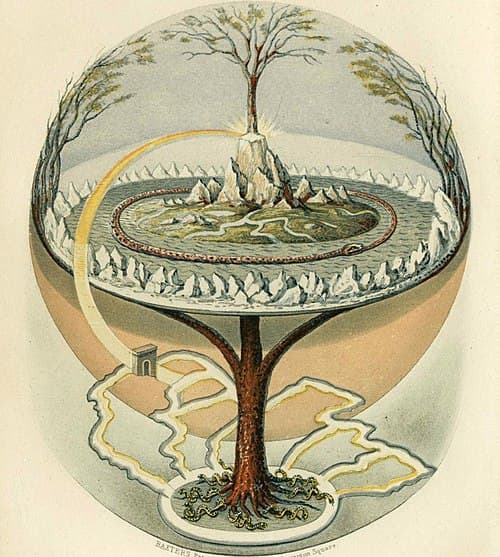
Ancient Mesopotamia / Multiple traditions
The Tree of Life is a universal symbol found in nearly every major world culture, representing the interconnection of all life, ancestral roots, and the continuous cycle of growth and renewal.
United States (adapted from Celtic/Irish tradition)
A rare clover mutation found in lawns and meadows, considered the ultimate symbol of natural good luck in American folk tradition.

India
Rising pure from muddy water, the lotus is the universal symbol of spiritual awakening and untouched beauty across Asia.
Egypt
The sacred flower of the Nile, a universal symbol of creation, rebirth, and the emergence of beauty from darkness.
United Kingdom
The most universally lucky number in Western culture, encoded in the cosmos itself.

Japan
A miniaturized version of the Maneki-neko's famous beckoning gesture, the lucky cat paw charm captures the essence of the invitation in a small, portable talisman.

Germany / Appalachian USA
The cat's eye marble — a glass sphere with a spiral or ribbon of color at its center — is a beloved childhood lucky charm that also carries adult associations with foresight, protection, and the all-seeing eye.
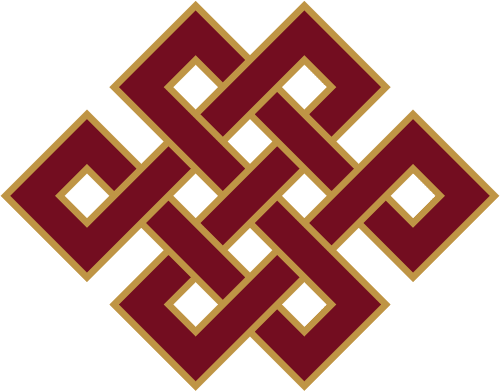
Ancient India / Tibet
The Endless Knot (Shrivatsa) is one of the Eight Auspicious Symbols of Buddhism, representing the interconnectedness of all phenomena, infinite compassion, and the timeless wisdom of the Buddha.

India
The eight-spoked wheel represents the Buddha's Noble Eightfold Path and the turning of cosmic law, one of the most universal Buddhist symbols.
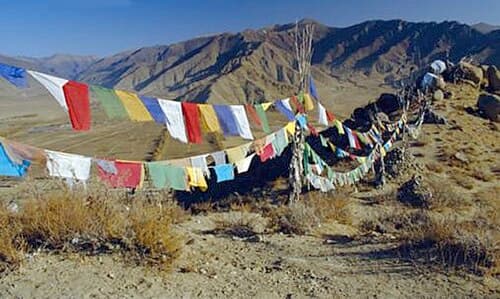
Nepal
Colorful rectangular flags inscribed with mantras and prayers send blessings to all beings as the wind carries their words across the world.

Nepal
A spinning cylinder filled with mantras generates merit and blessings with each rotation, making every turn a complete prayer.

India
A leaf from the sacred Bodhi tree, site of the Buddha's enlightenment, is a tangible connection to the moment of history's most celebrated awakening.

India
The pot filled with sacred water and crowned with a coconut and mango leaves represents the universe and invites the gods to reside within.
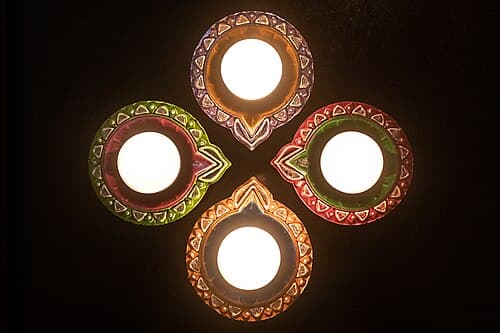
India
The clay oil lamp is the most fundamental symbol of the dispelling of darkness and the inviting of divine light into one's life.
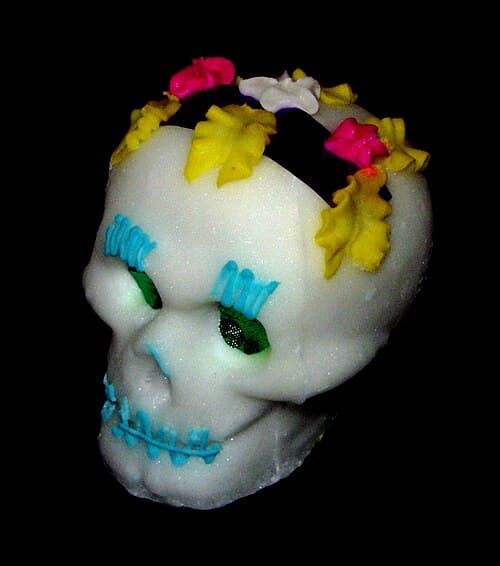
Mexico
A decorated sugar skull that honors the dead during Día de los Muertos, celebrating the joyful reunion between the living and their beloved ancestors.
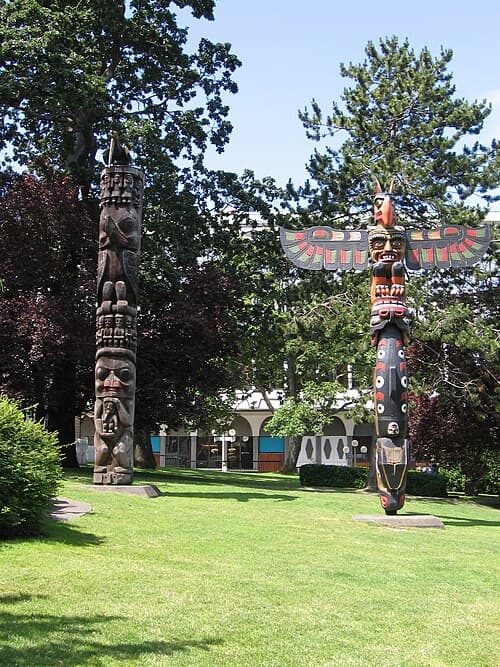
Pacific Northwest Coast, North America
A miniature representation of the carved cedar poles that record family histories, clan crests, and ancestral stories of Pacific Northwest peoples.

Arctic Canada and Alaska
A human-shaped stone cairn built across the Arctic as navigation markers, spiritual landmarks, and symbols of human presence in vast wilderness.

Canada
The iconic symbol of Canadian national identity representing resilience, generosity, and the breathtaking abundance of the natural world.
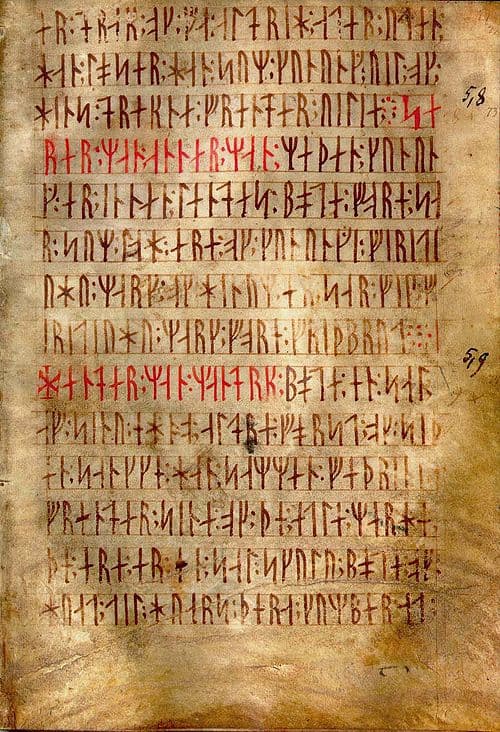
Norway
The ancient Norse alphabet stones used for divination and as powerful protective talismans.

Norway
The immense World Tree of Norse mythology connecting all realms of existence.

Ireland
The ancient triple spiral of the Celts, encoding the threefold nature of reality.

Ancient Egypt
The Ouroboros — a serpent or dragon consuming its own tail — is one of the oldest symbols in the world, representing the infinite cycle of creation and destruction, death and rebirth, and the eternal nature of existence.
Neolithic Europe / Multiple traditions
The spiral is one of humanity's oldest sacred symbols, found in Neolithic art worldwide, representing the cycles of life, evolution, growth, and the journey inward to the center of the self.

Ancient Crete / Greece
The labyrinth is an ancient walking meditation symbol found worldwide, representing the journey inward to the center of the self and the winding path of spiritual growth.

Italy
The singing insect that brings good fortune to households wise enough to welcome it.

New Zealand
The unfurling silver fern spiral of Maori art, worn as a charm of new beginnings, growth, and the continuous renewal of life.
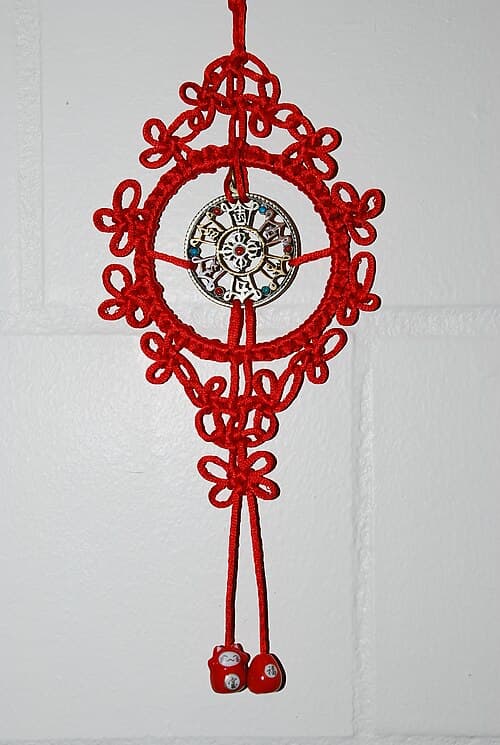
China
Chinese decorative knots are intricate single-cord creations representing unity, good fortune, and the endless continuity of blessings — each pattern carries its own specific meaning.

South Korea
The Korean Dokkaebi is a mischievous but fundamentally good-natured goblin who rewards honesty and punishes greed, serving as both a protective house spirit and a moral guardian.

South Korea
The Rose of Sharon, Korea's national flower, symbolizes the Korean people's resilience, eternal renewal, and the indomitable spirit that blooms continuously despite adversity.

Japan
Ema are small wooden votive plaques purchased at Japanese shrines, inscribed with personal wishes, and left hanging at the shrine for the gods to read and fulfill.

Japan
The Japanese folding fan is a symbol of prosperity and good beginnings — its shape, widening from a single point to a broad arc, physically embodies the expansion of fortune from humble origins.
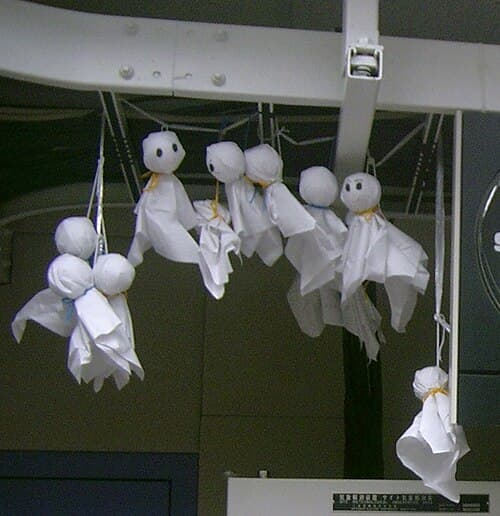
Japan
Teru Teru Bozu are small white cloth ghost-like dolls hung from windows by Japanese children to wish away rain and invite sunshine for the next day's important outdoor event.

Japan
Miniature torii gate charms carry the sacred threshold energy of Shinto shrine gates — the boundary between ordinary reality and the divine presence they mark.
China
The Mystic Knot (Pan Chang Knot) is feng shui's most powerful good fortune symbol — an endless interlaced pattern representing the infinite flow of luck and the interconnection of all blessings.
Mongolia
The Mongolian Eternal Knot (Ulzii) is one of the eight auspicious symbols of Tibetan Buddhism, representing the endless interdependence of all phenomena and the infinite compassion of the Buddha.
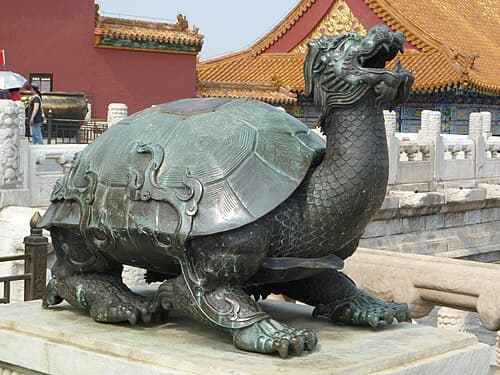
Vietnam
The mythical Long Quy combines the turtle's longevity with the dragon's power, symbolizing wisdom, strength, and enduring fortune.
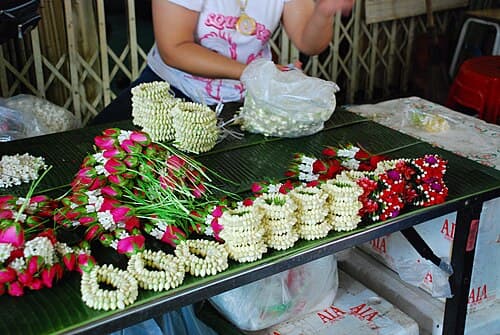
Thailand
Elaborately knotted flower garlands offered at Thai shrines and given as gifts of blessing and respect.

Thailand
The four-faced Brahma deity is Thailand's most widely venerated Hindu god, granting wishes to all who pray with sincere hearts.

Indonesia
Sacred textile patterns encoded with Javanese cosmology, batik is both high art and living magical script worn on the body.

Malaysia
The Wau is a traditional Malaysian giant kite whose soaring flight represents aspirations, spirituality, and the connection between earth and heaven.
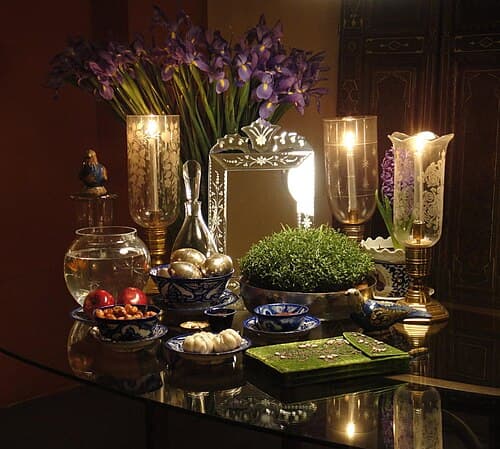
Iran
The seven-S Nowruz table — Iran's ancient New Year blessing ritual arranging seven symbolic items to invite spring's full abundance.

Turkey
The Sufi mystic in white who spins to merge with the divine — a symbol of spiritual elevation and love's transformative power.

Middle East
Thirty-three or ninety-nine beads used to count the ninety-nine names of Allah and cultivate mindful devotion.

Jordan
A miniature of Jordan's extraordinary Byzantine and Islamic mosaic tradition, carrying patterns of earth, life, and divine beauty.

Syria
The fragrant white flower of Damascus, symbol of Syria's ancient beauty and the resilient soul of its people.

Morocco
The eight-pointed star of Moroccan Islamic art, a geometric symbol of cosmic harmony and divine order.

Italy
The sacred Egyptian dung beetle that spread through the Mediterranean as a universal luck charm.

African American South
The African American folk magic charm bag — a personal power object containing curios, herbs, and concentrated intention.
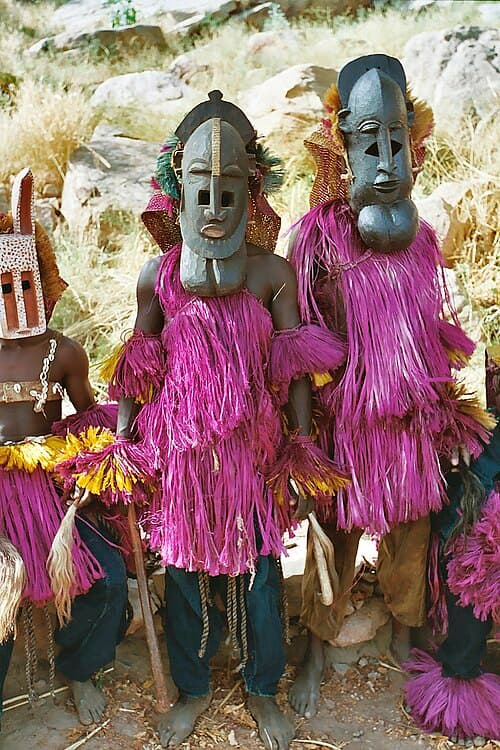
Mali
The cross-shaped Dogon mask used in Dama funeral ceremonies to guide the souls of the dead to their resting place.

Rwanda
Rwanda's ancient geometric art form made from cow dung — a unique and sophisticated visual tradition of extraordinary beauty.

Uganda
UNESCO-listed Ugandan bark cloth — an extraordinary material made from fig tree bark used for royal ceremonies and everyday life.

Tanzania
Bright, narrative East African art form celebrating animals and Tanzanian life — carrying joy and the power of beauty.

Botswana
The zebra — Botswana's national animal — representing balance, individuality within community, and the beauty of the African savanna.

South Africa
National flower of South Africa and symbol of resilience, diversity, and the beauty that grows from harsh conditions.
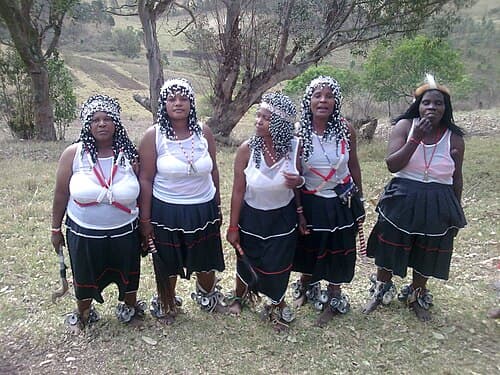
Southern Africa
The sacred divination set of the sangoma healer — bones, shells, and objects that reveal hidden truths.

Sierra Leone
Ancient carved stone figure of unknown origin found throughout Sierra Leone — used as rice fertility charms.

West Africa
The sacred West African drum whose voice calls community together, invites healing, and speaks to the spirits.
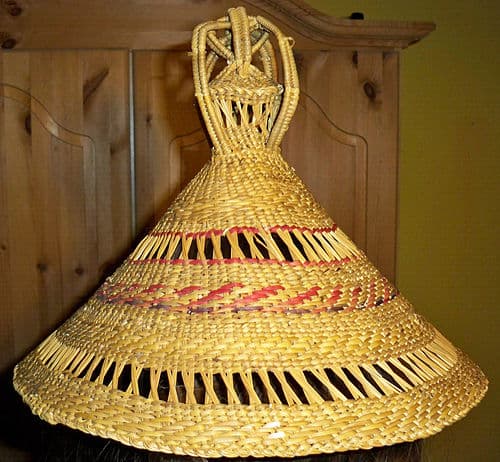
Lesotho
The iconic conical woven hat of Lesotho — national symbol of the mountain kingdom and its people.

Samoa
Sacred bark cloth of Samoa, woven with geometric power, carried as a charm of identity, community, and the enduring fabric of culture.
Tonga
Tonga's sacred bark cloth, bearing ancient geometric wisdom, carried as a charm of royal heritage, enduring tradition, and communal identity.
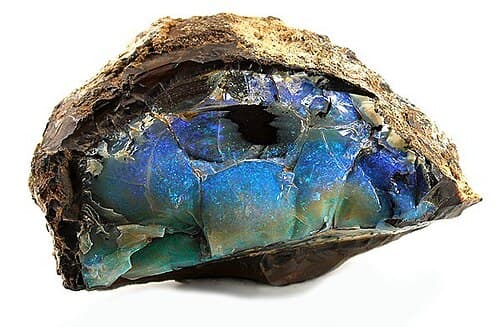
Australia
The rainbow-fire gemstone of the Australian outback, worn as a charm for creativity, spontaneity, and the full spectrum of possibility.

Australia
Australia's golden national flower, carried as a charm for joy, new beginnings, and the warmth of optimism in dark seasons.

Australia
Australia's iconic floral emblem, carried as a charm for resilience, unique identity, and the courage to stand tall.

Australia
The paradoxical mammal of the Eastern Australian streams, carried as a charm for embracing contradiction and defying conventional expectations.

Haida Nation, Pacific Northwest Coast
The trickster creator figure of Haida mythology whose cunning brought light, salmon, and all of civilization to the world.

Peru (Andean civilizations)
The stepped cross of the Andes representing the cosmic order of Andean cosmology — the three worlds of the Pachamama universe.

Brazil (Bahia state, Salvador)
A colorful ribbon from the Igreja do Senhor do Bonfim in Salvador, tied around the wrist with three knots while making wishes that will be granted when the ribbon wears through.

Mexico
The flower of the dead — cempasúchil — whose brilliant orange blooms guide departed souls home during Día de los Muertos.

Dominican Republic
A ceramic doll with no facial features representing the multiracial, multicultural identity of the Dominican people — where no one face defines the whole.

Puerto Rico (Ponce and Loíza)
The magnificent multi-horned papier-mâché mask of Puerto Rican Carnival tradition — a figure who chases away evil while embodying the island's joyful, syncretic spirit.

Trinidad and Tobago
The spectacular mas' costume and mask of Trinidad's Carnival — the greatest show on earth, where transformation is both art and liberation.

Guatemala and Mexico (Maya and other Mesoamerican peoples)
A small woven piece of the sacred textile tradition that encodes Maya cosmology, community identity, and ancestral knowledge in every thread.

Chile / Northern Africa
The rain stick is a ceremonial percussion instrument and lucky charm from indigenous traditions of South America and Africa, used to invoke rain, honor water, and invite the blessings of abundance and renewal.

Sweden
The hand-painted red wooden horse of Dalarna, Sweden's most beloved folk art symbol.

Austria
The rare Alpine flower that signals courage, purity, and devotion to those who seek it.

Switzerland
The resonant Alpine bell that calls home the herd and welcomes good fortune.

Netherlands
The klompen that kept Dutch feet dry for centuries and now serve as icons of good fortune.

France
The lily of the valley given on May Day as France's most beloved luck gift.

Portugal
The blue and white glazed tile that tells Portugal's story in ceramic fragments of beauty.

Portugal
The black rooster of Barcelos that rose from the dead to prove an innocent man's truth.

United Kingdom
The tiny seed of the mighty oak, carried for slow-growing but lasting luck.
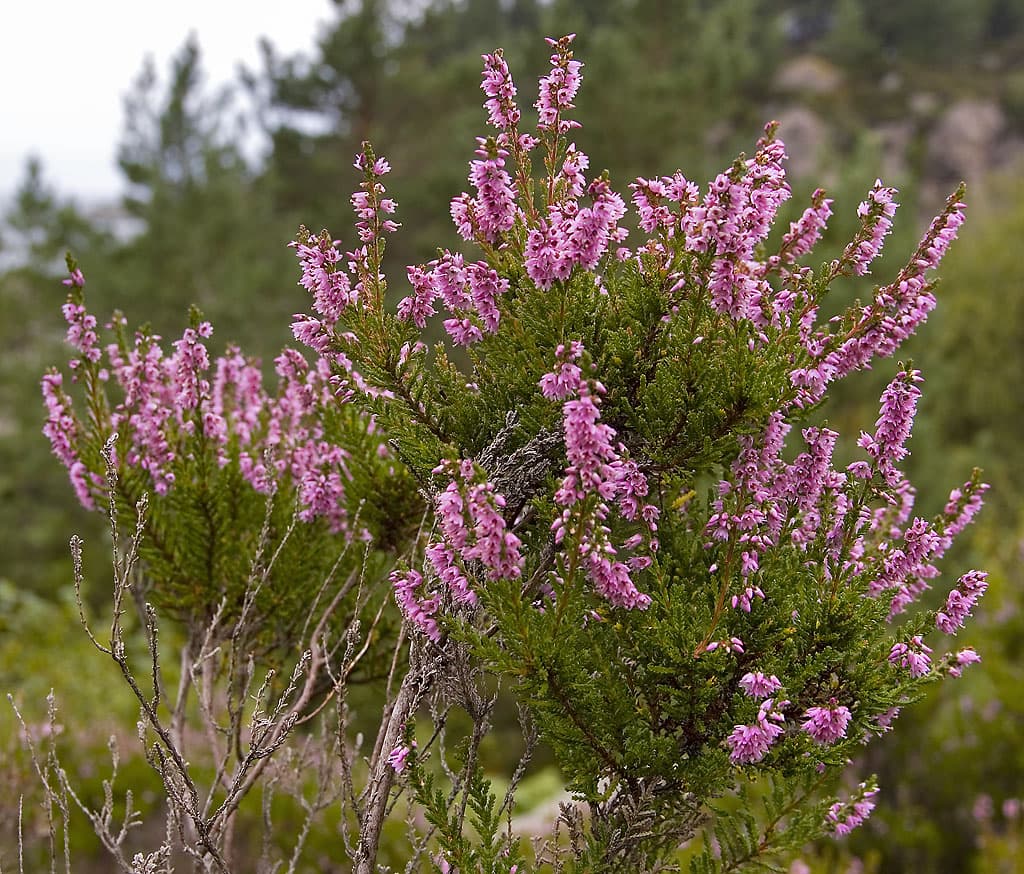
United Kingdom
Scotland's rarest bloom, whose white mutation brings extraordinary fortune to its finder.
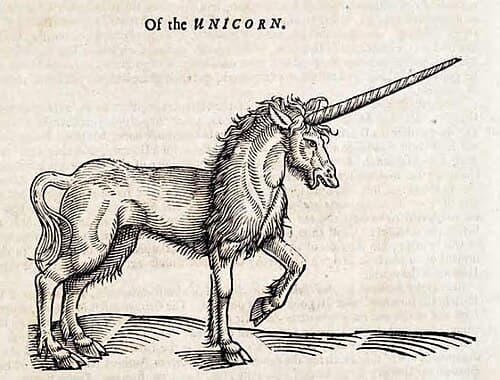
Ancient Persia / Medieval Europe
The unicorn — a horse with a single magical horn — has been a symbol of purity, grace, and miraculous luck across cultures for over three thousand years.

Russia
Russian nesting dolls symbolizing fertility, family, and infinite possibility within.

Russia
The ambiguous forest witch of Slavic lore whose wisdom and tests transform the worthy into heroes.

Ukraine
Ukraine's intricately wax-resist decorated Easter eggs — among the world's most complex folk art forms and most powerful blessing objects.

Slovakia
Slovakia's national tree — the lipa (linden) that shades village gatherings and represents Slovak identity, freedom, and the sweetness of home.

Poland
Intricate paper star ornaments from Poland's Kurpie forest region, hung at Christmas to bless the home with light.

Poland
Miniature charms inspired by Poland's famous blue-and-white stoneware, symbols of Polish craftsmanship and home blessing.

North Macedonia
North Macedonia's vibrant red poppy — a symbol of the fertile Vardar Valley, summer joy, and the resilience of beauty on difficult terrain.

Bosnia
The hand-hammered Bosnian copper — a Sarajevo craft tradition carrying centuries of Baščaršija market blessing energy.

Montenegro
Montenegro's ancient coastal olive trees — some over 2,000 years old — carrying Mediterranean peace, wisdom, and the blessing of deep time.

Serbia
The curled-toe traditional Serbian shoe — a symbol of cultural identity, grounded tradition, and the blessing of walking one's own path.

Kazakhstan
The circular skylight of the Kazakh yurt — a cosmic symbol connecting earth and sky that appears on Kazakhstan's national flag.

Spain
The four-headed Basque cross that spirals through centuries of Iberian sacred tradition.
Germany
The specific German chimney sweep figurine given at New Year for warmth and safety all year.
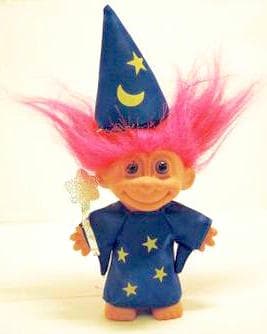
Denmark
The troll doll — a small figurine with wild colorful hair and a mischievous grin — originated as a Scandinavian lucky charm and became one of the world's most recognizable good luck mascots.
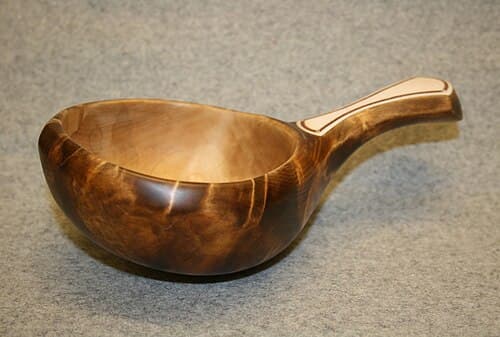
Finland
The hand-carved birch burl cup of Finnish tradition, gifted for luck and lasting friendship.
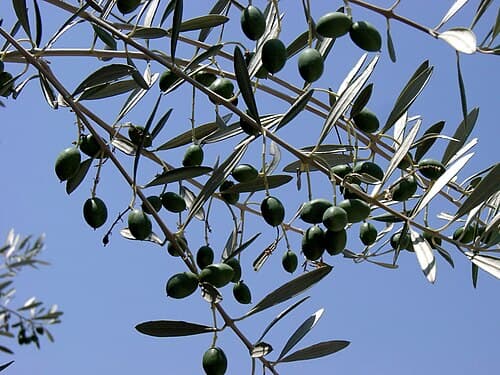
Greece
The sacred olive of Athena — symbol of peace, wisdom, abundance, and civilization's deepest roots.
Cyprus
The ancient olive of Aphrodite's island — Cyprus's sacred tree carrying 5,000 years of Mediterranean blessing from the birthplace of love.

Middle East / North Africa
A miniature of Islamic architecture's most stunning art form, carrying the protective power of geometric perfection.
Universal / All cultures
The circle is the most universal geometric symbol in human culture, representing wholeness, eternity, protection, and the unbroken cycle of all existence.

Ancient Mesopotamia
The five-pointed star is one of the world's oldest and most universally recognized symbols of luck, divine guidance, and celestial power.

Ancient Babylon / Global
Eclipse charms harness the intense transformative power of solar and lunar eclipses — astrological supernovas of change — to catalyze major life shifts and accelerate personal evolution.

Ancient Babylon / Greece
Zodiac pendants bearing the symbol of one's astrological sign have been worn since antiquity as personal power charms, aligning the wearer with the cosmic archetype of their birth sign.

Ancient Near East / Poland
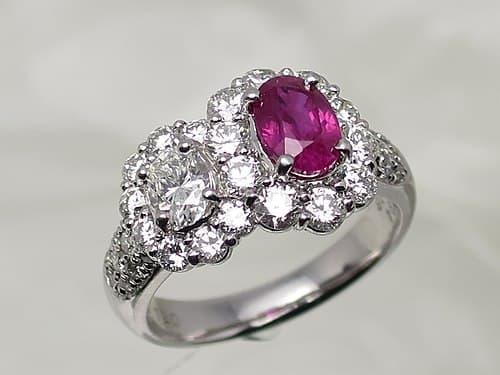
Birthstone charms align the wearer with the specific gemstone associated with their birth month, amplifying their natural strengths and providing personalized protection throughout the year.
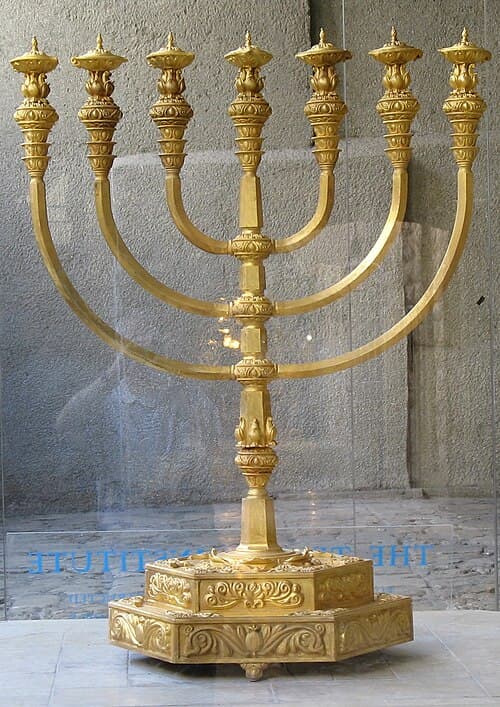
Israel
The seven-branched candelabrum, Judaism's oldest symbol of divine light and the endurance of faith against darkness.

Brazil
The Master Healer crystal, carried as a universal charm for amplification, clarity, and the programmable power to support any intention.
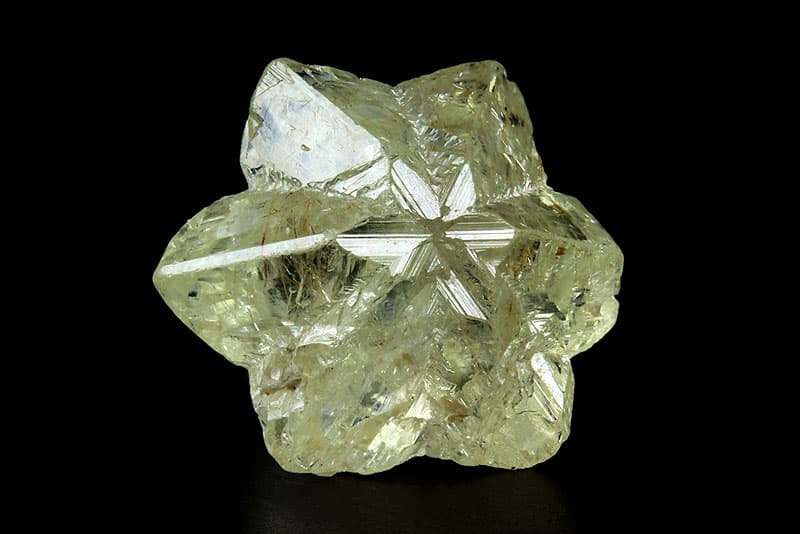
Russia
The magical colour-changing chrysoberyl of imperial Russia, worn as a charm of adaptability, balance between worlds, and the astonishing capacity to be more than one thing at once.
Australia
The rainbow-fire stone of magic and possibility, carried as a charm for amplifying imagination, embracing the full spectrum of emotion, and attracting the unexpected blessings of change.

Sri Lanka
The carved semicircular moonstone at temple entrances depicts the journey of the soul from worldly desire to liberation.
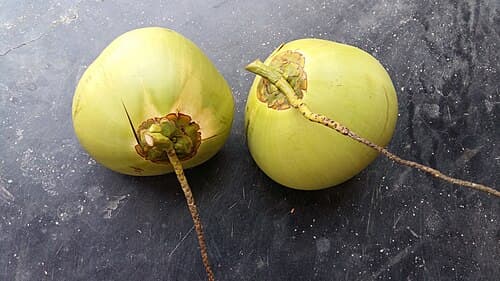
India
The coconut is the most auspicious offering in Hindu ritual, symbolizing the human ego dissolved in pure consciousness.

India
Strung across doorways during festivals and ceremonies, mango leaves welcome prosperity and protect against negative energy.

India
The sacred fig tree is where the Buddha attained enlightenment — its heart-shaped leaves are potent symbols of wisdom and divine dwelling.

United States
A decorated box used in American folk practice to hold written wishes and lucky objects — a manifestation tool combining the wish box tradition with intention-setting ritual.
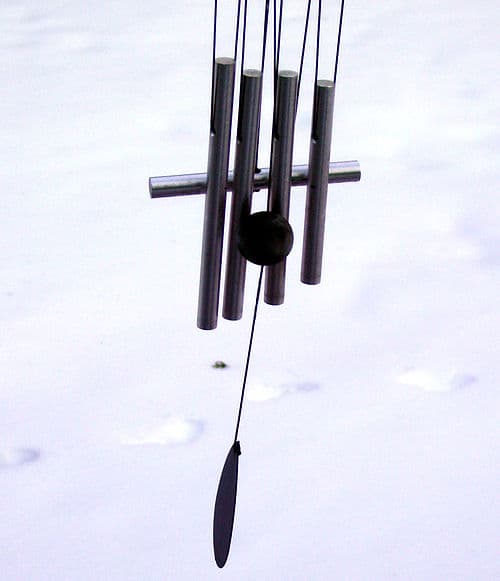
Ancient China / India
Wind chimes have been used for thousands of years in Asia and worldwide to disperse negative energy, attract good fortune, and fill spaces with the healing, harmonizing vibrations of sound.

United Kingdom
The tenacious digger's tooth, carried by gamblers and seekers of hidden treasures.

United Kingdom
The beloved little bird of British winter who brings good fortune wherever he appears.

Iran
The teardrop-shaped motif from ancient Persia that conquered the world's textile traditions and became a global symbol of flowing beauty.

India
One of the oldest symbols of good fortune in human history, the Hindu swastika represents the eternal cycle of prosperity and well-being.

