

32
Protection
✝️
Crucifix
Early Christianity (Rome)
The Crucifix — a cross bearing the corpus (body) of Christ — is the central symbol of Christianity and one of the most powerful protective charms in the Western world.
4.8Learn more →

Americas - Central
4 charms from this country
Panama's charm tradition reflects its position as the crossroads of the Americas — Indigenous Kuna, Afro-Caribbean, and Spanish traditions all contribute. The Kuna (Guna) people of the San Blas archipelago create molas — reverse-appliqué cloth panels — with intricate geometric patterns that incorporate protective cosmological symbols. Kuna medicine men (neles) are among the most sophisticated ritual specialists in the Americas.
Afro-Panamanian communities maintain elements of African protective traditions brought by enslaved workers, including specific plant-based charms and rituals for protection. Catholic practice is dominant in the cities: milagros, rosary beads, and saint medals are standard protective items. The compass rose appears on Panamanian navigational objects given the country's key role in global maritime trade.
Early Christianity (Rome)
The Crucifix — a cross bearing the corpus (body) of Christ — is the central symbol of Christianity and one of the most powerful protective charms in the Western world.
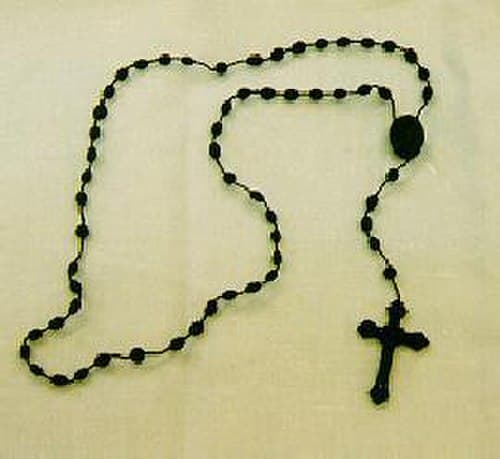
Medieval Europe
Rosary beads are the most recognizable Catholic prayer tool in the world, used by hundreds of millions for meditative prayer, protection, and the invocation of divine grace.

United Kingdom
The symbol of steadfast hope that holds a life firm against the strongest currents.

Portugal
The navigator's flower that ensures the bearer always finds their way to true north.

