

32
Protection
✝️
Crucifix
Early Christianity (Rome)
The Crucifix — a cross bearing the corpus (body) of Christ — is the central symbol of Christianity and one of the most powerful protective charms in the Western world.
4.8Learn more →

Americas - Central
4 charms from this country
Nicaragua's charm tradition blends Miskito, Nahuatl, and Chorotega Indigenous heritage with Spanish Catholic practice. The Purísima — the spectacular festival of the Immaculate Conception in December — involves the entire nation singing to the Virgin Mary and being showered with gifts, making it one of Central America's most distinctive and joyful luck-blessing ceremonies. The rosary and specific saint images are the primary protective objects.
The magic protection of la Güegüence — Nicaragua's UNESCO-recognized folk drama figure representing the cunning mestizo trickster — is invoked metaphorically in folk belief. Specific herbs, copal incense, and folk healers (curanderos) provide the non-Catholic protective tradition. The güipil and specific textile patterns from Masaya and other regions carry protective symbolic significance.
Early Christianity (Rome)
The Crucifix — a cross bearing the corpus (body) of Christ — is the central symbol of Christianity and one of the most powerful protective charms in the Western world.
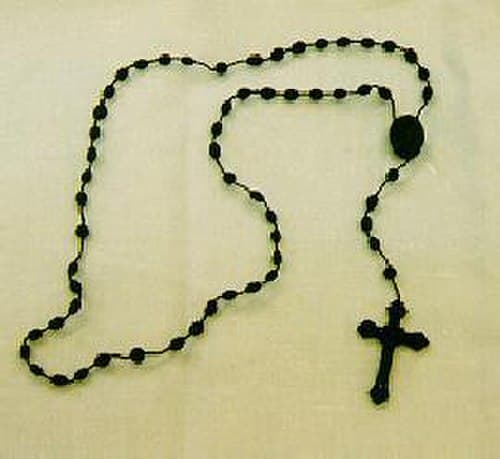
Medieval Europe
Rosary beads are the most recognizable Catholic prayer tool in the world, used by hundreds of millions for meditative prayer, protection, and the invocation of divine grace.

France
The patron saint of travellers whose medal has accompanied millions on journeys.

Mexico and Mesoamerica
The sacred tree resin burned in Mesoamerican ceremonies for thousands of years, carrying prayers to the divine and purifying all it touches.

