

26
Love
🌸
Rose Quartz
Brazil
The stone of unconditional love, carried as the most universal charm for opening the heart to romantic love, self-love, and compassionate healing.
4.9Learn more →

Lucky charms accumulate energy over time — both from their environment and from you. Here is everything you need to know about cleansing, charging, and maintaining your charms so they remain vibrant and effective.
A lucky charm that is never tended grows stagnant. This principle — that sacred and energetic objects require ongoing care to remain effective — is consistent across virtually every charm tradition in the world. Japanese shrine omamori are renewed annually; Egyptian amulets were ritually recharged by temple priests; Hoodoo mojo bags are "fed" with specific herbs or oils to keep their power fresh.
Whatever your relationship with the metaphysical claims underlying these practices, the underlying practical wisdom is sound: an object you care for mindfully will serve as a better psychological anchor for your intentions than one you drop in a drawer and forget.
This guide covers cleansing and charging methods for every major category of lucky charm material.
In energetic terms, lucky charms are said to absorb and accumulate energy from their environment and from the people they interact with. Negative experiences, stressful events, other people's emotional states, and simple everyday energetic residue are all believed to accumulate in charm materials over time, reducing their effectiveness.
In purely psychological terms, a charm that has been consciously cleansed and recharged feels fresh — the cleansing ritual creates a psychological reset that restores the clarity and intentionality of the original activation. This reset is genuinely valuable regardless of whether you believe in literal energy exchange.
Signs your charm may need cleansing:
Water cleansing: The simplest and most widely used method. Hold your crystal under cool running water (natural spring water is ideal, tap water is fine) for 30–60 seconds while visualising any accumulated energy being carried away by the flow. After cleansing, gently pat dry.
Important caution: Some crystals should NOT be cleansed with water, as they will dissolve, rust, or be damaged. Avoid water cleansing for: selenite, malachite, pyrite, halite, celestite, angelite, azurite, and any stone that is soft (below 5 on the Mohs hardness scale). Use alternative methods below for these stones.
Salt cleansing: Bury your crystal in a bowl of dry sea salt or Himalayan salt for several hours or overnight. The salt draws out accumulated energy through a process similar to osmosis. Do not use this method with porous stones or those with metallic inclusions, as salt can corrode them.
Sound cleansing: Place your crystals near a singing bowl, tuning fork, or bell and allow the sound vibrations to penetrate and clear them. This method is safe for all stones, regardless of water or salt sensitivity. Strike the singing bowl repeatedly over 5–10 minutes while setting your intention for cleansing.
Smoke cleansing: Pass your crystal through the smoke of burning sage, palo santo, cedar, or sweetgrass. The smoke is said to carry away stagnant energy. Move the crystal slowly through the smoke for 30–60 seconds. This method is safe for all materials.
Moonlight cleansing: Place crystals outside or on a windowsill on the night of the full moon (or any clear night). The moon's energy is said to cleanse and simultaneously recharge. Leave overnight. This is one of the safest and most beloved methods — beautiful to observe as well as effective.
Physical cleaning: Wipe with a clean, dry cloth to remove dust and physical residue. For ceramic and glass figurines, a barely damp cloth followed by thorough drying is fine. For metal figurines, use a dry cloth; avoid moisture near unsealed metals.
Smoke cleansing: Safe for all solid figurine materials. Wave the figurine through sage or palo santo smoke, paying particular attention to crevices and joints where energy may accumulate.
Sunlight cleansing: Place figurines in direct morning sunlight for several hours. Sunlight is a powerful cleanser and recharger. Note that prolonged direct sunlight can fade painted surfaces and certain materials (particularly rose quartz, amethyst, and other light-sensitive crystals).
Salt bowl: Place the figurine in a bowl of dry salt for several hours. Brush off residual salt thoroughly afterward.
Living plants have their own energetic renewal system — they breathe, they grow, they respond to light. Your primary care is physical:
Water quality: Lucky bamboo is particularly sensitive to fluoride and chlorine in tap water. Use filtered water or allow tap water to sit uncovered for 24 hours before use, allowing chlorine to dissipate.
Light: Indirect bright light supports healthy growth. Avoid direct summer sun and deep shade.
Container cleanliness: Change the water in lucky bamboo's container every two weeks and clean the container monthly to prevent algae build-up.
Energetic renewal: Speak to your plant. This sounds whimsical, but plants respond to carbon dioxide, air movement, and human attention — and the practice of speaking your intentions aloud to a living charm is a form of daily intention renewal that keeps your relationship with the charm active.
Replacing declined plants: A yellowing or dying lucky bamboo charm should be replaced promptly. In feng shui, a declining plant represents declining life force in the area it occupies. Replace it with gratitude and a fresh intention.
Smoke cleansing: The safest primary method for all textile and organic charms. Wave through sage or cedar smoke for 1–2 minutes, holding the intention of clearing as you do.
Sunlight: Brief exposure to direct morning sunlight (1–2 hours) is beneficial. Avoid extended exposure, which can fade colours and weaken fibres.
Avoid water: Most woven, beaded, and organic charms cannot tolerate water without deterioration. Stick to dry methods.
Replacing: Traditional practices specify that certain textile charms (dreamcatchers, mojo bags) should be replaced or rebuilt periodically — typically annually or when they have fulfilled a specific protective purpose. The old charm is respectfully burned or buried.
Cleansing removes; charging restores and amplifies. After cleansing, your charm benefits from one of these charging methods:
The full moon is the most powerful charging opportunity in the lunar cycle. Place cleansed charms on a windowsill, balcony, or outdoors overnight during or near the full moon. The combined cleansing and charging power of the full moon makes this the single most effective regular maintenance practice for crystal and figurine charms.
The new moon is associated with new beginnings — an ideal time to charge charms you are beginning to work with for the first time or charms associated with new intentions.
Morning sunlight (before 10 AM, when the light is less harsh) charges most charms effectively. Note the exceptions above regarding colour-sensitive crystals.
Burying a charm in clean garden soil for 24–48 hours is believed to restore its natural earth energy. This is particularly recommended for stones and crystals that have become extremely depleted. Wrap the charm in a natural cloth (cotton or linen) before burying, and mark the spot clearly.
Selenite is unique among minerals in that it is said to both cleanse and charge other crystals placed near or on it, without requiring cleansing itself. A selenite slab or charging plate can be used as a permanent charging station — simply place your other crystals on it between uses.
Hold the cleansed charm in both hands. Breathe steadily. Visualise a warm, golden-white light entering through the crown of your head, flowing down through your arms and into the charm, filling it with the specific quality you desire from it (wealth, love, protection, health). State your intention aloud. Thank the charm. This method is available anywhere, requires no external materials, and is as effective as any of the above in terms of psychological renewal.
Beyond regular cleansing and charging, align your charm care practice with the rhythms of the year:
New Year: A thorough cleansing of all charms marks the beginning of a new cycle and creates a fresh energetic slate.
Spring Equinox: Representing new beginnings and growth, ideal for intention renewal and introducing new charms.
Summer Solstice: Maximum sun energy — ideal for sunlight charging of all charms that tolerate it.
Autumn Equinox: A time of completion and harvest — assess which charms have fulfilled their purpose and can be retired with gratitude.
Winter Solstice: The turning of the year — deepest darkness before return of light — a powerful time for protection charm renewal and working with charms associated with inner strength and resilience.
The way you care for your lucky charms tells you something about how you care for your intentions. A charm that is cleaned, charged, and thoughtfully maintained is an intention that is alive in your life. A charm that is dusty and forgotten is an intention that has been set aside.
The most powerful thing about a lucky charm care practice is not that it charges the crystal or renews the mojo bag — it is that it ensures you engage, regularly and mindfully, with the specific hopes and goals you have committed to. In that engagement, regularly renewed, lies the deepest magic of any lucky charm.
Brazil
The stone of unconditional love, carried as the most universal charm for opening the heart to romantic love, self-love, and compassionate healing.

Brazil
The golden abundance crystal, known as the Merchant's Stone, carried to attract wealth, success, and the warm energy of solar prosperity.
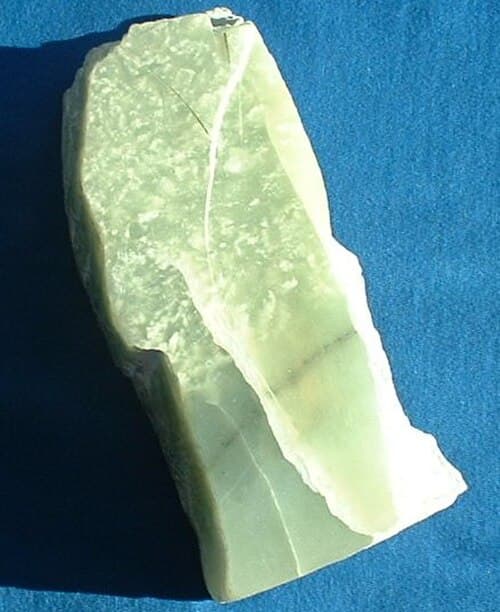
China
Revered for over 7,000 years, jade is the stone of heaven in Chinese culture, believed to protect health, ward off evil, and connect the wearer to divine virtue.

China
Lucky Bamboo is a feng shui staple believed to bring good fortune, prosperity, and positive energy when placed in the home or office.

Ojibwe Nation, North America
A woven hoop hung above the bed to filter nightmares and allow only good dreams to pass through.

Middle East
An open palm amulet warding off the evil eye across Middle Eastern and North African cultures.

India
The primordial sound of the universe, Om is the most sacred symbol in Hinduism, Buddhism, and Jainism.
From the ladybug of European gardens to the dragon of Chinese mythology and the sacred elephant of Hindu tradition, animals have served as symbols of luck across every culture on earth. This comprehensive guide explores the most revered animal charms and the fascinating stories behind them.
Lucky charms should not work — but rigorous scientific research shows they do. From golf putts to memory tests to financial risk-taking, belief in luck produces measurable, replicable improvements in performance. Here is the science behind why.
With thousands of lucky charms across dozens of traditions, choosing your first one can feel overwhelming. This comprehensive guide walks you through intention-setting, cultural resonance, material selection, and activation — everything you need to find the charm that is right for you.

