

32
Protection
✝️
Crucifix
Early Christianity (Rome)
The Crucifix — a cross bearing the corpus (body) of Christ — is the central symbol of Christianity and one of the most powerful protective charms in the Western world.
4.8Learn more →

Americas - Central
6 charms from this country
Honduras's charm tradition blends Lenca and Maya Indigenous heritage with Spanish Catholicism. Milagros (votive offerings) are pinned to saints in Catholic churches as petitions and thank-offerings. Rosary beads and images of the Virgin Mary and specific saints are the primary protective objects of daily life. The ojo de dios (God's eye) is made by Lenca craftspeople for protection.
Honduran folk belief includes the duende (a mischievous dwarf spirit) and specific plant-based protective practices. The copal resin burned as incense in ceremonies derives from ancient Maya ritual practice that continues in modified form in both Catholic and traditional ceremonies. St. Christopher and guardian angel medals are standard protective items.
Early Christianity (Rome)
The Crucifix — a cross bearing the corpus (body) of Christ — is the central symbol of Christianity and one of the most powerful protective charms in the Western world.
Medieval Europe
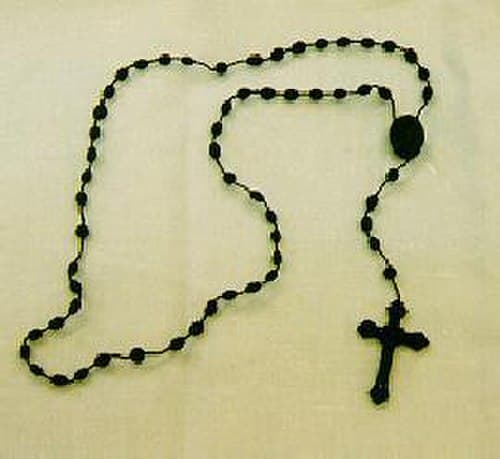
Rosary beads are the most recognizable Catholic prayer tool in the world, used by hundreds of millions for meditative prayer, protection, and the invocation of divine grace.

France
The patron saint of travellers whose medal has accompanied millions on journeys.

Mexico
The most venerated Catholic image in the Americas — the dark-skinned Virgin who appeared to Juan Diego in 1531, patroness of Mexico and all the Americas.

Mexico and Mesoamerica
The sacred tree resin burned in Mesoamerican ceremonies for thousands of years, carrying prayers to the divine and purifying all it touches.

Huichol people, Mexico
A cross-shaped weaving of yarn on two sticks, representing the protective eye of the divine watching over and guarding the home.

