

2
General
🍀
Four-Leaf Clover
Ireland
The rarest clover mutation, treasured as nature's own lucky charm.
4.9Learn more →

Europe - Northern
10 charms from this country
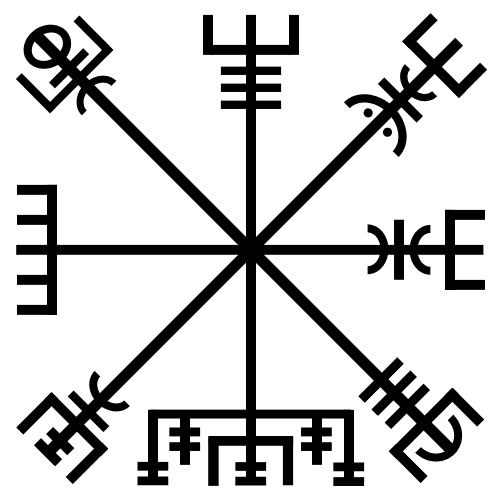
Iceland has the most intact Norse magical tradition in the world, preserved through medieval grimoires (galdrabók) that contain the stave symbols still used and tattooed today. The Vegvisir is Iceland's most famous magical stave — a runic compass that ensures the bearer never loses their way, famously tattooed on Björk. The Helm of Awe (Ægishjálmr) was historically painted on foreheads before battle for invincibility. Both are now popular as jewelry, tattoos, and art prints.
Icelanders continue to take the existence of the huldufólk (hidden folk — elves) more seriously than most nations: surveys suggest a majority of Icelanders refuse to definitively deny their existence, and roads have been rerouted to avoid elf stones. The northern lights (aurora borealis) are considered auspicious — particularly for children conceived under them. The horse is a sacred animal in Icelandic culture.
Ireland
The rarest clover mutation, treasured as nature's own lucky charm.
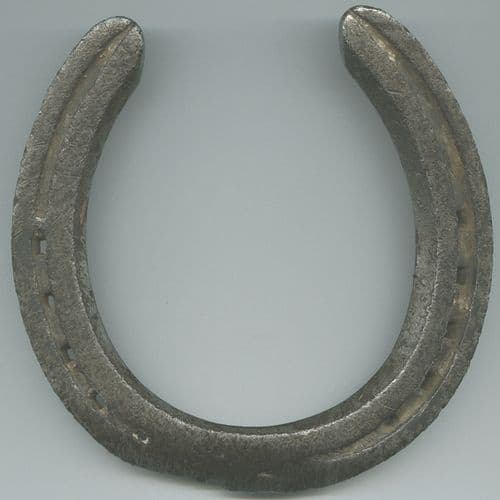
United Kingdom
An iron crescent hung above doorways to catch and hold good luck.
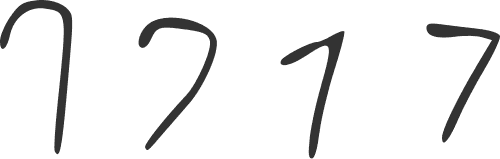
United Kingdom
The most universally lucky number in Western culture, encoded in the cosmos itself.
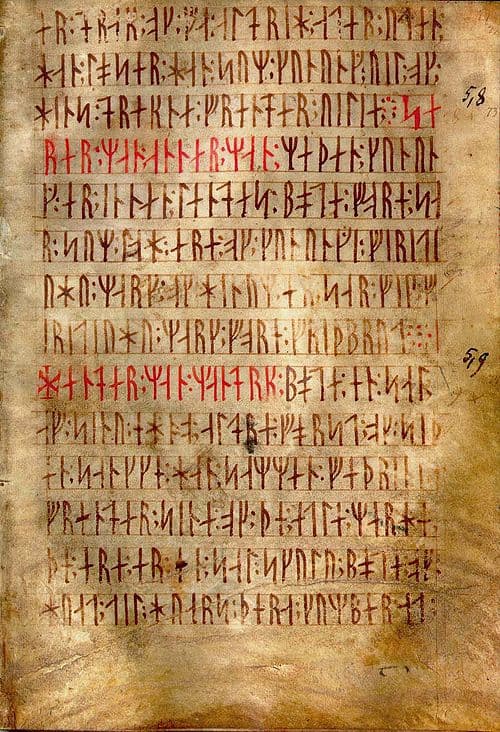
Norway
The ancient Norse alphabet stones used for divination and as powerful protective talismans.

Norway
The mighty hammer of the thunder god, worn as protection across the Viking world.
Iceland
The Norse symbol of invincibility that Viking warriors wore before battle.
Iceland
The Norse wayfinder compass that guides its bearer through storms to safe harbour.

Norway
The immense World Tree of Norse mythology connecting all realms of existence.

United Kingdom
The tiny seed of the mighty oak, carried for slow-growing but lasting luck.

United Kingdom
The symbol of steadfast hope that holds a life firm against the strongest currents.

