

2
General
🍀
Four-Leaf Clover
Ireland
The rarest clover mutation, treasured as nature's own lucky charm.
4.9Learn more →

Americas - Caribbean
6 charms from this country
Jamaica's charm tradition is shaped by its Afro-Caribbean heritage, Rastafari spiritual culture, and overlapping Christian denominations. Obeah — the system of West African-derived folk magic brought to Jamaica by enslaved people — involves specific objects, herbs, and rituals for protection, luck, and harm. While obeah is technically illegal in Jamaica, it remains a living folk practice. Specific roots, powders, and objects prepared by obeah practitioners provide targeted luck and protection.
Rastafari culture, while not primarily concerned with physical amulets, has specific symbolic objects: the colors red-gold-green and black, the lion of Judah (representing Haile Selassie), and specific herbs (particularly cannabis used sacramentally) carry spiritual protective meaning. The duppy (Jamaican ghost) must be placated or avoided, and specific folk practices protect against harm from the restless dead.
Ireland
The rarest clover mutation, treasured as nature's own lucky charm.
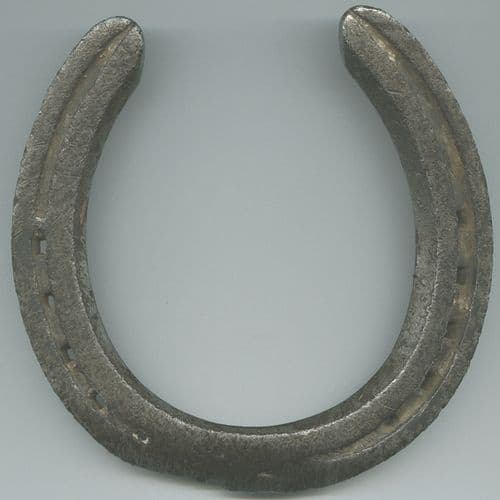
United Kingdom
An iron crescent hung above doorways to catch and hold good luck.

Early Christianity (Rome)
The Crucifix — a cross bearing the corpus (body) of Christ — is the central symbol of Christianity and one of the most powerful protective charms in the Western world.
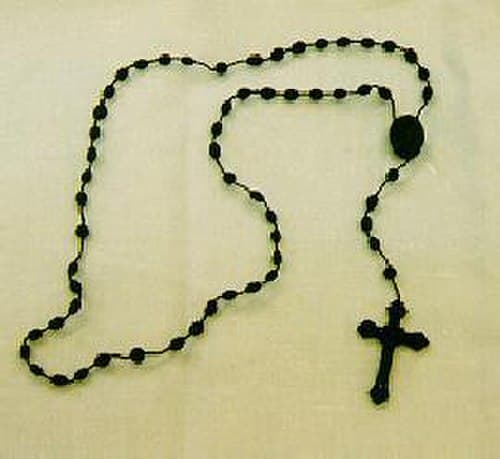
Medieval Europe
Rosary beads are the most recognizable Catholic prayer tool in the world, used by hundreds of millions for meditative prayer, protection, and the invocation of divine grace.

Jamaica
Jamaica's national bird — the streamertail hummingbird — a symbol of joy, agility, and the vibrant natural spirit of the Caribbean island.

West Africa
Ancient African currency and fertility symbol used across the continent for centuries.

