
5
Protection
🖐️
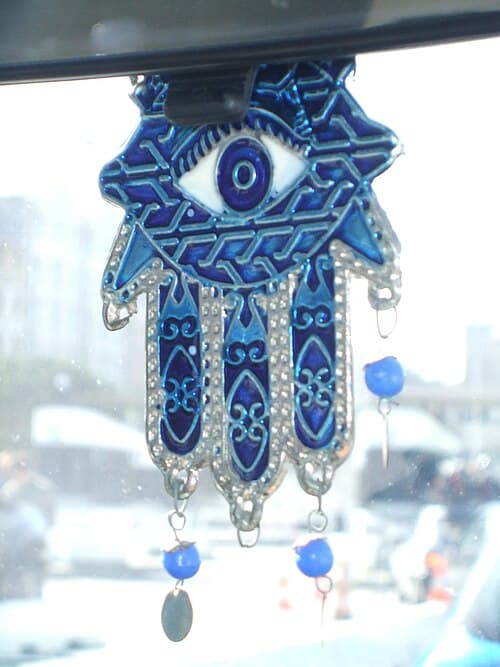
Hamsa Hand
Middle East
An open palm amulet warding off the evil eye across Middle Eastern and North African cultures.
4.9Learn more →

North Africa
7 charms from this country
Libya's charm traditions are rooted in Sunni Islamic practice and Berber folk heritage. The hand of Fatima (khamsa) is the predominant protective amulet, found on doors, vehicles, and jewelry throughout the country. The evil eye is guarded against with blue beads, Quranic verses, and smoke from burned herbs including rue.
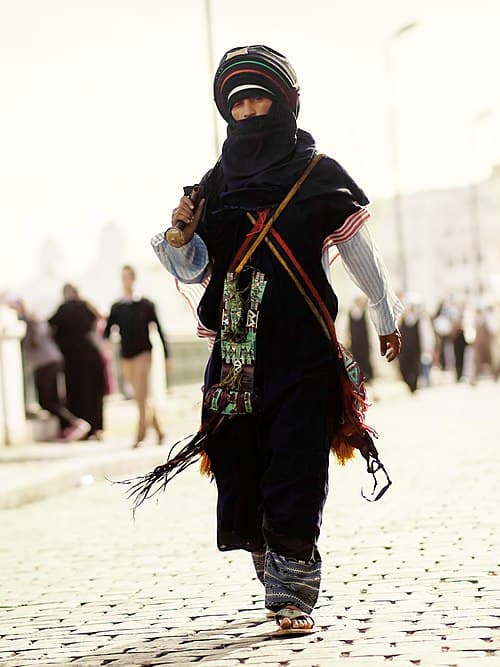
Libya's ancient rock art in the Fezzan region includes images of animals and humans that anthropologists believe served protective and invocation purposes. The Touareg people of the south carry on Berber traditions of silver amulet jewelry, including the iconic Touareg cross pendant (teneghelt) whose form varies by region and functions as a protective identity marker.
Middle East
An open palm amulet warding off the evil eye across Middle Eastern and North African cultures.
Middle East / North Africa
The sacred open palm named for the Prophet Muhammad's daughter, a cornerstone of Islamic protective symbolism.
Middle East
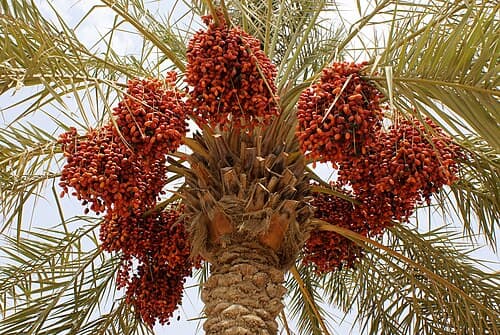
The tree of life of the desert, symbol of abundance in arid lands and the most generous of all Arabic trees.

Middle East
The crescent moon and star, a symbol of Islamic faith found on mosques, flags, and protective amulets across the Muslim world.
Morocco / Algeria / Tunisia
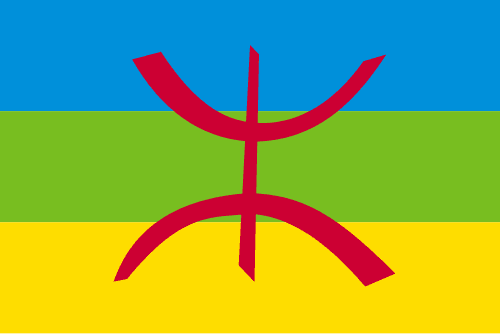
Ancient Amazigh geometric cross amulets carried for protection and tribal identity across North Africa's indigenous people.
Libya
A Libyan crescent and star amulet honoring the country's Islamic heritage and the North African moon symbolism tradition.
Algeria / Mali / Niger
A sacred Saharan cross amulet, each regional variant representing a different oasis city and offering directional protection to desert travelers.

