

32
Protection
✝️
Crucifix
Early Christianity (Rome)
The Crucifix — a cross bearing the corpus (body) of Christ — is the central symbol of Christianity and one of the most powerful protective charms in the Western world.
4.8Learn more →

Americas - South
5 charms from this country
Ecuador's charm tradition is deeply shaped by its Kichwa, Shuar, and other Indigenous peoples alongside Spanish Catholic practice. The curandero (folk healer) tradition is exceptionally strong — a limpia (spiritual cleansing) using eggs, guinea pigs, herbs, and smoke is a standard treatment for mal de ojo and susto (fright-sickness) throughout Andean Ecuador. The Otavalo weavers of Imbabura incorporate protective cosmological motifs into their famous textiles.
The evil eye is universally feared: red coral beads and jet (azabache) are standard infant protection. The chakana appears in Ecuadorian folk art as an Andean protective symbol. Specific mountains — particularly Chimborazo and Cotapaxi — are treated as protective deities (apus) in Kichwa tradition, and offerings are made at their bases.
Early Christianity (Rome)
The Crucifix — a cross bearing the corpus (body) of Christ — is the central symbol of Christianity and one of the most powerful protective charms in the Western world.
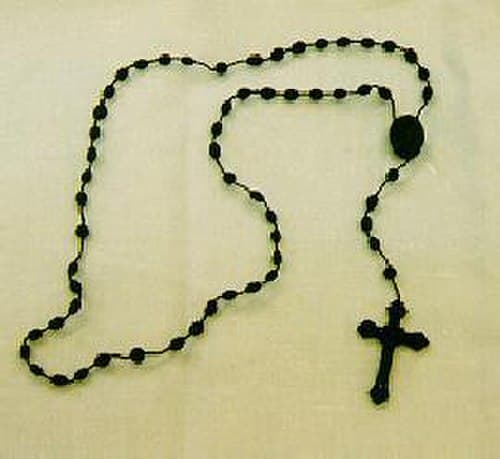
Medieval Europe
Rosary beads are the most recognizable Catholic prayer tool in the world, used by hundreds of millions for meditative prayer, protection, and the invocation of divine grace.

Peru (Andean civilizations)
The stepped cross of the Andes representing the cosmic order of Andean cosmology — the three worlds of the Pachamama universe.

Peru, Bolivia (Inca civilization)
A miniature llama representing the sacred Andean animal that built an empire — carrier of burdens, provider of wool and meat, and beloved companion of Andean peoples.
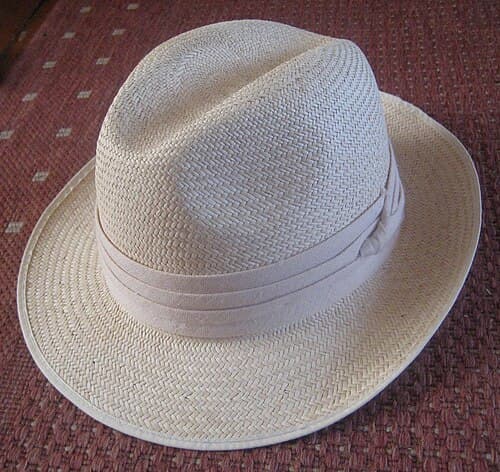
Ecuador (Montecristi and Cuenca)
The world's finest straw hat — technically Ecuadorian, famously misnamed — a symbol of artisan excellence, trade's global reach, and working with grace under tropical sun.

