

22
Success
🐉
Dragon
China
The Chinese dragon is the supreme symbol of imperial power, auspicious fortune, and the dynamic yang energy that drives all achievement and transformation.
4.8Learn more →

East Asia
5 charms from this country
Mongolia's spiritual life is shaped by Tengrism — the ancient shamanic tradition venerating the Eternal Blue Sky — and later by Tibetan Buddhism, which arrived in the sixteenth century and became the dominant faith. The horse is the central lucky animal of Mongolian culture: the wind horse (Lungta) appears on prayer flags strung across mountains and passes, believed to carry prayers to the heavens and bring prosperity to the household below.
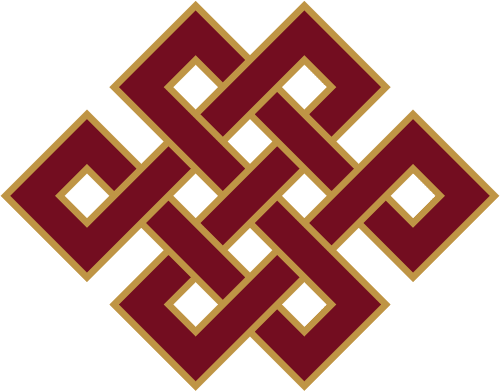
The eternal knot (endless knot) is one of the Eight Auspicious Symbols of Tibetan Buddhism deeply embedded in Mongolian craft and ceremony, symbolizing infinite wisdom and compassion. Prayer wheels, prayer flags, and singing bowls are everyday tools of spiritual protection. The Soyombo symbol on the national flag — a fire, sun, moon, and abstract forms — encodes an entire cosmology of good fortune and national identity.
China
The Chinese dragon is the supreme symbol of imperial power, auspicious fortune, and the dynamic yang energy that drives all achievement and transformation.

India
A string of 108 prayer beads used for mantra repetition, mala beads align the practitioner's energy with divine intention through meditative counting.

India
The eight-spoked wheel represents the Buddha's Noble Eightfold Path and the turning of cosmic law, one of the most universal Buddhist symbols.
Mongolia
The Mongolian Eternal Knot (Ulzii) is one of the eight auspicious symbols of Tibetan Buddhism, representing the endless interdependence of all phenomena and the infinite compassion of the Buddha.
China
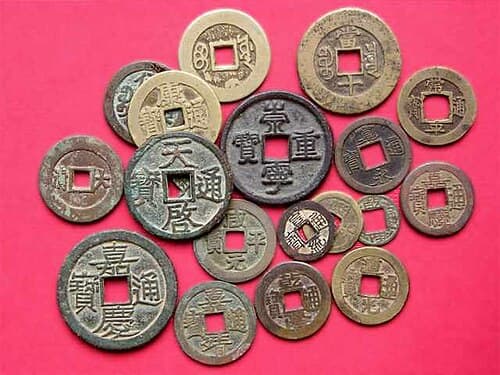
Ancient Chinese coins with square holes, tied in groups of three with red string, are powerful feng shui wealth activators connecting the circular heavens with the square earth.

