
5
Protection
🖐️
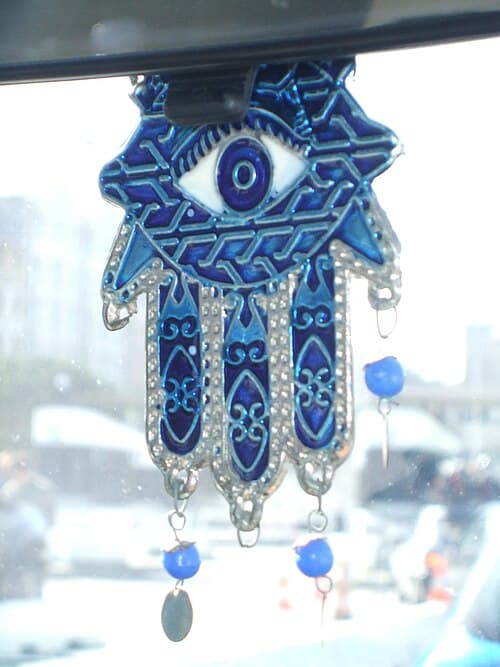
Hamsa Hand
Middle East
An open palm amulet warding off the evil eye across Middle Eastern and North African cultures.
4.9Learn more →

Middle East
8 charms from this country
Kuwait's Bedouin and pearling heritage shapes a charm tradition centered on Sunni Islamic practice and Gulf folk beliefs. The evil eye is universally feared, and blue beads, Quranic amulet cases, and the hand of Fatima are standard protective items. Tasbih prayer beads are carried by men and women as both devotional practice and everyday comfort.
The pearl — historically the foundation of Kuwait's pre-oil economy — carries deep associations of divine gift and unexpected wealth from the sea. Pearl jewelry remains an important traditional adornment. The falcon, the supreme symbol of Gulf culture, represents power and nobility and appears on watches, crests, and amulets.
Middle East
An open palm amulet warding off the evil eye across Middle Eastern and North African cultures.

Japan
The ocean's luminous jewel, formed of patience and adversity, worn as a charm of purity, wisdom, and the beauty wrought by transforming irritation into treasure.

Saudi Arabia / UAE / Qatar / Kuwait
The iconic long-spouted Arabic coffee pot, a symbol of Gulf hospitality, generosity, and the sacred social ritual of coffee.

UAE / Saudi Arabia / Qatar
The sacred hunting bird of the Arabian Peninsula, a symbol of power, precision, and the noble Bedouin tradition of falconry.
Middle East
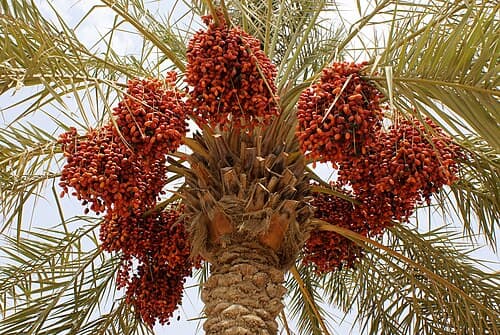
The tree of life of the desert, symbol of abundance in arid lands and the most generous of all Arabic trees.

Middle East
The crescent moon and star, a symbol of Islamic faith found on mosques, flags, and protective amulets across the Muslim world.

Middle East
Thirty-three or ninety-nine beads used to count the ninety-nine names of Allah and cultivate mindful devotion.

Kuwait
A traditional Arabian sailing vessel, symbol of Kuwait's seafaring heritage of pearl diving, trade, and maritime courage.

