

2
General
🍀
Four-Leaf Clover
Ireland
The rarest clover mutation, treasured as nature's own lucky charm.
4.9Learn more →

Europe - Northern
9 charms from this country
Estonia's charm tradition is rooted in its Baltic-Finnic pre-Christian religion, which was formally suppressed only in the thirteenth century and whose elements persist in folklore to this day. The Estonian runic songs (regilaul) contained specific protective formulas. The snake (ussi) was considered a sacred household protective animal — harming the house snake brought misfortune. Oak trees and sacred groves (hiis) were treated as the residences of protective spirits.
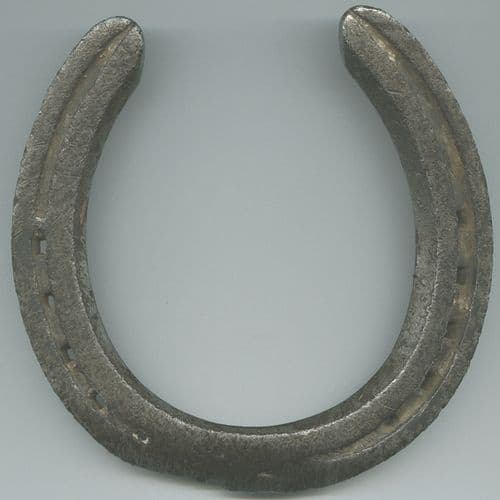
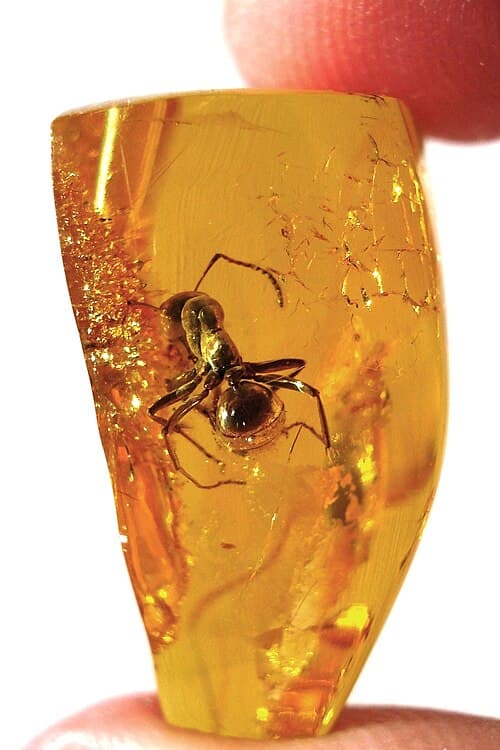
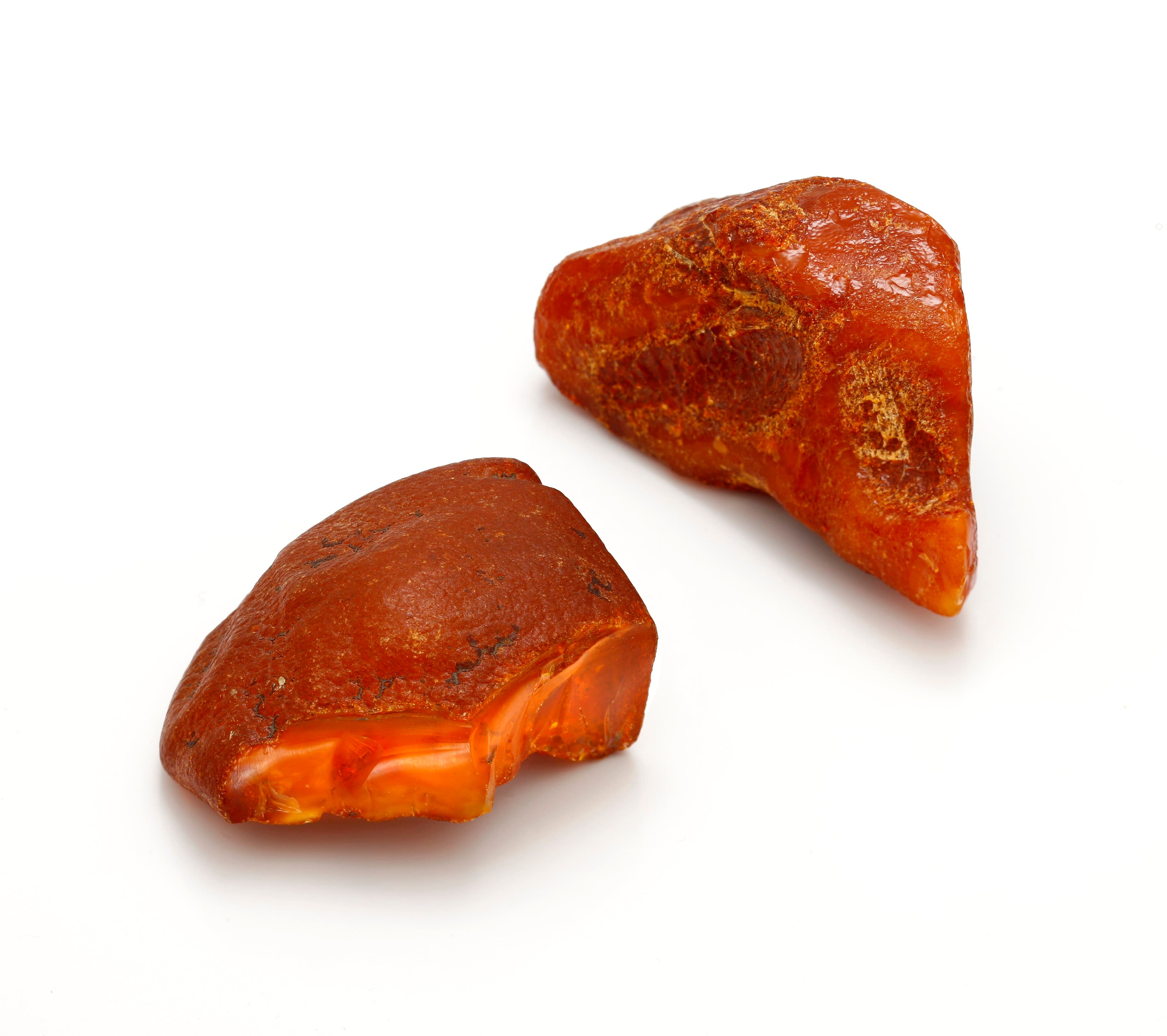
The amber found along the Estonian coast has been crafted into protective amulets and jewelry since prehistoric times, and amber beads remain popular today as both jewelry and lucky charms. The horseshoe, four-leaf clover, and ladybug are standard European luck-bringers. Estonian folk song tradition, so central to national identity, is considered a source of collective protective blessing.
Ireland
The rarest clover mutation, treasured as nature's own lucky charm.
United Kingdom
An iron crescent hung above doorways to catch and hold good luck.

United Kingdom
The spotted red beetle that brings good fortune to whoever it lands upon.

United Kingdom
The humble copper coin that promises a turn of fortune when found heads-up.

United Kingdom
The most universally lucky number in Western culture, encoded in the cosmos itself.

United Kingdom
The tiny seed of the mighty oak, carried for slow-growing but lasting luck.

Estonia
Estonia's national flower — the brilliant blue cornflower (rukkilill) symbolizing Estonian simplicity, honesty, and the blessing of natural beauty.
Lithuania
Ancient tree resin turned to golden stone over millions of years, carried as a charm of healing warmth, timeless wisdom, and the sun's preserved light.
Lithuania
Ancient fossilized Baltic tree resin — the Northern European gold that carries 45 million years of healing and protective energy.

