

4
Wealth
🐱
Maneki-neko (Lucky Cat)
Japan
The beckoning cat is Japan's most iconic good-luck charm, believed to wave fortune, customers, and prosperity into any space it occupies.
4.9Learn more →

East Asia
37 charms from this country
South Korea's charm traditions blend shamanistic roots, Buddhist devotion, and vibrant folk culture. The dokkaebi — a mischievous goblin clutching a spiked club — can grant wishes and is depicted as a protective household spirit. The haetae, a mythical stone lion-dog, has guarded palace gates for centuries and remains a symbol of Seoul. The norigae, a traditional pendant worn on hanbok, is imbued with wishes for longevity, prosperity, and love.
The pujok — a yellow paper talisman inscribed with sacred characters — is pasted to doors and walls to invite good fortune and ward off evil. The eternal knot from Buddhist symbolism appears on Korean crafts and jewelry as an emblem of infinite good fortune, and the samjogo (three-legged crow) is an ancient solar symbol of the Goguryeo kingdom associated with power and divine favor.
Japan
The beckoning cat is Japan's most iconic good-luck charm, believed to wave fortune, customers, and prosperity into any space it occupies.
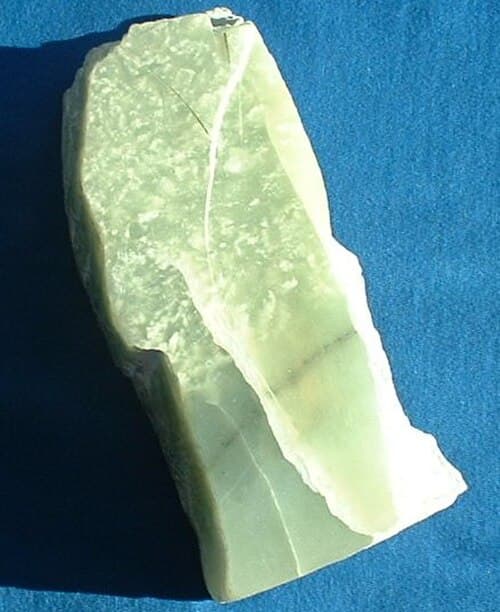
China
Revered for over 7,000 years, jade is the stone of heaven in Chinese culture, believed to protect health, ward off evil, and connect the wearer to divine virtue.
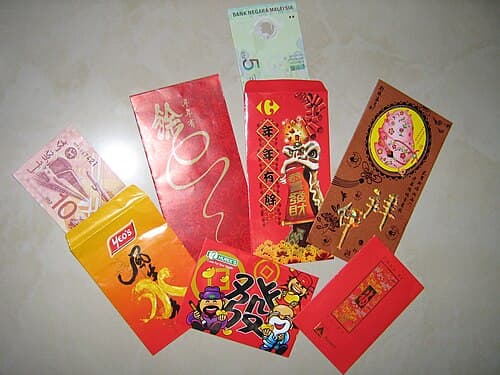
China
The red envelope (hongbao) is China's most universal good-fortune gift, transferring luck and blessings along with cash at every major life celebration.

China
Lucky Bamboo is a feng shui staple believed to bring good fortune, prosperity, and positive energy when placed in the home or office.

Japan
The round, roly-poly Daruma doll is Japan's symbol of perseverance — you set a goal, paint one eye, and complete the other only when the goal is achieved.

China
The Chinese dragon is the supreme symbol of imperial power, auspicious fortune, and the dynamic yang energy that drives all achievement and transformation.

China
Goldfish have been symbols of wealth and abundance in China for over a thousand years, their gold color and fluid movement embodying the easy flow of prosperity.
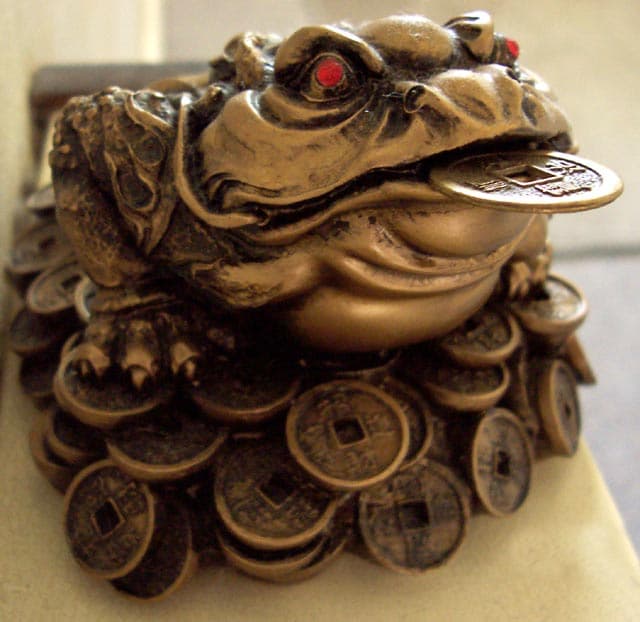
China
The three-legged toad sitting on coins with a coin in its mouth is one of feng shui's most potent wealth activators, said to attract money and prevent it from leaving.

Japan
The koi fish symbolizes perseverance, ambition, and transformation — the legendary carp that swam upstream and leaped the Dragon Gate to become a dragon.

China
The red string bracelet is one of East Asia's most widely worn protective charms, believed to ward off evil, bind fated relationships, and carry the protective power of the color red.

China
The Bagua Mirror is feng shui's most powerful deflection tool — an octagonal mirror ringed with the eight trigrams of the I Ching, used exclusively for exterior protection.

China
Pixiu is a mythical Chinese creature with a dragon's head, horse's body, and lion's feet that eats gold but cannot excrete it — the ultimate symbol of wealth accumulation.

China
In Chinese culture, the bat is one of the most auspicious animals because its name (fu) is a perfect homophone for 'good fortune' — making the bat a living embodiment of luck itself.

China
The gold sycee ingot — the boat-shaped gold and silver currency of imperial China — is the most direct and universally recognized symbol of accumulated financial wealth in the Chinese tradition.
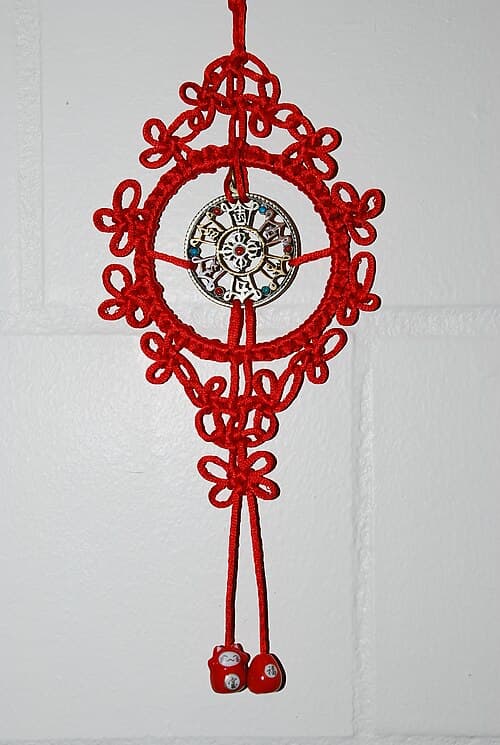
China
Chinese decorative knots are intricate single-cord creations representing unity, good fortune, and the endless continuity of blessings — each pattern carries its own specific meaning.

China
Two fish swimming in perfect parallel is one of the Eight Auspicious Symbols of Buddhism and China's most ancient emblem of love, fertility, and the harmonious joy of partnership.

China
Shuang Xi — the Double Happiness character — is China's most recognized symbol of marital joy, formed by writing the character for 'happiness' twice in a single united form.

China
The Money Tree is a feng shui plant believed to generate positive energy and financial luck, its coin-shaped leaves symbolizing wealth growing steadily from roots of patience.

China
The carp leaping the Dragon Gate is East Asia's most powerful metaphor for achieved ambition — a charm depicting the moment of transformation when sustained effort becomes transcendent success.
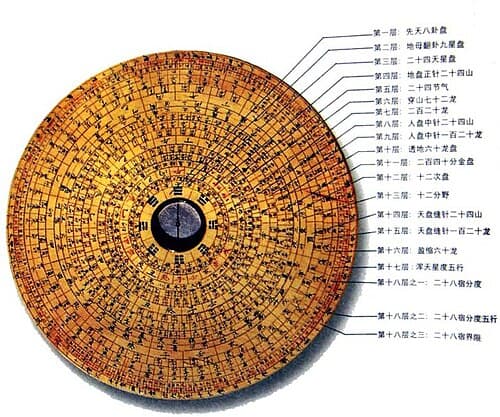
China
The Luopan feng shui compass is the master instrument of Chinese geomancy, used to align buildings, graves, and lives with the optimal energy flows of the cosmos.
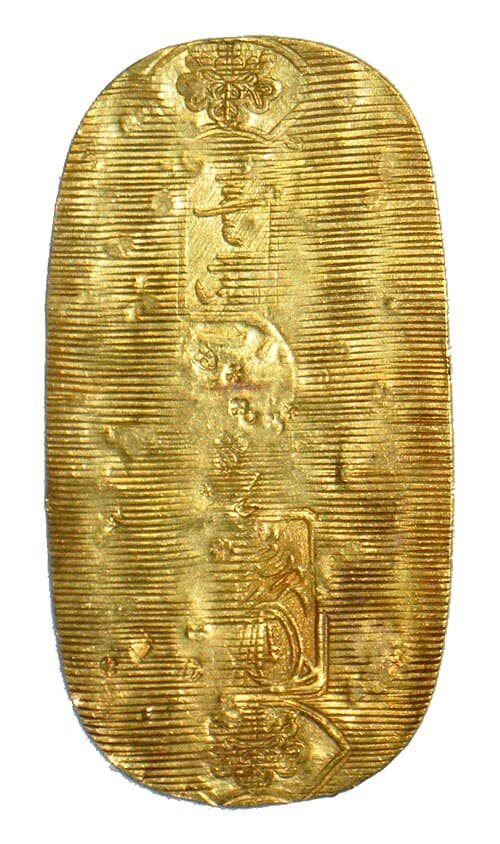
Japan
A specialized variant of the Maneki-neko tradition, the beckoning cat coin combines the luck-attracting power of the lucky cat with the wealth-anchoring energy of a coin charm.
Japan
The cat bell, derived from the collar bell of the traditional Maneki-neko, is a sound-based luck charm believed to announce the arrival of fortune with each ring.

China
Fu Dogs — imperial stone lions that guard the gates of palaces, temples, and homes — are China's supreme protective talisman against evil, theft, and misfortune.
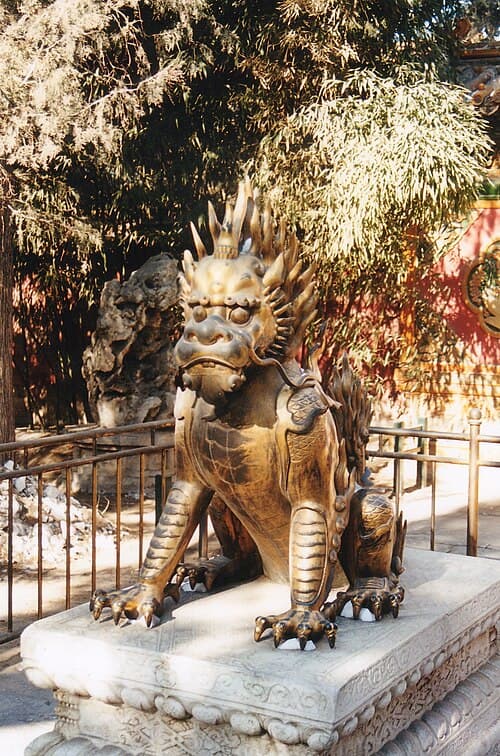
South Korea
The Haetae is Korea's mythological guardian lion that eats fire and prevents disaster, symbolizing justice, protection, and the fierce defense of those under its care.

South Korea
Norigae are exquisite Korean ornamental pendants that adorned the hanbok of aristocratic women, carrying complex auspicious symbols for love, fertility, longevity, and protection.

South Korea
The Korean Dokkaebi is a mischievous but fundamentally good-natured goblin who rewards honesty and punishes greed, serving as both a protective house spirit and a moral guardian.

South Korea
Pujok are Korean shamanistic talismans made from yellow paper with red ink inscriptions, used for protection against evil spirits, illness, and misfortune in homes and on the body.

South Korea
The Rose of Sharon, Korea's national flower, symbolizes the Korean people's resilience, eternal renewal, and the indomitable spirit that blooms continuously despite adversity.

South Korea
The three-legged crow of the sun is an ancient East Asian solar symbol representing the divine energy of achievement, the connection between heaven and earth, and the unstoppable power of solar vitality.

Japan
The origami crane carries Japan's most beloved folk promise: fold one thousand cranes (senbazuru) with a sincere wish and the gods will grant it.

Japan
Omamori are sacred Japanese amulets sold at Shinto shrines and Buddhist temples, offering specific divine blessings for love, safety, success, health, or any of dozens of specialized needs.

Japan
Koinobori — carp-shaped wind streamers — are flown on Children's Day in Japan as a wish for children's strength, perseverance, and the courage to leap over life's obstacles.

Japan
The Japanese folding fan is a symbol of prosperity and good beginnings — its shape, widening from a single point to a broad arc, physically embodies the expansion of fortune from humble origins.

China
The Mystic Knot (Pan Chang Knot) is feng shui's most powerful good fortune symbol — an endless interlaced pattern representing the infinite flow of luck and the interconnection of all blessings.
Mongolia
The Mongolian Eternal Knot (Ulzii) is one of the eight auspicious symbols of Tibetan Buddhism, representing the endless interdependence of all phenomena and the infinite compassion of the Buddha.
China
An ancient Chinese mythological creature, the three-legged toad of the moon is a powerful feng shui wealth symbol believed to attract money and protect against financial loss.
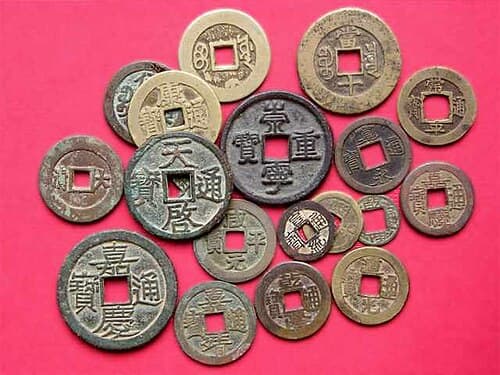
China
Ancient Chinese coins with square holes, tied in groups of three with red string, are powerful feng shui wealth activators connecting the circular heavens with the square earth.

