

32
Protection
✝️
Crucifix
Early Christianity (Rome)
The Crucifix — a cross bearing the corpus (body) of Christ — is the central symbol of Christianity and one of the most powerful protective charms in the Western world.
4.8Learn more →

Southeast Asia
4 charms from this country
Timor-Leste (East Timor) blends Catholicism, animism, and Southeast Asian folk tradition in its approach to protection and luck. The lulik — sacred objects, places, and substances that carry spiritual power — are the foundation of Timorese cosmology. Lulik objects are kept in sacred houses (uma lulik) and are not to be touched by the uninitiated; they protect the clan and bring fortune to its members.
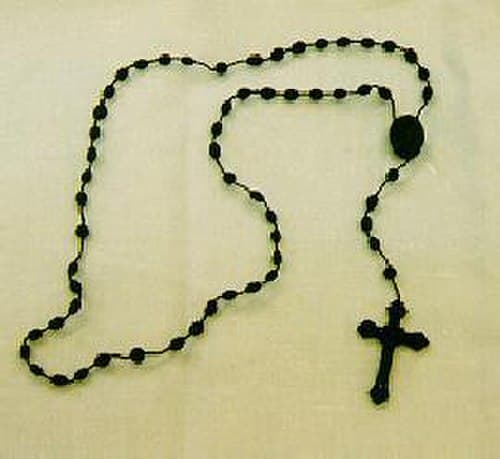
Rosary beads and crucifixes reflect the country's deep Catholic faith, brought by Portuguese missionaries and intensified during the independence struggle when the Church was the primary institution of resistance. The Church remains central to Timorese identity and its symbols are among the most trusted protective charms in the country.
Early Christianity (Rome)
The Crucifix — a cross bearing the corpus (body) of Christ — is the central symbol of Christianity and one of the most powerful protective charms in the Western world.
Medieval Europe
Rosary beads are the most recognizable Catholic prayer tool in the world, used by hundreds of millions for meditative prayer, protection, and the invocation of divine grace.

France
The patron saint of travellers whose medal has accompanied millions on journeys.

West Africa
Ancient African currency and fertility symbol used across the continent for centuries.

