

32
Protection
✝️
Crucifix
Early Christianity (Rome)
The Crucifix — a cross bearing the corpus (body) of Christ — is the central symbol of Christianity and one of the most powerful protective charms in the Western world.
4.8Learn more →

Sub-Saharan Africa
4 charms from this country
Cape Verde's Creole culture — born from the encounter of Portuguese colonizers and West African enslaved peoples — developed its own syncretic religious and protective traditions. The Catholic Church is dominant, and crosses, rosary beads, and medals of saints (particularly Our Lady of Fátima, who shares a name with the Islamic hand) are the primary protective objects. St. Christopher medals are popular among the seafaring population.
Elements of African amulet practice survived in the form of specific plant preparations, protective phrases, and objects blessed by curandeiros. The morna — Cape Verde's melancholic musical form — expresses the saudade (longing) that is the emotional core of Creole culture, and specific songs are believed to carry protective blessings.
Early Christianity (Rome)
The Crucifix — a cross bearing the corpus (body) of Christ — is the central symbol of Christianity and one of the most powerful protective charms in the Western world.
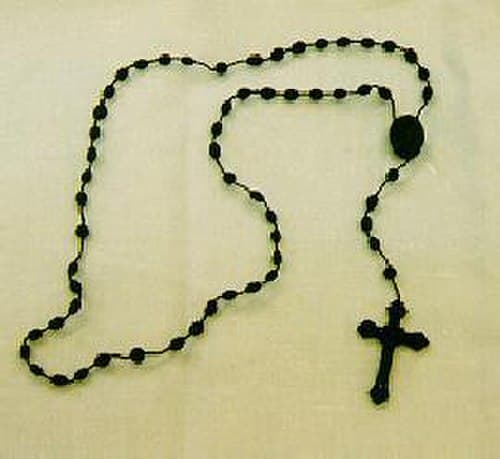
Medieval Europe
Rosary beads are the most recognizable Catholic prayer tool in the world, used by hundreds of millions for meditative prayer, protection, and the invocation of divine grace.

France
The patron saint of travellers whose medal has accompanied millions on journeys.

United Kingdom
The symbol of steadfast hope that holds a life firm against the strongest currents.

