

32
Protection
✝️
Crucifix
Early Christianity (Rome)
The Crucifix — a cross bearing the corpus (body) of Christ — is the central symbol of Christianity and one of the most powerful protective charms in the Western world.
4.8Learn more →

Pacific
5 charms from this country
Tonga, the only remaining monarchy in the Pacific, maintains a traditional social structure with strong protective ceremonial practice. Tongan kava (ʻava) ceremonies are the central ritual for seeking ancestral blessing and protective guidance. The tabua (polished sperm whale tooth) is Tonga's most precious ceremonial object, exchanged at births, marriages, funerals, and diplomatic events as a supreme gift of blessing.
Tongan barkcloth (ngatu), painted with specific geometric designs, is given as a prestige gift at major life ceremonies and carries the accumulated blessing of the women who made it. Christianity is deeply embedded — Tongan Methodist faith is particularly strong — and crosses, prayer books, and rosary beads are standard protective objects. The shark, considered an ancestor of certain clans, carries protective associations for those clans.
Early Christianity (Rome)
The Crucifix — a cross bearing the corpus (body) of Christ — is the central symbol of Christianity and one of the most powerful protective charms in the Western world.
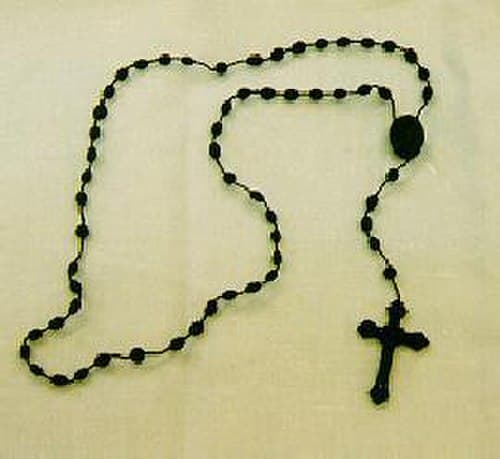
Medieval Europe
Rosary beads are the most recognizable Catholic prayer tool in the world, used by hundreds of millions for meditative prayer, protection, and the invocation of divine grace.

West Africa
Ancient African currency and fertility symbol used across the continent for centuries.

Tonga
Tonga's sacred bark cloth, bearing ancient geometric wisdom, carried as a charm of royal heritage, enduring tradition, and communal identity.

United Kingdom
The symbol of steadfast hope that holds a life firm against the strongest currents.

