

4
Wealth
🐱
Maneki-neko (Lucky Cat)
Japan
The beckoning cat is Japan's most iconic good-luck charm, believed to wave fortune, customers, and prosperity into any space it occupies.
4.9Learn more →

Southeast Asia
14 charms from this country
Singapore's dense multiethnic society — Chinese, Malay, Indian, Eurasian — produces one of the world's most layered charm cultures. In Chinese-Singaporean homes and businesses, feng shui is taken extremely seriously: the position of desks, the direction of doors, and the placement of water features are all carefully optimized. The money frog, pixiu, and laughing Buddha are found in every other shopfront.
The Hindu communities of Little India maintain vibrant traditions of Ganesha worship, kolam rangoli, and navaratna gem jewelry. The Malay community observes Islamic amulet traditions involving Quranic inscriptions, and the Peranakan community (Straits Chinese) has developed its own distinctive lucky-charm aesthetic blending Chinese and Malay elements in intricate beadwork and embroidery.
Japan
The beckoning cat is Japan's most iconic good-luck charm, believed to wave fortune, customers, and prosperity into any space it occupies.
China
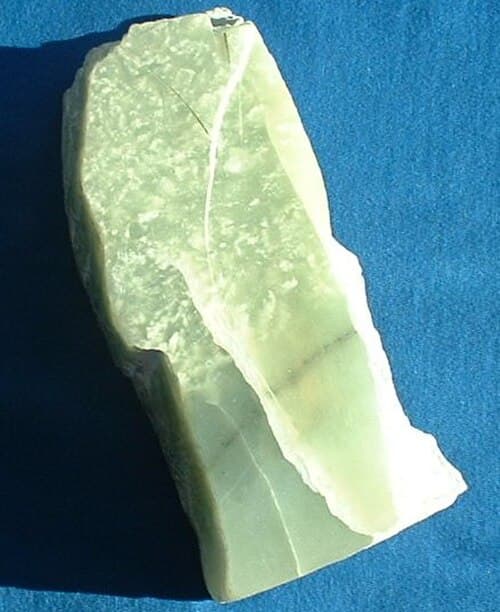
Revered for over 7,000 years, jade is the stone of heaven in Chinese culture, believed to protect health, ward off evil, and connect the wearer to divine virtue.

China
The Laughing Buddha — the round, joyful, sack-carrying monk — is China's most beloved symbol of happiness, wealth, and the simple abundance that comes from contentment.
China
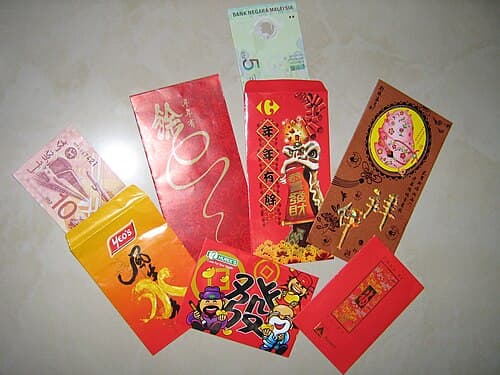
The red envelope (hongbao) is China's most universal good-fortune gift, transferring luck and blessings along with cash at every major life celebration.

China
Lucky Bamboo is a feng shui staple believed to bring good fortune, prosperity, and positive energy when placed in the home or office.

India
The primordial sound of the universe, Om is the most sacred symbol in Hinduism, Buddhism, and Jainism.

China
The Chinese dragon is the supreme symbol of imperial power, auspicious fortune, and the dynamic yang energy that drives all achievement and transformation.

China
Goldfish have been symbols of wealth and abundance in China for over a thousand years, their gold color and fluid movement embodying the easy flow of prosperity.
China
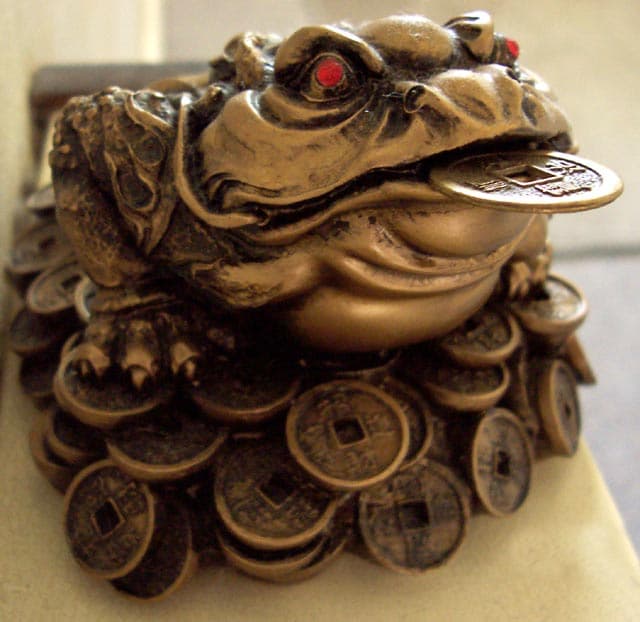
The three-legged toad sitting on coins with a coin in its mouth is one of feng shui's most potent wealth activators, said to attract money and prevent it from leaving.

Japan
The koi fish symbolizes perseverance, ambition, and transformation — the legendary carp that swam upstream and leaped the Dragon Gate to become a dragon.

China
The Bagua Mirror is feng shui's most powerful deflection tool — an octagonal mirror ringed with the eight trigrams of the I Ching, used exclusively for exterior protection.

China
Pixiu is a mythical Chinese creature with a dragon's head, horse's body, and lion's feet that eats gold but cannot excrete it — the ultimate symbol of wealth accumulation.

China
The Wu Lou bottle gourd is China's most important health and longevity charm, carried by the Eight Immortals and believed to contain the elixir of immortal life.
China
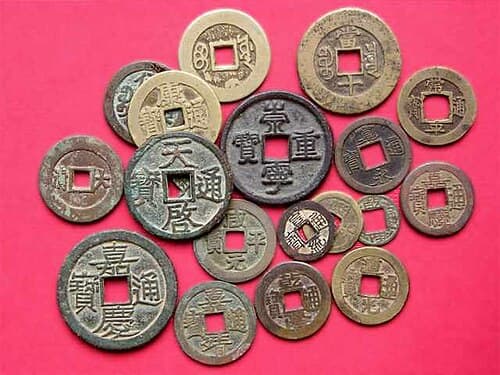
Ancient Chinese coins with square holes, tied in groups of three with red string, are powerful feng shui wealth activators connecting the circular heavens with the square earth.

