
3
Protection
🧲
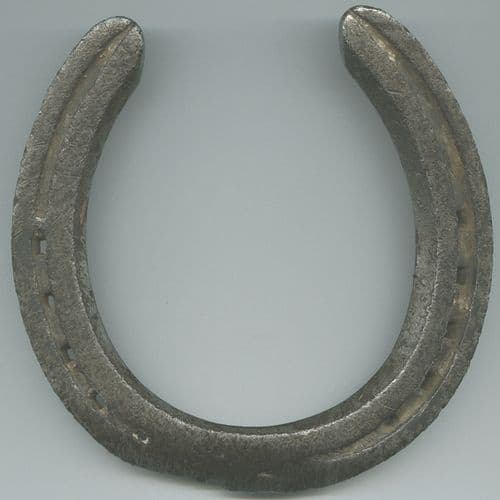
Horseshoe
United Kingdom
An iron crescent hung above doorways to catch and hold good luck.
4.7Learn more →


The rarest clover mutation, treasured as nature's own lucky charm.
The four-leaf clover stands as one of the most universally recognised symbols of good luck in Western culture. Each leaf is said to represent a distinct gift from nature: faith, hope, love, and luck. Finding one among the vast sea of three-leafed plants is a statistical rarity — roughly 1 in 5,000 clovers produces a fourth leaf — which is precisely what makes the discovery feel so magical and personally significant.
The tradition of associating four-leaf clovers with fortune predates recorded history in Ireland, where the shamrock (three-leaf clover) was already a sacred symbol of the land. According to medieval Christian tradition, Eve herself carried a four-leaf clover out of the Garden of Eden as a keepsake of paradise. Celtic druids believed the rare clover granted the power to see fairies and ward off evil spirits, making each find doubly precious.
Today the four-leaf clover appears on everything from greeting cards to jewellery, and its image is embraced worldwide as a shorthand for wishing someone well. The genuine article — pressed flat and preserved — remains a prized talisman that many people keep in wallets or lockets, carrying the serendipitous energy of the moment of discovery.
Each of the four leaves carries its own symbolic weight: the first represents faith, the second hope, the third love, and the fourth luck. Together they are seen as a complete blessing, covering the full spectrum of what a person needs to live a fortunate and fulfilling life. The charm also embodies the joy of unexpected discovery — a reminder that good fortune can appear when you least expect it.
Press a genuine four-leaf clover between the pages of a heavy book for two weeks until fully dried, then carry it in your wallet or place it inside a locket. Many people frame their found clover alongside the date and location of discovery as a meaningful keepsake. Gifting one to a friend before an important event is considered an especially heartfelt gesture of goodwill.
The world record for the most four-leaf clovers found in one hour is 166, set by an American woman in 2018. Scientists believe the extra leaf is caused by a recessive gene, though environmental factors like soil composition can increase local frequency.
The rarity of the mutation — occurring in roughly 1 in 5,000 plants — makes finding one feel like a personal gift from nature. Celtic and Christian traditions layered additional meaning onto this rarity, associating each leaf with a distinct blessing.
Purchased clover charms carry the symbolic meaning and are widely used. However, traditional belief holds that a naturally discovered clover carries stronger luck because the act of finding it is itself a fortunate event.
Place the clover between two sheets of absorbent paper inside a heavy book and leave it for at least two weeks. Once dry, it can be laminated, placed under glass, or sealed in resin for long-term preservation.
United Kingdom
An iron crescent hung above doorways to catch and hold good luck.

United Kingdom
The humble copper coin that promises a turn of fortune when found heads-up.

Ireland
The mischievous fairy cobbler who guards a pot of gold at the rainbow's end.

