

231
Wealth
🐚
Cowrie Shell
West Africa
Ancient African currency and fertility symbol used across the continent for centuries.
4.9Learn more →

Sub-Saharan Africa
6 charms from this country
Kenya's diverse ethnic landscape — Kikuyu, Maasai, Luo, Kamba, Swahili, and many more — produces an equally diverse tapestry of lucky charms and protective traditions. The Maasai are among Africa's most recognizable peoples, and their beaded jewelry (enkiama) is both identity marker and powerful amulet: specific bead colors carry distinct meanings — white for purity, blue for sky and God, red for bravery and blood. Maasai necklaces are among the most iconic African amulets.
The Swahili coastal tradition blends Islamic and African folk practice — tasbih prayer beads, Quranic amulets, and specific plant-based charms are used for protection. Among the Kikuyu, the mugumo fig tree is considered sacred and lucky, and offerings are made at its base. The Kamba people are renowned carvers of protective figurines and ritual objects throughout East Africa.
West Africa
Ancient African currency and fertility symbol used across the continent for centuries.

Sub-Saharan Africa
Ceremonial mask used across Africa to embody spirits, invoke divine forces, and transform the masked dancer into a sacred intermediary.
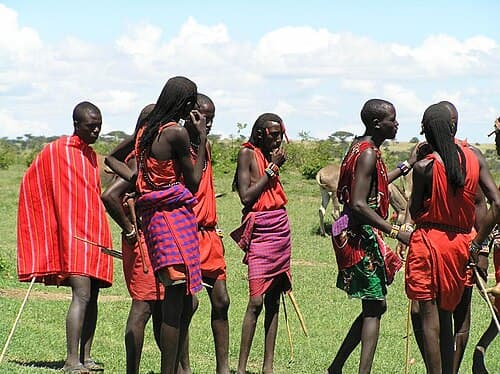
Kenya / Tanzania
Iconic beaded collar worn by Maasai women, encoding social status, clan identity, and spiritual protection.
Kenya
Distinctive painted Maasai warrior shield that protects against physical and spiritual harm.

East and Southern Africa
Ancient fertility and abundance symbol used since the Stone Age as a container, ornament, and sacred offering.

Central and West Africa
Carved ivory talisman historically embodying royal power, ancestral memory, and the strength of the elephant.

