

102
Protection
🔨
Thor's Hammer (Mjolnir)
Norway
The mighty hammer of the thunder god, worn as protection across the Viking world.
4.7Learn more →

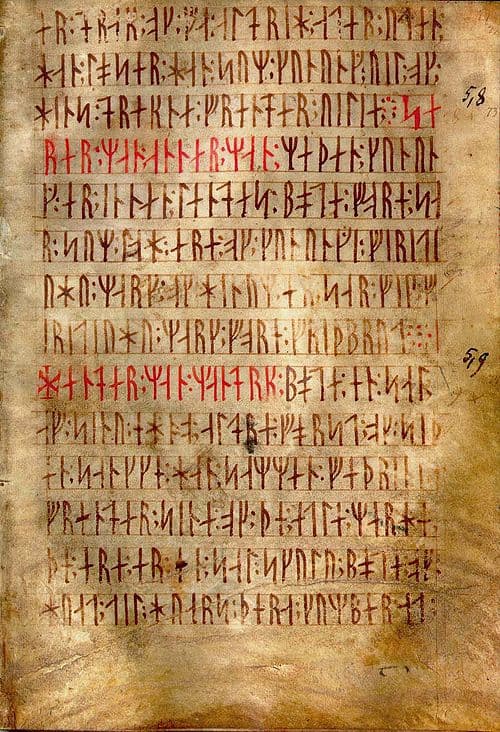
The ancient Norse alphabet stones used for divination and as powerful protective talismans.
Viking rune stones are flat stones inscribed with the characters of the Elder or Younger Futhark — the runic alphabets used by Germanic and Norse peoples from approximately the 2nd century CE onwards. Each rune was not merely a letter but a concentrated symbol with specific magical properties, mythological associations, and divinatory significance. The word 'rune' itself derives from the Proto-Germanic rūnō, meaning 'secret' or 'mystery,' which captures perfectly the understanding of written language as magic in a preliterate world.
According to Norse mythology, the runes were not invented but discovered: Odin hung himself from Yggdrasil, the World Tree, for nine days and nights, wounded by his own spear, sacrificing himself to himself to attain the knowledge of the runes. This origin story positions the runes as cosmic knowledge obtained through suffering — wisdom earned rather than given. The 24 runes of the Elder Futhark each represent a specific force of the natural and spiritual world.
As divination tools, runes were drawn from a bag or cast upon a cloth and read for guidance. As amulets, specific runes were carved into wood, bone, or stone and carried for their individual properties: Algiz for protection, Fehu for wealth, Tiwaz for courage in conflict, Berkano for fertility and new beginnings. Modern rune stone sets typically contain 24-25 stones (often adding a blank stone representing fate or the unknown), and their use for meditation and guidance has revived significantly in contemporary spiritual practice.
Rune stones represent access to the deep grammar of the cosmos — the fundamental forces that shape reality. Each rune encodes a specific quality of existence, and working with them is an act of aligning with those forces consciously rather than being subject to them randomly. They embody the Norse understanding that knowledge is power and that wisdom about the nature of things is the truest form of protection.
Carry the rune associated with your current need — Fehu for financial concerns, Sowilo for vitality, Laguz for emotional clarity. For general guidance, draw a single rune from a bag each morning and meditate on its meaning as a lens for the day. For important decisions, cast three runes representing past, present, and future influences on the situation.
The Younger Futhark, developed from the Elder Futhark around the 8th century, was paradoxically simpler (16 characters instead of 24) and appeared exactly as Norse society became more complex and literate. Scholars debate whether this simplification was intentional esotericisation — making runes less accessible to keep their power concentrated among specialists.
Study the meanings of each rune and choose the one that most directly addresses your current need or aspiration. Alternatively, reach into your bag of runes with a clear question in mind and draw one without looking — the rune you draw is considered the one most relevant to your situation.
Historically, runes were carved on whatever was available — stone, bone, wood, metal, and later parchment. The material matters less than the intention. Stone is traditional for lasting protective charms; wood was traditionally used for divination; metal for personal amulets.
The runes belong to a broad Germanic and Norse cultural heritage rather than any single ethnic group. They have been used by people across Northern Europe for nearly two millennia and are now part of the shared heritage of Western civilisation. Using them respectfully, with knowledge of their history and meaning, is widely considered appropriate.
Norway
The mighty hammer of the thunder god, worn as protection across the Viking world.
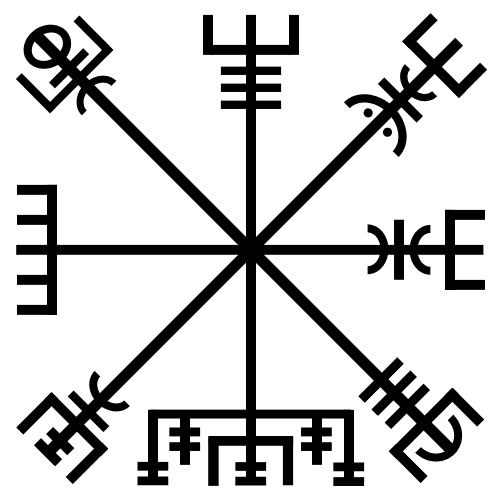
Iceland
The Norse symbol of invincibility that Viking warriors wore before battle.
Iceland
The Norse wayfinder compass that guides its bearer through storms to safe harbour.

