

332
General
🔔
Swiss Cowbell
Switzerland
The resonant Alpine bell that calls home the herd and welcomes good fortune.
4.1Learn more →


The rare Alpine flower that signals courage, purity, and devotion to those who seek it.
The edelweiss — Leontopodium alpinum — is among Europe's most romantic plant symbols, a small white flower that grows in the most inaccessible rocky mountain terrain and was historically considered proof of extraordinary courage and devotion. Young men in the Alps climbed to dangerous heights to bring back edelweiss for the women they loved, making the flower a living testament to the lengths one would go for the object of one's affection.
The flower's German name means 'noble white' — edel (noble) and weiß (white) — and its silvery woolly appearance gives it an otherworldly quality, as though it were made of the mountain cloud rather than earth. It grows at altitudes between 1,700 and 2,700 metres, blooming in July and August in conditions that would challenge most plants, which is precisely what gives it its symbolic power: it is beauty thriving where beauty should be impossible.
As a lucky charm, edelweiss is associated with the Alps in their most romantic manifestation — the mountains as a source of purity, danger, and the clarifying power of height. The flower has been embroidered on traditional Alpine costumes, carved into wooden objects, stamped on Swiss and Austrian commemorative coins, and adopted as the symbol of various Alpine military units. It was also the favourite flower of Empress Elisabeth of Austria ('Sisi'), adding romantic imperial associations to its already considerable symbolic weight.
Edelweiss represents courage in pursuit of beauty, the purity that comes from enduring hardship, and the reward of devotion for those willing to climb high enough. It symbolises that some of the most valuable things in life exist in places that require genuine effort to reach — they cannot be bought or stumbled upon but must be sought with determination.
A pressed or dried edelweiss is kept as a reminder of courage and aspiration. Alpine hikers traditionally collect the flower as a souvenir of their achievement, though wild collection is now legally protected in most Alpine countries. Edelweiss jewellery and embroidered objects make meaningful gifts for those undertaking difficult journeys or ambitious projects.
The edelweiss is so associated with Alpine identity that 'Edelweiss' is the name of the traditional song the Von Trapp family performs in 'The Sound of Music' as a declaration of love for Austria. Though the film was made in America, the song perfectly captures the flower's dual status as both a natural wonder and a cultural symbol of homeland.
In Austria, Switzerland, Germany, and most Alpine countries, picking wild edelweiss is strictly protected by law. The flower was nearly gathered to extinction in the 19th and early 20th centuries by enthusiastic hikers. Edelweiss cultivated for sale is legal and widely available.
Because obtaining it required climbing to genuinely dangerous altitudes where a slip could be fatal. The gift said: 'I valued you enough to risk my life.' This made it the ultimate proof of devotion in a culture where mountain climbing was both a practical skill and a test of character.
Yes — Alpine folk medicine used edelweiss preparations to treat respiratory ailments, digestive complaints, and as an anti-inflammatory. Modern research has confirmed the presence of antioxidant and anti-inflammatory compounds in the plant. Its durability in extreme conditions suggests robust protective chemistry.
Switzerland
The resonant Alpine bell that calls home the herd and welcomes good fortune.

United Kingdom
The tiny seed of the mighty oak, carried for slow-growing but lasting luck.
United Kingdom
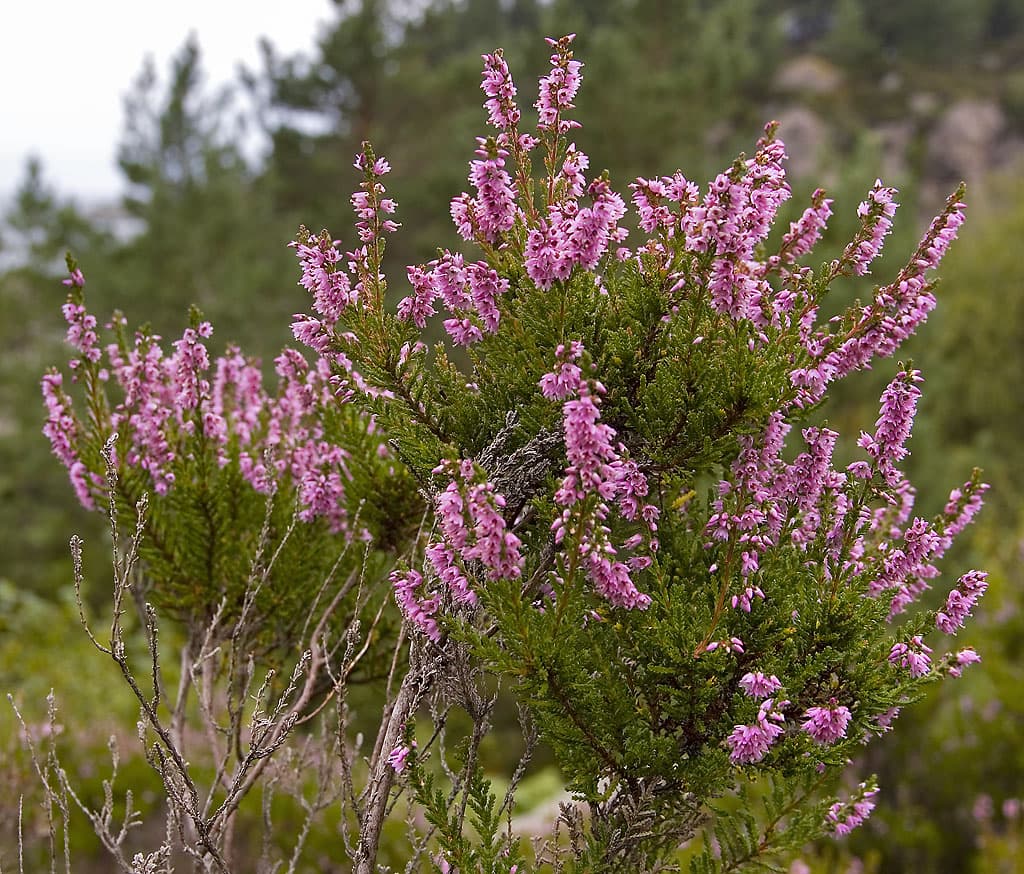
Scotland's rarest bloom, whose white mutation brings extraordinary fortune to its finder.

