

467
General
🌿
Mango Leaves
India
Strung across doorways during festivals and ceremonies, mango leaves welcome prosperity and protect against negative energy.
4.4Learn more →

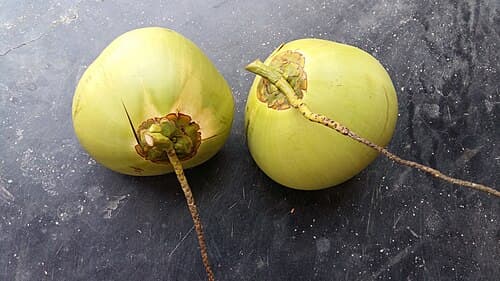
The coconut is the most auspicious offering in Hindu ritual, symbolizing the human ego dissolved in pure consciousness.
The coconut holds a unique status in Hindu ritual as the supreme offering — the one object that can symbolically represent everything from the human ego (the hard outer husk) to the waters of life (coconut water) to pure consciousness (the white inner flesh). Breaking a coconut before a deity or at the start of a new venture is a widespread practice across South and Southeast Asian traditions, symbolizing the shattering of the ego and the complete offering of oneself to the divine. In Sanskrit, the coconut is called 'sriphal' (auspicious fruit) or 'shrifal' (fruit of prosperity), explicitly linking it to Shri (Lakshmi).
The three dark spots on a coconut are said to represent the three eyes of Shiva, making the coconut a physical embodiment of the divine trinity. The coconut water that flows out when the fruit is broken represents the life force (prana) being offered to the deity. The hard shell represents the obstacles one must break through, and the act of breaking it is an act of determination and faith. This symbolism makes the coconut one of the most complete ritual objects in existence — its breaking is simultaneously an offering, an act of will, and a philosophical statement.
Beyond ritual use, the coconut is considered a complete auspicious object that brings prosperity wherever it resides. A whole coconut wrapped in red cloth and placed in a new business or home brings good luck. Tying coconuts to the entrance of a new property before moving in is a common housewarming practice. In Goa and coastal South India, fishing boats are launched with coconuts broken on their prow, and trucks and vehicles receive the same blessing.
The ego surrendered to the divine, completeness of offering, prosperity, and the breaking of obstacles to release the pure inner self.
Break a coconut before starting a new business, entering a new home, or beginning any major project. Offer a whole coconut at a temple for blessings. Place a dry coconut wrapped in red fabric in your home altar or business safe. Sprinkle coconut water in the four corners of a new space to purify it.
The Tamil tradition of breaking coconuts at temples became so enthusiastic in some locations that the Palani Murugan temple in Tamil Nadu receives over 100,000 coconuts broken as offerings annually, and the temple runs a commercial operation turning the offerings into coconut oil and other products.
Yes. The broken pieces can be distributed as prasad (blessed food) and eaten by those present. The water is also considered prasad and should be consumed or poured into a plant or natural water source — never discarded in a drain if offered at a temple.
A coconut that refuses to break cleanly is traditionally interpreted as a sign that the obstacle being symbolically broken is particularly stubborn, requiring more spiritual effort and patience. It is not considered an omen of permanent failure, but rather a signal to persist.
A mature, unhusked coconut with the fiber still intact is preferred for major rituals. For home altars, a small dry coconut (kopra) is common. A tender green coconut is used for offerings in South Indian traditions. The key is that the coconut should be whole and uncracked before the ritual.
India
Strung across doorways during festivals and ceremonies, mango leaves welcome prosperity and protect against negative energy.

India
The pot filled with sacred water and crowned with a coconut and mango leaves represents the universe and invites the gods to reside within.
India
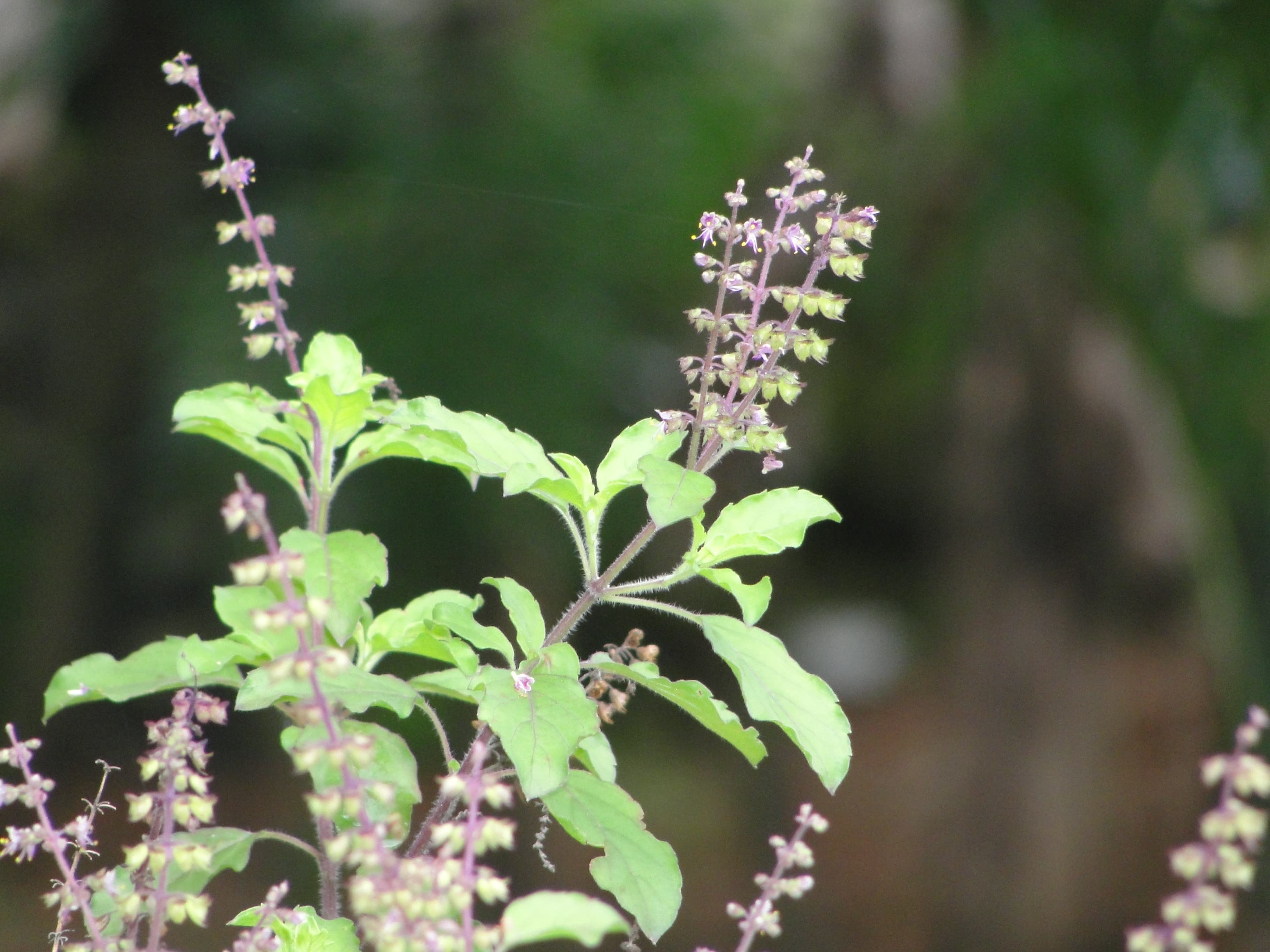
The holy basil plant is considered the earthly manifestation of the goddess Lakshmi and the most sacred plant in the Hindu home.

India
The clay oil lamp is the most fundamental symbol of the dispelling of darkness and the inviting of divine light into one's life.

