

271
Protection
👜
Muti Charm Bag
Southern Africa
Traditional Southern African medicine pouch containing protective and healing herbs and sacred substances.
4.7Learn more →

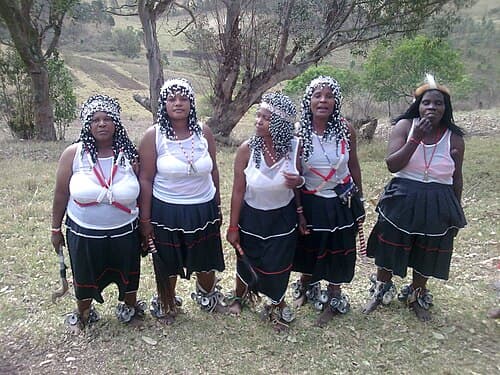
The sacred divination set of the sangoma healer — bones, shells, and objects that reveal hidden truths.
The sangoma is the traditional healer and spiritual practitioner of the Nguni peoples of southern Africa — the Zulu, Xhosa, Ndebele, Swazi, and related groups. A sangoma's calling comes through a sickness and calling (ukuthwasa) in which ancestor spirits make their will known through illness, visions, and unusual behavior that can only be resolved through full initiation into the healing tradition. After a training period that may last several years, the fully initiated sangoma (inyanga for herbal specialists) receives their set of divination objects — the bones.
The sangoma's 'bones' (amathambo) are not exclusively animal bones, though these are included. A complete set may contain animal bones (antelope knuckles, small vertebrae), shells (cowrie, snail), pieces of horn, carved wooden objects, coins, stones, porcupine quills, and various other items, each with specific meanings. When the sangoma throws these objects onto a mat, they read the pattern of how they land — which objects are touching, which are inverted, which face each other — to answer questions about illness, relationship difficulties, spiritual obstacles, and life decisions. This system of reading patterns in thrown objects is called ukuphahla.
As a symbolic object, the bone set represents the intersection of ancestral wisdom and the healing arts — the idea that the spirit world communicates its knowledge through the material world if you know how to read the signs. It is a system of radical attentiveness to randomness — a reminder that meaning is woven throughout the fabric of existence and can be read by those trained to see it. Sangoma work is experiencing a major revival throughout southern Africa, with growing recognition of its psychological and community healing functions.
Ancestral communication and guidance, healing through revelation of hidden causes, the wisdom of reading patterns in apparent randomness, and the bridge between physical illness and spiritual disorder.
Consult an initiated sangoma if you have persistent life challenges that conventional approaches have not resolved. The bone-throwing ceremony offers perspective that psychological and medical approaches may not. For personal use, a small set of natural objects used in personal divination (with study and practice) can develop intuitive attunement.
South Africa has more practicing sangomas than Western-trained medical doctors. The African National Congress government, following Nelson Mandela's presidency, officially recognized traditional healers and created a regulatory council (the Traditional Health Practitioners Act, 2007), acknowledging the role of sangomas in primary healthcare for millions of South Africans.
A sangoma is primarily a diviner and spiritual healer who works through ancestral communication and throwing bones to diagnose problems. An inyanga focuses primarily on herbal medicine and physical remedies. Some practitioners are trained in both traditions, but historically these were distinct roles with different training paths.
In traditional understanding, one does not choose to become a sangoma — the ancestors choose you through the ukuthwasa calling sickness. Without this calling, attempting to practice as a sangoma is considered dangerous and ineffective. However, the training itself is open to anyone whom the ancestors have called, regardless of gender or background.
Many South Africans report remarkable accuracy from experienced sangomas — information revealed that could not be known by ordinary means. Research into divination systems suggests they work partly through pattern recognition, intuition developed through extensive training, and the client's own responses to questions. Whether ancestral spirits are literally involved is a question of faith, not science.
Southern Africa
Traditional Southern African medicine pouch containing protective and healing herbs and sacred substances.

Benin / Haiti / West Africa
Misunderstood figure from Vodou tradition — primarily a vessel for healing and protective spiritual work.

West Africa
A potent consecrated charm from West African spiritual traditions, carrying supernatural protective or activating power.

