

381
General
👞
Serbian Opanak Shoe
Serbia
The curled-toe traditional Serbian shoe — a symbol of cultural identity, grounded tradition, and the blessing of walking one's own path.
4.1Learn more →


The hand-hammered Bosnian copper — a Sarajevo craft tradition carrying centuries of Baščaršija market blessing energy.
The Baščaršija market in Sarajevo's old town has housed copper craftsmen (kazandžije) since the Ottoman period in the 15th century. Hand-hammered copper plates, bowls, coffee sets (džezva and finjan), and decorative objects made in Baščaršija represent one of the Islamic world's finest surviving craft traditions — each piece shaped entirely by a single craftsman's hammer, unique in its surface texture and character. Sarajevo's Kazandžiluk Street (Coppersmiths' Street) remains an active working craft area where visitors can watch copper being hammered and buy directly from the maker.
Copper is the metal of Venus in ancient metallurgical tradition — warm, conducting, associated with love, beauty, and health. Bosnian copper objects carry this ancient quality amplified by centuries of Islamic craft meditation: the hammering of copper is a repetitive practice with meditative qualities similar to dhikr (Sufi repetitive divine remembrance). Each hammer blow is a small act of focused attention, making copper work a form of embedded blessing.
As a lucky charm, a piece of Bosnian hand-hammered copper carries the Baščaršija's centuries of craft intention, the Venus-metal's love and health energy, and the specific blessing of an object made with extraordinary patience and skill. The copper's warmth when touched carries literal thermal comfort and the symbolic warmth of human craft attention.
Warm human craft attention, the blessing of patience and skill, Venus-metal energy of love and health, the Sarajevo tradition of multi-faith coexistence, and the beauty that emerges from repetitive devoted work.
Use Bosnian copper coffee sets to bless hospitality and shared time with loved ones. A copper plate displayed in the kitchen or dining area invites warmth into meals. Touch a copper charm with your palm before difficult conversations to absorb its warmth and patience energy.
Sarajevo was the first city in Europe to have electric trams (1885), electric street lighting, and a railway — developments financed partly through the Baščaršija's enormous Ottoman-era commercial prosperity. The copper market at its heart funded modernity while preserving the most ancient craft traditions simultaneously.
The specific energy comes from the craft tradition — hand-hammering vs. machine production, and the accumulated intention of craftsmen working in a specific sacred commercial space for 600 years. Mass-produced copper lacks this energy.
Let copper patina naturally — the green-brown aging is considered a sign of the metal absorbing energies from its environment. For display pieces, polishing with lemon juice and salt cleanses and refreshes. Never use chemical cleaners on a blessed charm.
Traditionally, coffee (Bosnian coffee in a džezva is among the world's most ritualized coffee experiences), nuts (especially walnuts), or loose coins. The bowl's circular form holds and concentrates whatever energy you place in it.
Serbia
The curled-toe traditional Serbian shoe — a symbol of cultural identity, grounded tradition, and the blessing of walking one's own path.
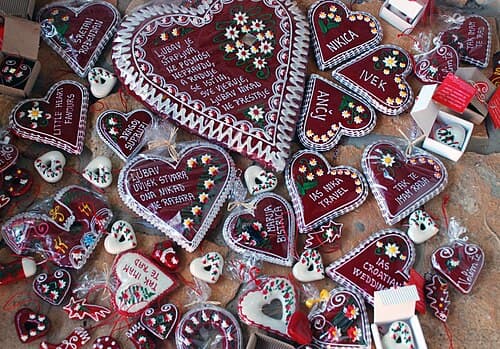
Croatia
Croatia's iconic red gingerbread heart — a UNESCO-protected folk art object and the sweetest expression of Croatian love.

North Macedonia
North Macedonia's vibrant red poppy — a symbol of the fertile Vardar Valley, summer joy, and the resilience of beauty on difficult terrain.

