

395
Protection
👹
Norwegian Troll Figurine
Norway
The wild mountain spirit of Norse mythology, now a beloved protective household figure.
4.1Learn more →


The hand-painted red wooden horse of Dalarna, Sweden's most beloved folk art symbol.
The Dalecarlian horse — Dala häst — is Sweden's most recognisable folk art object and one of Scandinavia's iconic good-luck symbols, a small wooden horse painted in the distinctive kurbits style with stylised flowers and foliage in bright contrasting colours. Made by hand in the Dalarna province (Dalecarlian region) of central Sweden, each horse is carved, primed, and painted through a painstaking multi-step process that has remained essentially unchanged for over two centuries.
The horse's origins lie in the long winter evenings of Dalarna, where craftsmen who worked as woodcutters during the warmer months turned to carving during the cold dark season. Initially carved as toys for children, the horses gradually became prestige objects — gifts brought home by merchants who visited the area and recognised both their beauty and their symbolic resonance. The horse in Swedish tradition represents strength, good fortune, and the reliable power that pulls the community forward through difficulty.
The classic Dala horse is red with white, blue, yellow, and green kurbits decorations, though other colour combinations exist. The red background is particularly significant — red was historically the most expensive pigment and its use signalled both the value of the object and the wish for good fortune it encoded. In 1939, a giant 2.7-metre Dala horse was displayed at the New York World's Fair, introducing this symbol of Swedish craftsmanship to an international audience and cementing its status as Sweden's cultural ambassador.
The Dala horse represents the strength and resilience of working people, the beauty that emerges from difficult circumstances, and the Swedish value of craftsmanship as a form of love and care made tangible. It symbolises the kind of luck that is built through steady, patient effort and the joy of things made by hand with attention and skill.
Display a Dala horse in your home as a symbol of Swedish wellbeing and good fortune. The horse is traditionally placed where it can be seen from the main entrance, welcoming visitors with its cheerful colours. Gift one to someone who needs the encouragement of steady strength and beautiful persistence. In Sweden, children are given Dala horses as symbolic companions through childhood.
The Dala horse is so central to Swedish identity that when Sweden hosted the 2006 Winter Olympics in Turin (as a participating nation), Swedish supporters covered themselves and their accessories in Dala horse imagery. The horse has appeared on Swedish stamps, coins, and as the symbol of Swedish Olympic teams more than any other single motif.
Authentic Dalecarlian horses are made in the Dalarna region of Sweden, primarily in the towns of Nusnäs and Bergkarlås. The two most famous workshops are Nils Olsson Hemslöjd and Grannas A Olsson, both of which have been operating for generations.
The classic red horse is most traditional and most closely associated with good luck. Blue horses represent water and creativity; green represents nature and growth; black and white exist but are less traditional. The red remains the most culturally resonant and the most widely given as a lucky gift.
Dalarna's geography — rich forests, long winters, and a long history of mining and logging — created ideal conditions for woodcarving crafts. The region developed a distinct cultural identity that the horse came to represent, and the combination of available raw material, craft skill, and regional pride concentrated the tradition there.
Norway
The wild mountain spirit of Norse mythology, now a beloved protective household figure.
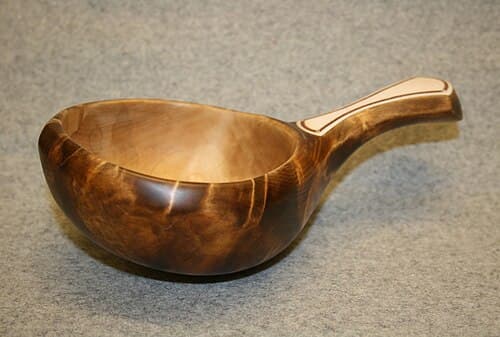
Finland
The hand-carved birch burl cup of Finnish tradition, gifted for luck and lasting friendship.
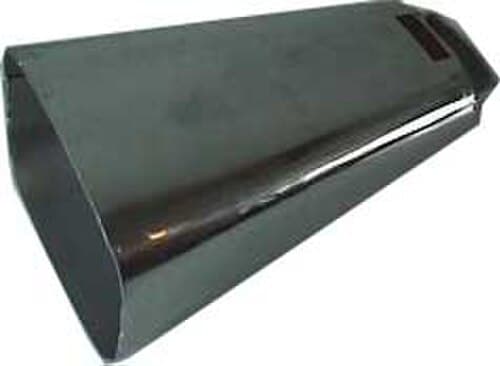
Switzerland
The resonant Alpine bell that calls home the herd and welcomes good fortune.

