
117
Protection
🗿
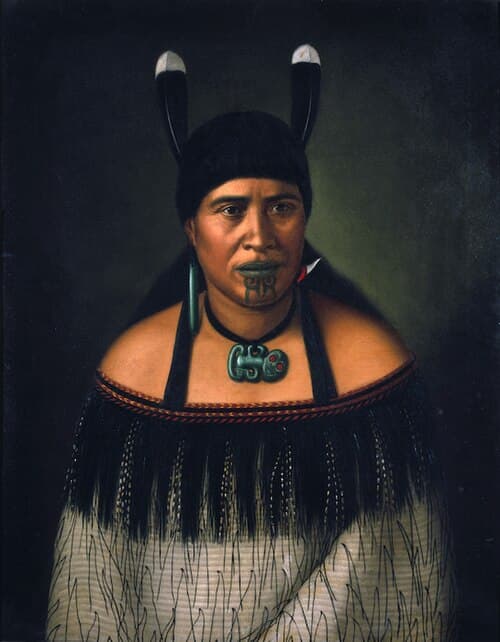
Maori Hei-tiki
New Zealand
The sacred humanoid pendant of the Maori, worn as a powerful charm of ancestral protection, fertility, and good fortune.
4.9Learn more →


The unfurling silver fern spiral of Maori art, worn as a charm of new beginnings, growth, and the continuous renewal of life.
The koru — from the Maori word for 'loop' or 'coil' — depicts the unfurling frond of the silver fern (Cyathea dealbata), New Zealand's most iconic plant. As the fern frond emerges from the soil and slowly spirals open, it becomes one of nature's most elegant demonstrations of growth: beginning tightly coiled in potential, then gradually expanding into fullness. The koru appears throughout traditional Maori art, tattooing (tā moko), carving, and weaving, and has become the most widely recognised symbol of New Zealand.
In Maori cosmology, the koru represents the cycle of life — birth, growth, death, and rebirth — and the idea that new beginnings always contain the seeds of what came before. The spiral form connects to the ancient Polynesian understanding of time as cyclical rather than linear, with each life stage echoing its predecessors at a higher turn. Wearing a koru charm is a declaration of trust in the process of becoming: an affirmation that the tightly held present will unfurl into something magnificent.
The koru is particularly appropriate for life transitions: new births, new careers, marriages, moving to a new country, or recovery from illness. Air New Zealand has incorporated the koru into its logo and tail livery, making it instantly associated internationally with New Zealand itself. As a charm, it works on the holder's willingness to expand into their full potential rather than remain safely coiled.
New beginnings, continuous growth, the courage to unfurl, cyclical renewal, and the promise that potential will manifest into its fullest expression.
Wear the koru charm at moments of transition or new beginnings. When you feel stuck or contracted, hold the charm and trace the spiral with your fingertip from inside to outside, breathing outward as you go. Place it on a new journal, planner, or project file to bless the beginning of a creative cycle.
The silver fern's silver-white underside was used by Maori warriors as a trail marker at night — they would overturn fronds along a path so the pale underside caught moonlight, creating a glowing trail through the dark bush. The symbol of the silver fern therefore also carries a meaning of 'finding your way in darkness.'
It is one of the most traditional gifts for newborns in New Zealand, representing the new life beginning to unfurl. A small silver koru on a bracelet or a pounamu koru pendant are both popular choices.
In traditional Maori art, the spiral can turn either way and the meaning remains the same. Some modern carvers assign different emphases — outward-turning for expansion, inward-turning for contemplation — but this is a contemporary interpretation rather than a strict tradition.
The koru as a cultural symbol is not copyrighted and appears throughout Maori and New Zealand art freely. Air New Zealand's specific stylised version is trademarked, but the traditional spiral form belongs to all.
New Zealand
The sacred humanoid pendant of the Maori, worn as a powerful charm of ancestral protection, fertility, and good fortune.

New Zealand
Sacred New Zealand jade carried as a living charm of spiritual authority, healing, and the enduring power of the land.
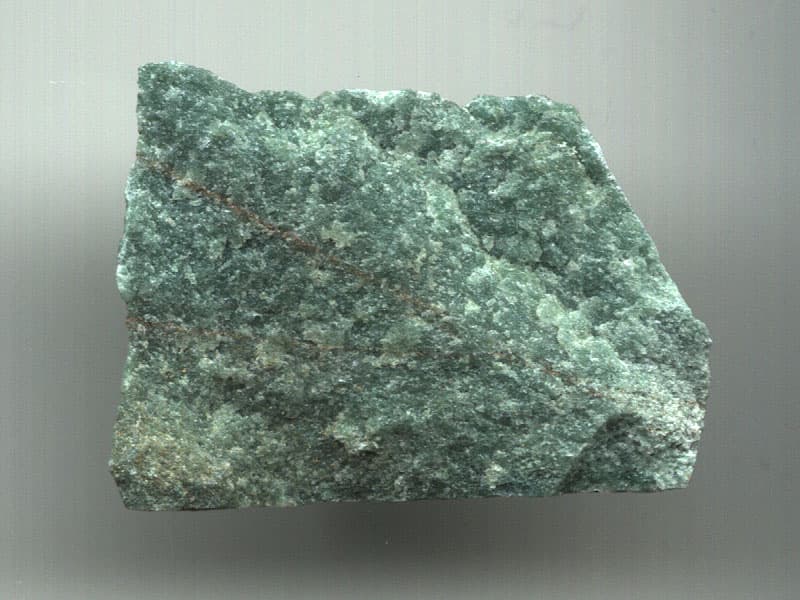
India
The shimmering green stone of opportunity and good luck, carried as the ultimate charm for attracting prosperity, positive outcomes, and the grace of fortunate timing.

