

471
Wealth
🎨
Kolam/Rangoli
India
Sacred floor art drawn at thresholds and courtyards to welcome Lakshmi and repel negative energies through geometric beauty.
4.6Learn more →

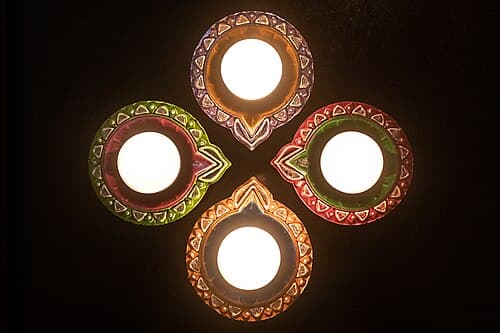
The clay oil lamp is the most fundamental symbol of the dispelling of darkness and the inviting of divine light into one's life.
The diya is a small clay lamp, typically shaped like a leaf or oval dish, filled with oil or ghee and lit with a cotton wick. In its physical simplicity lies a profound philosophical statement: light conquers darkness, knowledge triumphs over ignorance, and the divine (represented by light) can be invited into any space regardless of how humble. The diya is used in virtually every Hindu ritual — morning and evening prayers, temple worship, festival celebrations, weddings, birth ceremonies, and death rites. It is the most democratic of sacred objects, costing almost nothing yet carrying full ritual efficacy.
The festival of Diwali, the most widely celebrated Hindu festival worldwide, takes its name from the Sanskrit 'deepavali' meaning 'row of lights,' and is essentially a massive collective rite of lighting diyas to welcome Lakshmi, the goddess of wealth, into every home. The tradition holds that Lakshmi wanders the earth on Diwali night looking for well-lit, clean, and welcoming homes to bless — homes kept dark invite poverty. This single folk belief has generated one of the world's most spectacular collective light displays, stretching across the Indian subcontinent and its diaspora.
Beyond festivals, a diya kept burning continuously (akhanda jyoti) in the prayer room is believed to maintain an unbroken channel between the household and the divine. The direction of the flame is closely observed: a flame pointing north invites wealth, a flame leaning east suggests an approaching visitor, and a steady upward flame indicates divine blessing. The ghee lamp in particular is associated with Lakshmi and is considered the most auspicious type of diya for prosperity rituals.
The victory of light over darkness, knowledge over ignorance, the presence of the divine in daily life, and an open invitation for Lakshmi's blessings.
Light a diya with pure ghee every morning and evening in your prayer space. During Diwali, light rows of diyas along the entrance, windows, and rooftop. For specific prosperity intentions, light 11 diyas in a row facing north on a Thursday evening. Never blow out a diya with the mouth — use a fan or allow it to burn out naturally.
The largest diya in the world, measuring over 15 feet in diameter, is lit annually in Ayodhya, India, during Diwali. In 2022, Ayodhya set a Guinness World Record by simultaneously lighting 1.5 million diyas along the banks of the Sarayu River.
Cow's ghee is considered the most sacred and powerful for spiritual purposes, producing a purified flame. Sesame oil is used for Saturn-related rituals and to remove obstacles. Mustard oil is used on Saturdays. Castor oil is for Shani puja. Coconut oil is commonly used in South India for daily worship.
Electric lamps carry none of the ritual efficacy of a flame lit with intention and consecrated fuel, according to traditional practice. They are convenient for decoration, but for actual ritual purposes, a genuine flame on an oil-soaked wick is considered essential.
One wick is standard for daily worship. Three wicks are used for deity propitiation. Five wicks for the pancha-deepa (five flames) represent the five elements. Eleven wicks are used for special Lakshmi puja. The number matters for specific rituals, but a single-wick diya is universally appropriate.
India
Sacred floor art drawn at thresholds and courtyards to welcome Lakshmi and repel negative energies through geometric beauty.
India
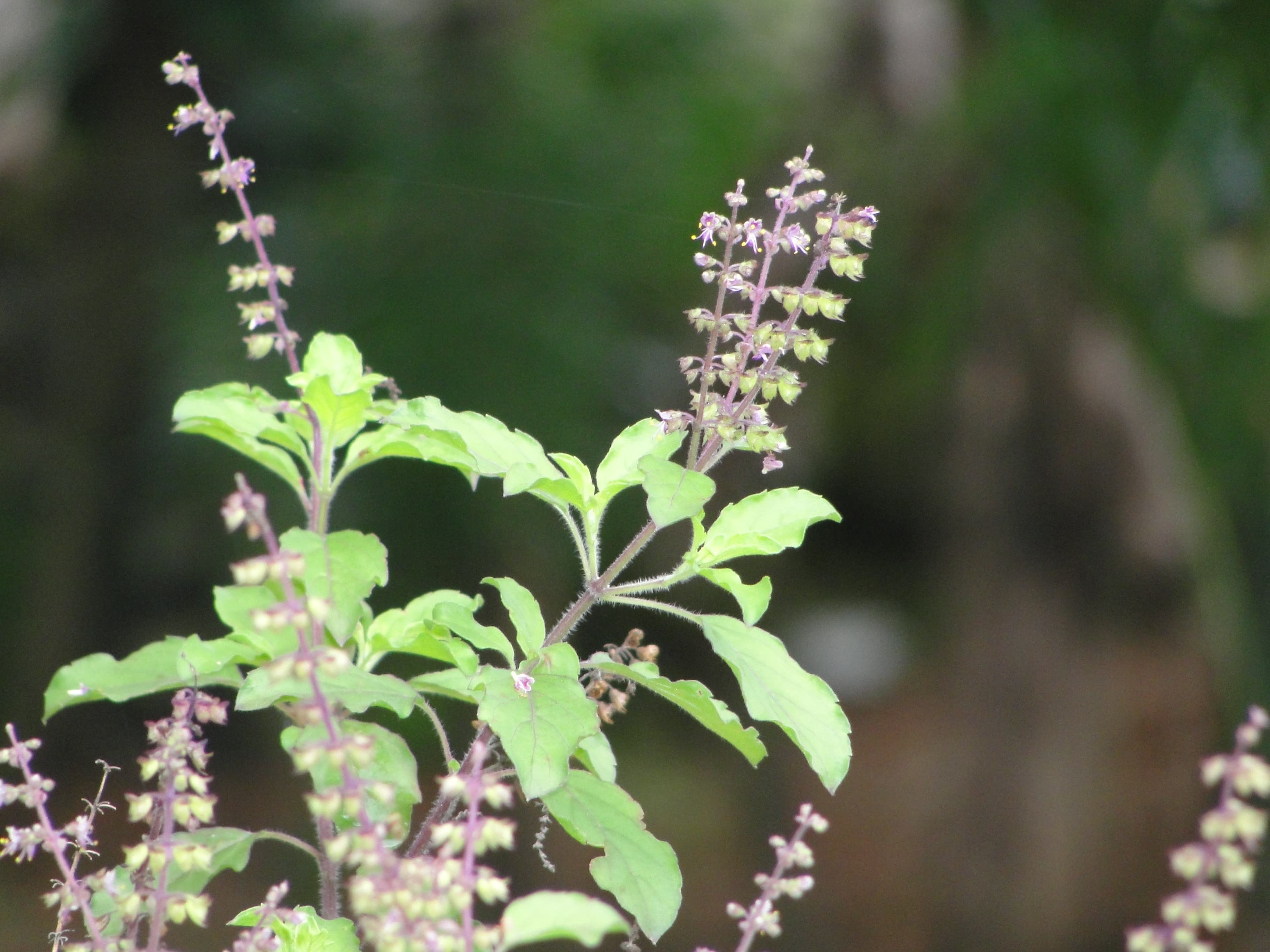
The holy basil plant is considered the earthly manifestation of the goddess Lakshmi and the most sacred plant in the Hindu home.

India
The elephant-headed Hindu deity Ganesha is the remover of obstacles and the lord of new beginnings.

India
The sacred red mark applied to the forehead activates the ajna chakra and marks the body as consecrated to the divine.

