

46
General
🐦
Jamaican Doctor Bird
Jamaica
Jamaica's national bird — the streamertail hummingbird — a symbol of joy, agility, and the vibrant natural spirit of the Caribbean island.
4.5Learn more →


The magnificent multi-horned papier-mâché mask of Puerto Rican Carnival tradition — a figure who chases away evil while embodying the island's joyful, syncretic spirit.
The vejigante mask is Puerto Rico's most distinctive folk art form and Carnival symbol — a wildly colorful papier-mâché mask with dozens of curving horns in brilliant tropical colors worn by dancers who chase spectators through the streets of Ponce during the February Carnival. The vejigante figure is understood as a character who frightens and chases away evil spirits and bad luck, doing so with such exuberant, theatrical energy that the experience is more delight than terror.
The vejigante tradition developed in Ponce on Puerto Rico's southern coast, merging Spanish Carnival traditions with African and indigenous Taíno elements to create something uniquely Puerto Rican. The masks' many horns have been variously explained as representing devils (the vejigante as converted from evil to working for good), as the many faces of the Caribbean's complex cultural fusion, or simply as the maximalist aesthetic expression of Puerto Rican folk artistry that says 'more is better, and then more.'
In Loíza on Puerto Rico's northern coast, a parallel vejigante tradition uses coconut shell masks — the two traditions represent the Spanish/Carnival-influenced south and the African-influenced north, together embodying Puerto Rico's cultural synthesis. The vejigante mask has become a beloved symbol of Puerto Rican identity and pride both on the island and in the diaspora, appearing in home decoration, jewelry, and as a symbol of the joyful, colorful, multi-horned spirit that Puerto Rican culture offers to the world.
The vejigante represents the triumphant transformation of chaos into celebration, of the frightening into the festive. It embodies Puerto Rico's cultural resilience and its capacity to metabolize diverse influences — Spanish, African, Taíno — into something brilliantly original. As a luck charm, the vejigante chases away negative energy with such joyful force that even the bad luck has a good time leaving.
Display a vejigante mask in your home as a powerful protector and celebratory symbol. In Puerto Rican tradition, the mask is hung in the main room where its protective energy guards the entire household. Give vejigante-themed gifts to Puerto Ricans as acknowledgment of cultural pride. Use the image when you need to face difficulties with joy rather than grimness.
The most accomplished Ponce mask makers (artisans) create horns that can number over 100 on a single mask, each individually hand-molded from papier-mâché and painted in complex geometric patterns. A single elaborate competition mask can take six months to complete and is considered a significant work of fine art. Some master artisans' masks sell for thousands of dollars and are collected internationally.
Ponce vejigante masks are made from papier-mâché and feature many horns in tropical colors — they evolved from Spanish Carnival traditions. Loíza vejigante masks are made from coconut shells with a different angular form and coloring — they reflect the African cultural heritage of that community. Both are authentic Puerto Rican traditions; together they represent the island's full cultural synthesis.
The vejigante figure traditionally carries a vejiga — a dried and inflated cow or pig bladder attached to a stick — which they use to tap (lightly hit) people they chase through the streets. This activity, once literally done with animal bladders, is now done with similar-shaped paper or cloth bags filled with flour or confetti, maintaining the playful chase tradition safely.
Yes, and vejigante mask-making workshops are offered by Puerto Rican cultural centers both on the island and in Puerto Rican diaspora communities. The papier-mâché technique is accessible to beginners, though the complex multi-horned forms take practice to master. Making your own mask deepens the connection to the tradition and results in a genuinely personalized protective object.
Jamaica
Jamaica's national bird — the streamertail hummingbird — a symbol of joy, agility, and the vibrant natural spirit of the Caribbean island.
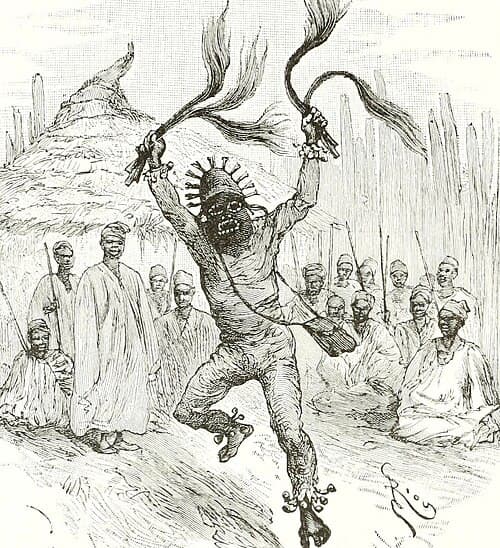
Haiti (Haitian Vodou tradition)
Sacred geometric symbols drawn in cornmeal or flour to invoke specific Lwa (spirits) in Haitian Vodou ceremonies.
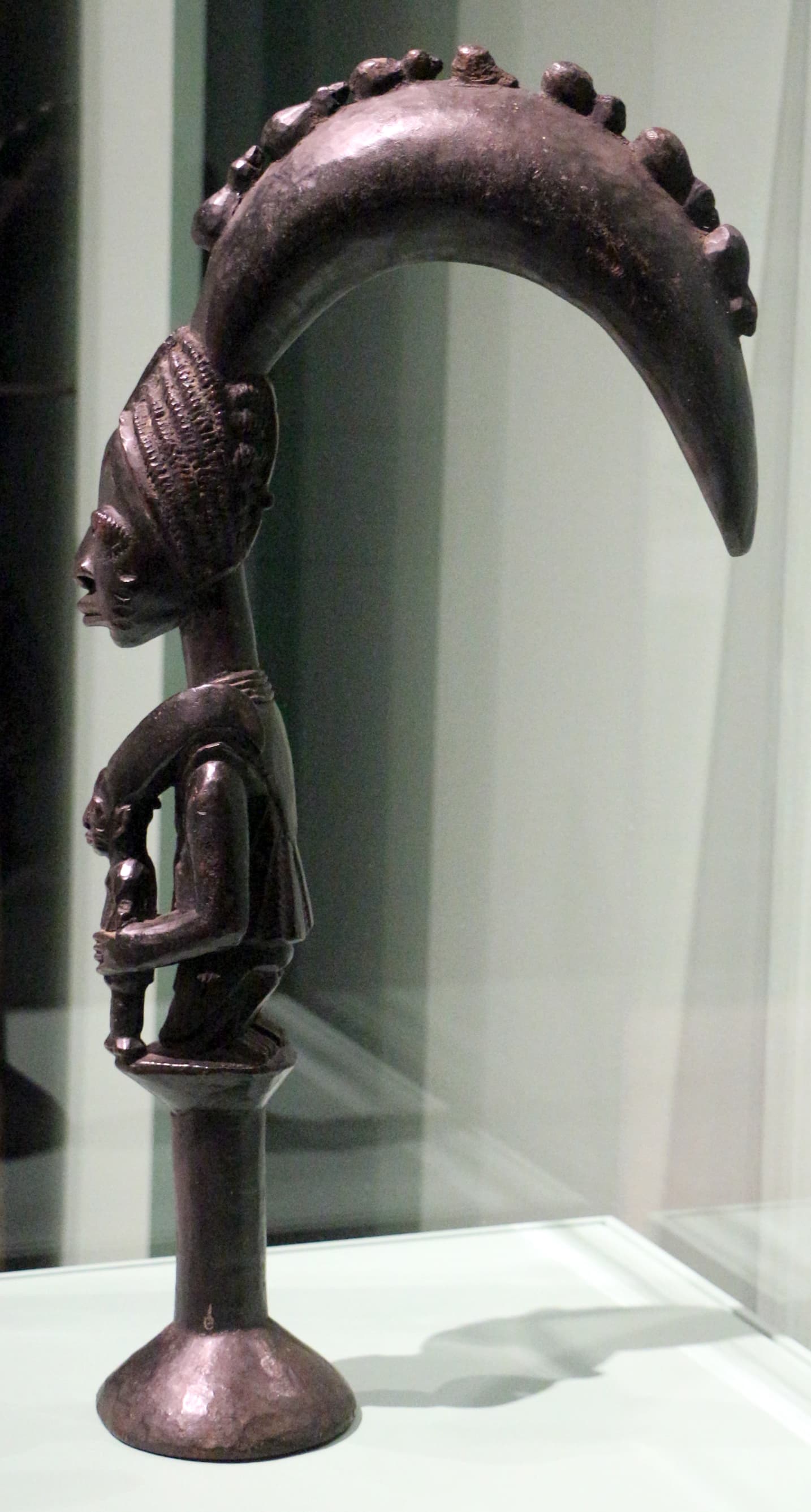
Cuba (Santería / Lucumí / Candomblé tradition, from Yoruba origin)
The Orisha of crossroads, doors, and beginnings in Cuban Santería — the trickster guardian who must be honored first in all ceremonies.

