
91
General
💀
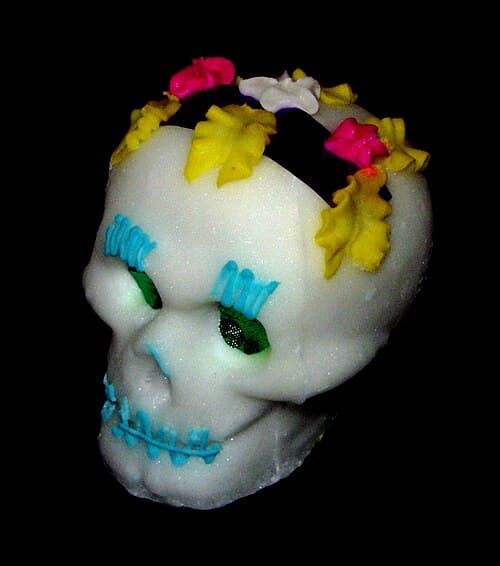
Day of the Dead Skull (Calavera)
Mexico
A decorated sugar skull that honors the dead during Día de los Muertos, celebrating the joyful reunion between the living and their beloved ancestors.
4.8Learn more →


The flower of the dead — cempasúchil — whose brilliant orange blooms guide departed souls home during Día de los Muertos.
Cempasúchil, the Mexican marigold (Tagetes erecta), is the sacred flower of Día de los Muertos, its brilliant orange-gold petals scattered in paths from cemetery gates to family altars to guide the spirits of the dead home for their annual reunion with the living. The Aztecs called it cempasúchitl — meaning 'twenty-flower' in Nahuatl — and associated it with the sun and the dead god Mictlantecuhtli. The marigold's pungent, distinctive scent was believed to be perceptible even to spirits traveling between worlds, making it the perfect beacon for souls navigating back to the land of the living.
The Mexican marigold's golden-orange color symbolizes the sun and the warm light that guides the dead across the river of the underworld. During Día de los Muertos, flowers are sold by the hundreds of tons across Mexico, with entire highways lined with marigold vendors and families traveling to flower markets to purchase enough blooms to cover their ofrendas and trace paths from their doorways to cemetery graves. The visual effect of a Mexican cemetery covered in marigolds in early November is described by visitors as overwhelming in its beauty.
As a botanical charm, the Mexican marigold carries powerful protective properties in folk tradition. Planted around homes, marigolds repel pests and are believed to ward off malevolent spirits. Carried in a small bundle or dried and kept in a pouch, they invite the protective presence of beloved ancestors. In folk medicine, cempasúchil tea treats digestive problems, and the flower's essential oil is used in aromatherapy for its grounding, clarifying properties.
The Mexican marigold represents the bridge between the living and the dead, the golden path of memory and love that connects generations. It embodies the Mexican understanding that grief and celebration can coexist, that honoring the dead is an act of joyful love rather than somber mourning. The marigold's fierce, sunny color represents the warmth of love that does not diminish with death.
Place fresh or dried marigolds on your altar, especially during late October and November. Create a path of marigold petals leading from your front door to a photo of a beloved deceased person as an invitation for their spirit's visit. Carry dried marigold petals in a small sachet to maintain ancestral connection and protection throughout the year.
Mexico exports approximately 80% of its Día de los Muertos marigold flowers to the United States, where a growing Mexican-American community celebrates the holiday. The flowers must be harvested at precisely the right moment and transported quickly to arrive fresh for the November 1-2 celebration, creating one of the most intense agricultural logistics operations in the Americas.
In Aztec tradition, the marigold's strong scent was understood as a bridge between worlds — powerful enough for spirits to follow. The color gold mirrors the sun, which the Aztecs associated with the journey of souls through the underworld. The marigold's ability to bloom prolifically even in poor soil also made it a symbol of persistence and the endurance of love beyond life.
Yes, and growing your own marigolds from seed is a beautiful way to connect with the tradition. Tagetes erecta seeds are readily available and are easy to grow in full sun. Start them 6-8 weeks before your desired bloom time. The large-headed 'Aztec' or 'African' marigold varieties most closely resemble traditional cempasúchil.
In folk magic traditions across Mexico and Central America, marigolds planted at the four corners of a property are said to protect the home year-round. Bundles of dried marigolds hung above doors serve the same purpose as other herbal protective sachets. The flower's actual pest-repelling properties in the garden lend credence to its protective reputation.
Mexico
A decorated sugar skull that honors the dead during Día de los Muertos, celebrating the joyful reunion between the living and their beloved ancestors.

Mexico (Catholic folk tradition)
Small metal votive charms placed on saint statues or shrines to request miracles or give thanks for prayers answered.

Mexico
The most venerated Catholic image in the Americas — the dark-skinned Virgin who appeared to Juan Diego in 1531, patroness of Mexico and all the Americas.

