
465
General
🥥
Coconut
India
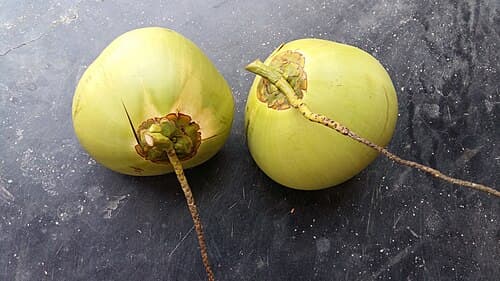
The coconut is the most auspicious offering in Hindu ritual, symbolizing the human ego dissolved in pure consciousness.
4.5Learn more →


The pot filled with sacred water and crowned with a coconut and mango leaves represents the universe and invites the gods to reside within.
The Kalasha is a sacred metal or clay pot filled with water, into which mango leaves are placed around the mouth and a coconut is set on top, creating an object that functions as a portable temple — a complete symbolic representation of the universe that invites all the gods to reside within it for the duration of a ceremony. The word 'Kalasha' refers specifically to the pot's sacred form when assembled in this complete configuration. In Hindu tradition, the Kalasha represents the abode of the divine: the pot is the earth, the water is the life-sustaining cosmic ocean, the mango leaves are the four Vedas, and the coconut is the divine head — the supreme Self (Brahman) residing in the vessel of creation.
The Kalasha is indispensable in Hindu rituals of all kinds: every puja, every ceremony, every vow-taking, and every festival requires a Kalasha to establish divine presence in the ritual space. A Kalasha is the first object set up when consecrating a new space for worship. In elaborate ceremonies like yajnas (fire ceremonies), a row of Kalashas is established for each deity to be invoked, with specific mantras and offerings for each. The ritual of Kalasha Sthapana (establishing the Kalasha) marks the official beginning of a ceremony, indicating that the divine has arrived and the sacred space is now live.
Beyond ritual use, the Kalasha symbolizes abundance itself — an overflowing pot is a universal human symbol of plenty, and the Kalasha with its coconut and leaves bursting from the top captures this overflowing quality. The Purna Kumbha (full pot) appears in temple architecture, on pillars and doorways, as a continuous reminder that the divine is always full and always overflowing with blessings for those who approach with devotion.
The universe contained in a single pot, the invitation of divine presence into a ritual space, overflowing abundance, and the cosmic completeness of water, earth, plant, and coconut combined.
Establish a Kalasha at the beginning of any puja or ceremony by filling a copper pot with clean water, inserting five mango leaves, and placing a coconut on top. Wrap the pot in a red cloth and draw a swastika or Om symbol on the side with kumkum. After the ceremony, pour the Kalasha water on the sacred plant in your garden as prasad. Keep a small permanent Kalasha on your home altar.
The Kumbh Mela, the world's largest religious gathering (attracting up to 120 million pilgrims), takes its name directly from the Kalasha/Kumbha — 'kumbha' means pot, and the festival commemorates the cosmic churning of the ocean in which the amrita (nectar of immortality) spilled from a Kalasha as it was being carried by Garuda. Drops fell at four places, where the Kumbh Mela is held in rotation.
Ideally, water from a sacred river (Ganga, Yamuna, Saraswati, Kaveri, or any other recognized sacred source). If unavailable, clean spring water is preferred over tap water. Adding a pinch of sacred ash, a few drops of Gangajal (Ganges water), or a small amount of milk makes ordinary water sacred. The water should be added with mantras and intention.
Copper is the traditional and most spiritually potent material, associated with the sun and the god Varuna (water). Gold is for the most elaborate ceremonies. Silver is for ceremonial contexts. Clay (terracotta) is used for simpler domestic rituals and is considered the most traditional of all, as the first Kalasha in Vedic tradition was made from earth. Brass is widely used as an affordable alternative to copper.
The Kalasha water is considered highly sacred prasad and should be distributed to all present to drink, used to sprinkle the altar and participants as a blessing, or poured on a sacred plant (especially tulsi) in the garden. It should never be poured down the drain. The mango leaves and coconut are also distributed as prasad or offered to the sacred plant.
India
The coconut is the most auspicious offering in Hindu ritual, symbolizing the human ego dissolved in pure consciousness.

India
Strung across doorways during festivals and ceremonies, mango leaves welcome prosperity and protect against negative energy.

India
The sacred conch shell is blown at auspicious moments to purify the atmosphere and invoke divine blessing across Hindu and Buddhist traditions.
India
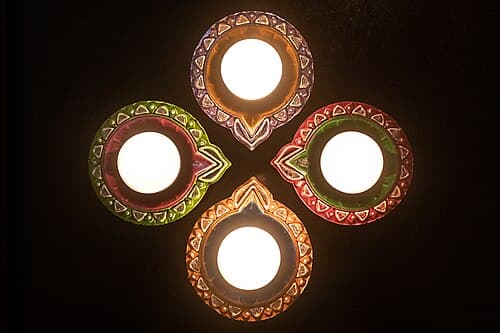
The clay oil lamp is the most fundamental symbol of the dispelling of darkness and the inviting of divine light into one's life.

