
3
Protection
🧲
Horseshoe
United Kingdom
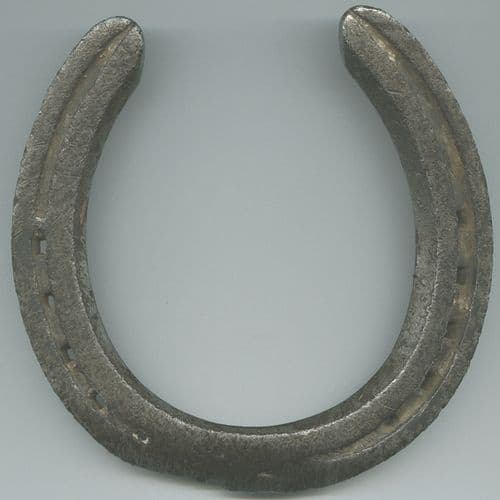
An iron crescent hung above doorways to catch and hold good luck.
4.7Learn more →

Every culture surrounds marriage with protective and luck-attracting rituals. From the British horseshoe to the Indian elephant, discover the wedding lucky charms that have blessed unions across the centuries.
A wedding is perhaps the most charm-laden event in human life. The stakes are high — two people are publicly committing their futures to one another — and the desire for divine favour, protective magic, and blessed beginnings is universal. Virtually every culture on earth has developed specific wedding charms, rituals, and objects intended to ensure the marriage is happy, fertile, prosperous, and protected from the forces that might otherwise pull it apart.
The most famous wedding charm formula in the English-speaking world is so ingrained that many brides follow it without knowing its origins. The rhyme — which most commonly ends "and a silver sixpence in her shoe" — dates to at least Victorian England and encodes a specific protective and luck-attracting logic:
Each element addresses a different dimension of marital wellbeing: emotional continuity, hope, borrowed luck, spiritual protection, and material prosperity. Together they form a comprehensive charm system for the new marriage.
Indian weddings are among the most elaborately ritual-rich in the world, and lucky charms permeate every stage. The elephant — specifically Lord Ganesha, the elephant-headed remover of obstacles — is invoked at the beginning of every Hindu wedding to ensure the ceremony and marriage proceed without impediment.
Elephant figurines, motifs, and images appear throughout Indian wedding decor, and gifts of elephant charms are common. The bride may receive a small Ganesha pendant to wear during the ceremony, placing her marriage under his protection from its very first moments.
Marigold flowers (associated with the sun and with Lakshmi, goddess of prosperity) adorn Hindu weddings in abundant garlands, combining beauty with the specific charm of Lakshmi's abundance blessing.
Chinese wedding charm practice is extraordinarily rich:
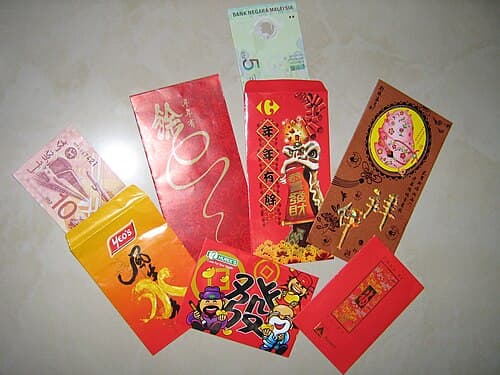
Red envelopes (hongbao) containing cash gifts are a central feature of Chinese weddings — the red colour wards off evil spirits and attracts good fortune, and the monetary gift activates the couple's financial chi for their new life together.
The Double Happiness character (囍, shuāng xǐ) appears on every available surface at traditional Chinese weddings — on cakes, napkins, decorations, and gifts. The character combines two xi (happiness) characters side by side, symbolising the doubling of joy in marriage.
Dragon and phoenix pairs represent the perfect balance of masculine and feminine energies — the dragon (yang) and the phoenix (yin) together create a harmonious, productive, and auspicious union. Wedding cakes, embroidery, and figurines featuring this pairing are among the most traditional and potent wedding charms in Chinese culture.
Japanese wedding tradition is governed by a principle of auspicious symbolism (en-gi), in which every element of the ceremony should carry positive meaning:
One thousand origami cranes (senbazuru) — the crane lives for 1,000 years in Japanese tradition and represents longevity and good fortune. A bride who folds 1,000 paper cranes before her wedding is said to be granted a long and happy marriage. The practice has become a global symbol of peace and devotion.
The kadomatsu (pine and bamboo gate decoration) — pine represents steadfastness and longevity; bamboo represents flexibility and growth. Together they represent the qualities most needed for a lasting marriage.
Sake sharing (san-san-kudo) — the ritual sharing of sake three times from three cups (representing past, present, and future) formally seals the wedding bond and invites the couple to share all of life's experiences together.
The Claddagh ring is one of the world's most elegant wedding charm objects, originating in the Irish fishing village of Claddagh near Galway. Its design — two hands holding a heart topped with a crown — encodes a complete philosophy of love: the hands represent friendship, the heart represents love, and the crown represents loyalty.
Worn on the right hand with the heart pointing outward, the Claddagh signifies availability; pointing inward, it indicates a committed relationship. Worn on the left hand (wedding ring finger) with the heart pointing inward, it declares marriage.
The Claddagh is simultaneously a wedding ring, a betrothal gift, a family heirloom, and a lucky charm for the marriage — all of these functions encoded in a single elegant object.
In Greek, Turkish, Italian, and broader Mediterranean cultures, the wedding is an event of such heightened joy and visibility that it is considered particularly vulnerable to the evil eye — the curse that can be cast, intentionally or not, by the envious or admiring glance of others.
Blue evil eye beads (nazar) are incorporated into wedding decor, attached to bouquets, and pinned inside wedding garments to protect the couple from this specific threat. In Turkey, a nazar boncuğu is frequently the first gift hung in a new couple's home.
In some Greek traditions, the best man carries a protective amulet sewn inside his suit jacket throughout the wedding ceremony, standing as a spiritual bodyguard for the couple as well as a practical one.
Jumping the broom is one of the most powerful and emotionally resonant wedding rituals in African American tradition, with roots in West African customs and the history of enslaved people in the American South who were legally forbidden from formal marriage.
The broom in African and African-derived traditions is a powerful protective charm — it sweeps away evil, marks the threshold between old life and new, and represents the building of a new home together. Jumping the broom together at the conclusion of a wedding ceremony enacts the couple's joint commitment to building and maintaining their new household.
Scandinavian wedding traditions include several charm elements:
Horseshoes — attached to the wedding sleigh (in older traditions) or incorporated into wedding decor — provide general luck protection for the journey ahead.
Myrtle sprigs from the bride's bouquet are planted by female wedding guests in their own gardens. If the sprig takes root and grows, the planter is said to be the next to marry — a living charm that connects weddings through time.
What is striking about wedding charms from every culture is the consistency of what they wish for: lasting love, protection from envy and conflict, fertility, prosperity, and the strength to weather difficulty together. These are not trivial wishes — they are the foundations of human flourishing. The diversity of charms used to seek them reflects the creativity and beauty of human culture; their shared underlying purpose reflects the unity of the human heart.
United Kingdom
An iron crescent hung above doorways to catch and hold good luck.
China
The red envelope (hongbao) is China's most universal good-fortune gift, transferring luck and blessings along with cash at every major life celebration.

Japan
Traditional Japanese wooden Kokeshi dolls are folk art charms originally carved as offerings to mountain deities, now beloved as symbols of love, friendship, and the warmth of human connection.

Brazil
The stone of unconditional love, carried as the most universal charm for opening the heart to romantic love, self-love, and compassionate healing.

Ireland
The rarest clover mutation, treasured as nature's own lucky charm.
From the sixpence in a British bride's shoe to the Korean wild goose and the Mexican wedding lasso, lucky charms and rituals at weddings reveal humanity's universal desire to bless the most important commitment two people can make.
These simple, elegant wooden dolls from Japan's Tohoku region have evolved from folk toys into powerful symbols of love, companionship, and the bonds between people. Discover the rich romantic tradition of the kokeshi.
Pink, gentle, and almost universally beloved, rose quartz has been the crystal of love for millennia. Explore its history, its modern resurgence, and the real reasons it remains the romance crystal par excellence.

