

26
Love
🌸
Rose Quartz
Brazil
The stone of unconditional love, carried as the most universal charm for opening the heart to romantic love, self-love, and compassionate healing.
4.9Learn more →

Pink, gentle, and almost universally beloved, rose quartz has been the crystal of love for millennia. Explore its history, its modern resurgence, and the real reasons it remains the romance crystal par excellence.
There is something almost impossibly soft about rose quartz. Its pale blush colour — ranging from barely-there pink to a deeper dusty rose — seems to invite the eye to linger and the hand to reach out. Hold a piece of rose quartz and it seems to radiate a gentle warmth even before your skin has had time to warm it. It is no surprise that this stone has been associated with love, beauty, and the heart for thousands of years across cultures from ancient Egypt to contemporary South Korea.
Rose quartz has been used as a love talisman since at least 600 BCE, when both Assyrian and Roman craftspeople carved rose quartz into jewellery and small figurines as gifts between lovers. The Romans associated it with Venus, goddess of love; the Greeks with Aphrodite and her mortal lover Adonis.
In one Greek myth, Aphrodite cut herself on a briar while rushing to the aid of the dying Adonis, and her blood mixed with his upon a piece of white quartz, staining it permanently pink. This myth — which may be a later retelling designed to explain the stone's colour — firmly embedded rose quartz in the mythology of love and sacrifice.
Ancient Egyptians used rose quartz in facial masks found in tombs, believing that the stone prevented aging and maintained beauty — an early version of the rose quartz roller that is now a fixture of contemporary skincare.
In the chakra system of Ayurvedic and yogic tradition, the fourth chakra (anahata in Sanskrit) is located at the centre of the chest and governs love, compassion, beauty, and the integration of physical and spiritual experience. It is associated with the colour green in traditional depictions, but the secondary colour of pink is equally linked to it in modern crystal healing practice.
Rose quartz is said to resonate with the heart chakra's frequency, making it the ideal stone for:
Whether or not you accept the literal truth of chakra energy, the metaphorical framework is psychologically coherent: the heart centre is the seat of our capacity for connection and vulnerability, and rose quartz — through its colour, texture, and the practice of intentional use — serves as a focus for cultivating that capacity.
Every major tradition that uses rose quartz for romance emphasises the same foundational principle: rose quartz works first on self-love, and romantic love follows naturally from that.
This is not merely a spiritual belief — it aligns with substantial psychological research on relationship health. People with higher levels of self-compassion (the psychological equivalent of self-love) consistently:
Using rose quartz in a daily self-love practice — holding it during morning meditation, keeping it on your bedside table, or simply placing your hand over your heart and breathing consciously with the stone in your palm — is a simple, beautiful way to develop the inner landscape from which healthy romantic love can grow.
In feng shui, the southwest corner of a home or bedroom governs romantic relationships and is associated with the earth element, the colour pink, and the energy of receptivity. Placing rose quartz in this corner — ideally a rose quartz cluster or a pair of heart-shaped rose quartz stones — is considered one of the most straightforward and effective feng shui love cures.
The pairing matters: a single stone represents the individual; a pair represents partnership. Place two rose quartz hearts together in the southwest corner to symbolise and invite a loving partnership.
Avoid placing rose quartz in the bathroom (where the energy dissipates with water flow) or in the kitchen (where the fire element is dominant and may create conflict rather than warmth).
The contemporary rose quartz revival is remarkable for its speed and breadth. Within the span of roughly a decade, rose quartz has gone from being a relatively obscure crystal healing item to a mainstream consumer product category. Rose quartz facial rollers are stocked by major department stores and pharmacies globally. Rose quartz water bottles sell in the millions. Rose quartz jewellery is among the most gifted items in the "gifts for her" category on major online retailers.
This mainstreaming has sparked debate within crystal healing communities about whether mass-produced rose quartz — often treated, enhanced, or of uncertain geological provenance — retains the same energy as naturally formed, ethically sourced specimens. The consensus among experienced crystal workers tends to emphasise intention over origin: a piece of rose quartz held and used with genuine loving intent carries that intention, regardless of where it was formed.
For self-love: Place your hands over your heart, rose quartz resting in your left palm (the receiving hand). Close your eyes. Take three deep breaths. With each exhale, consciously soften your chest. Spend five minutes sending warmth to yourself — specifically to the parts of yourself you find hardest to love. This is a simple but profoundly effective practice.
For attracting romantic love: Write a brief, clear description of the loving relationship you wish to invite — not describing a specific person but describing the quality of the relationship (kind, playful, honest, mutually supportive). Place the paper under a rose quartz cluster. Read it aloud at each new moon as an act of renewing your intention.
For deepening an existing relationship: Give your partner a piece of rose quartz as a gift with a clear statement of what you love about them. Keep your own piece near your side of the bed. The act of consciously maintaining an intention of loving attention is, in itself, one of the most evidence-based tools for long-term relationship satisfaction.
Cleansing your rose quartz:
Rose quartz's quiet dominance of the love crystal category is earned. Its beauty is accessible and non-intimidating; its symbolic meaning is consistent and clear; its associations are positive in virtually every cultural context. More than almost any other charm, it invites people into a practice of loving attention — toward themselves, toward their desires, and toward the people in their lives.
In a world that often makes love feel scarce and complicated, the simple blush of a rose quartz stone resting in the palm is a small but genuine reminder: love is the ground state of the open heart, always available, always renewable.
Brazil
The stone of unconditional love, carried as the most universal charm for opening the heart to romantic love, self-love, and compassionate healing.

India
The primordial sound of the universe, Om is the most sacred symbol in Hinduism, Buddhism, and Jainism.

Japan
Traditional Japanese wooden Kokeshi dolls are folk art charms originally carved as offerings to mountain deities, now beloved as symbols of love, friendship, and the warmth of human connection.

Ireland
The rarest clover mutation, treasured as nature's own lucky charm.

Brazil
The golden abundance crystal, known as the Merchant's Stone, carried to attract wealth, success, and the warm energy of solar prosperity.
China
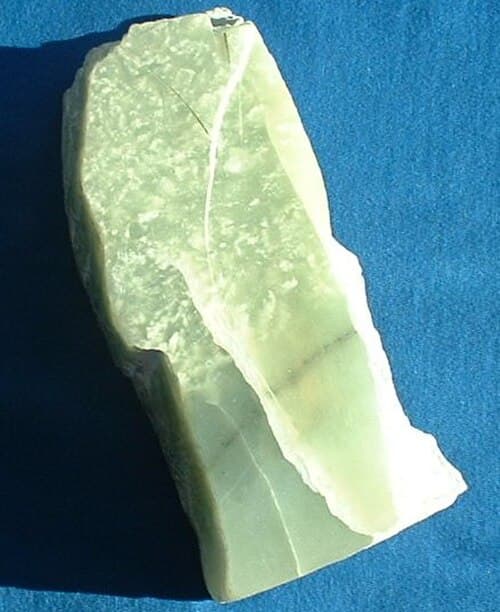
Revered for over 7,000 years, jade is the stone of heaven in Chinese culture, believed to protect health, ward off evil, and connect the wearer to divine virtue.
From the sixpence in a British bride's shoe to the Korean wild goose and the Mexican wedding lasso, lucky charms and rituals at weddings reveal humanity's universal desire to bless the most important commitment two people can make.
These simple, elegant wooden dolls from Japan's Tohoku region have evolved from folk toys into powerful symbols of love, companionship, and the bonds between people. Discover the rich romantic tradition of the kokeshi.
Every culture surrounds marriage with protective and luck-attracting rituals. From the British horseshoe to the Indian elephant, discover the wedding lucky charms that have blessed unions across the centuries.

