
101
General
🪨
Viking Rune Stones
Norway
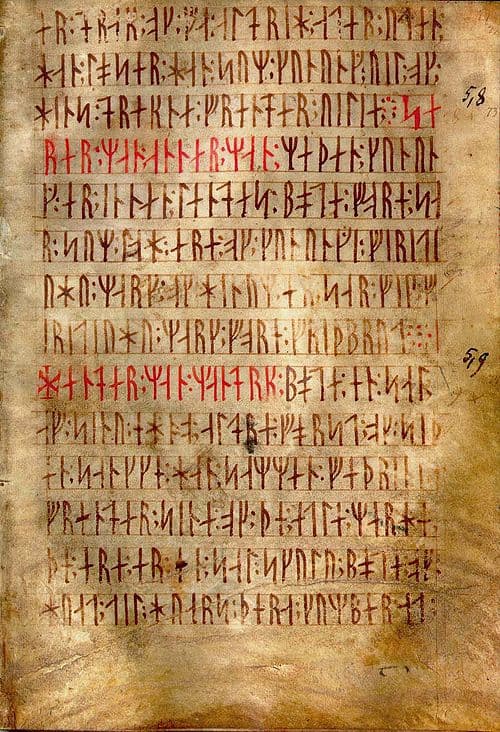
The ancient Norse alphabet stones used for divination and as powerful protective talismans.
4.5Learn more →

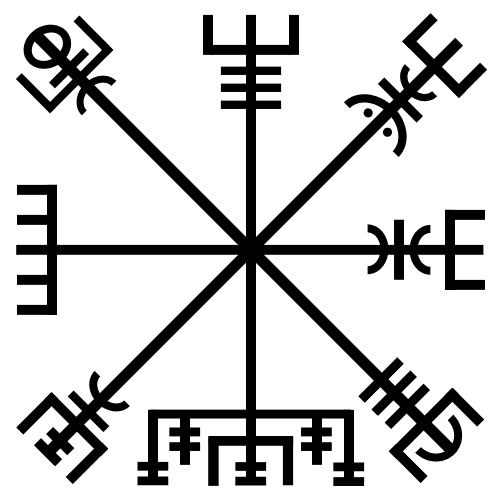
The Norse wayfinder compass that guides its bearer through storms to safe harbour.
The Vegvisir — from Old Norse 'vegr' (way, path) and 'vísir' (guide, pointer) — is a Norse magical stave described in the 17th-century Icelandic Huld Manuscript with the instruction: 'If this sign is carried, one will never lose one's way in storms or bad weather, even when the way is not known.' This explicit statement of function makes the Vegvisir one of the most precisely described magical tools in the Norse tradition.
The symbol resembles a compass rose with eight arms, each terminating in different combinations of rune-like marks. Unlike the Helm of Awe which uses uniform ísaz formations on all arms, each Vegvisir arm is unique — the eight different endings correspond to eight different directional forces, and the symbol as a whole represents the complete navigational system of the Norse cosmos. Iceland, a land of volcanic fog, sea storms, and navigational challenge, generated particular need for magical guidance, which may explain why the most complete descriptions of the Vegvisir come from Icelandic sources.
The symbol became internationally famous in the modern era partly through the Icelandic singer Björk, who has it tattooed on her arm and has spoken publicly about its significance. This exposure connected the ancient Icelandic wayfinding charm to global contemporary spiritual practice, and the Vegvisir is now one of the most widely reproduced Norse symbols worldwide, appearing on everything from jewellery to flags to surfboards.
The Vegvisir represents the assurance that you will find your way even when the path is unclear, the storms are heavy, and familiar landmarks have disappeared. It is the charm of the person who must navigate into the unknown — the sailor, the traveller, the seeker of any kind. It promises not an easy journey but an arrivals: however lost you become, you will find your way to where you need to be.
Wear a Vegvisir pendant when embarking on uncertain journeys — literal travels or metaphorical ones (a new career, a difficult personal transition). Draw the symbol on the first page of a journal used to navigate a challenging period. Hold or touch it when you feel disoriented and need to trust that a way forward exists even if you cannot yet see it.
The Vegvisir appears in the Huld Manuscript (c. 1860) alongside dozens of other magical staves, all of which were collected from earlier Icelandic folk magic traditions. The manuscript is held at the University of Iceland in Reykjavik and remains one of the primary sources for Icelandic galdrastafir (magical stave) study.
The Vegvisir is often called the Norse or Viking compass, but it is a magical rather than mechanical navigation tool. Historical Norse sailors used sun stones (calcite crystals) and star navigation; the Vegvisir was a spiritual guide, not a physical instrument. The compass-rose resemblance is visual and metaphorical.
The Helm of Awe (Ægishjálmr) is a protective symbol designed to confound enemies and provide invincibility in conflict. The Vegvisir is a wayfinding symbol designed to ensure the bearer does not become lost. Both are eight-armed staves, but their purposes and arm designs are different.
Björk's global platform and her authentic connection to Icelandic culture meant her discussion of the symbol introduced it to millions of people who might otherwise never have encountered Norse magic traditions. Her use of it is considered authentic rather than appropriative, which made it a trusted gateway for wider interest.
Norway
The ancient Norse alphabet stones used for divination and as powerful protective talismans.

Norway
The mighty hammer of the thunder god, worn as protection across the Viking world.
Iceland
The Norse symbol of invincibility that Viking warriors wore before battle.

