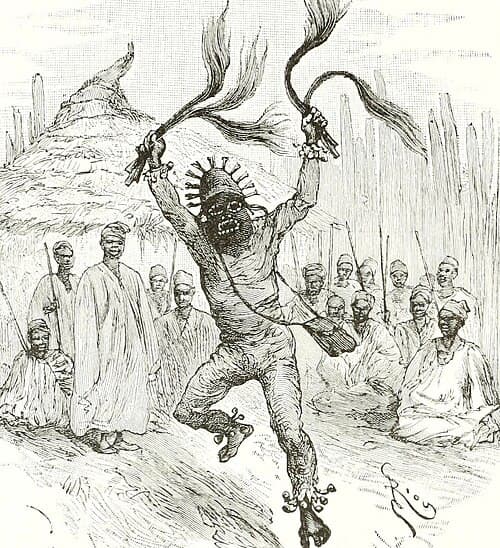
An elaborately painted Venezuelan Diablos Danzantes mask with multiple horns, fangs, and vivid red and orange decoration
Protection#321 of 489 in the WorldVenezuela (Corpus Christi tradition, UNESCO heritage)

Venezuelan Devil Dancer Mask

The fearsome papier-mâché devil mask of Venezuela's Corpus Christi celebrations — a syncretism of Catholic and African traditions that transforms the devil into a dancer praising God.

4.6Popular in 1 country

About Venezuelan Devil Dancer Mask

Venezuela's Diablos Danzantes (Dancing Devils) represent one of the most extraordinary examples of Catholic-African religious synthesis in South America — a tradition in which elaborately masked devil figures dance through the streets on Corpus Christi to demonstrate the triumph of divine grace over evil, and in doing so paradoxically honor the very divine power that conquers them. Recognized by UNESCO as an Intangible Cultural Heritage of Humanity in 2012, the Diablos Danzantes are maintained by brotherhoods (cofradías) in towns across Venezuela, particularly in San Francisco de Yare south of Caracas.

The masks are among the most spectacular folk art objects in South America — massive papier-mâché heads painted in vivid colors, with multiple horns, fangs, wild eyes, and often small decorative animals. Each mask takes months to complete and is intensely personal, the physical form of the dancer's spiritual vow to the devil-dancer brotherhood. The costumes, in red (the devil's color) with colored ribbons, incorporate Catholic scapulars and medals, turning the devil's body into a declaration of Catholic devotion embedded in African-derived spiritual practice.

The philosophical meaning is subtle and profound: by becoming the devil and dancing to honor God, the dancer simultaneously acknowledges and defeats evil, demonstrates that even the most fearsome forces ultimately bow to divine will, and participates in an act of communal spiritual protection for the entire town.


Meaning

The Venezuelan devil dancer mask represents the power of devotion to transform even the most frightening forces into servants of the sacred. It embodies the understanding that true spiritual protection comes not from avoiding darkness but from engaging with it through faith, joy, and community — and thereby winning its acknowledgment of divine authority. The mask protects through the paradox of the conquered wearing the conqueror's face.

🙌

How to Use

Display a Venezuelan devil mask in your home as a paradoxical protective charm — the devil who has been converted to service, who now works for divine rather than destructive purposes. Use this imagery when facing situations where you need to transmute fear into power, when you must engage with difficult forces and come through transformed rather than defeated.

Fun Fact
💡

The cofradías (brotherhoods) that maintain the Diablos Danzantes tradition in Venezuela have existed for hundreds of years, and membership is often hereditary — the tradition passes from fathers to sons, from mothers to daughters. Members make vows to the brotherhood that can include lifelong service, and missing a year's participation (barring serious illness) is considered a serious breach of a sacred covenant.

Popular in These Countries

Frequently Asked Questions

Why do Catholic religious celebrations feature devil figures?

The devil figure in Corpus Christi celebrations demonstrates Catholic theology of victory over evil — by showing the devil explicitly defeated and subordinated to divine celebration, the tradition makes the theological claim concrete and visible. In Afro-Caribbean and South American contexts, the devil figure also absorbed elements of African religious beings who were demonized by colonizers, turning the colonizer's negative label into a figure of communal spiritual power.

How are Venezuelan devil masks made?

The masks are built from papier-mâché over clay molds, with multiple layers applied and dried before painting. The horns are separately formed and attached to the main head structure. Painting is done in vivid acrylic colors with each mask having its own unique design. The process typically takes three to six months for a fully elaborated competition mask.

Can I visit the Diablos Danzantes festival in Venezuela?

The festival occurs annually on Corpus Christi (a date that moves with the Catholic calendar, typically in May or June). San Francisco de Yare south of Caracas is the most famous location. La Victoria and Naiguatá also maintain strong traditions. Visitors are generally welcome to observe and photograph the processions as long as they follow local protocols about photography and religious observance.

Related Charms