

80
Protection
🔴
Bindi
India
The decorative forehead dot marks the ajna chakra, protecting the wearer and concentrating intuitive power.
4.5Learn more →


The sacred red mark applied to the forehead activates the ajna chakra and marks the body as consecrated to the divine.
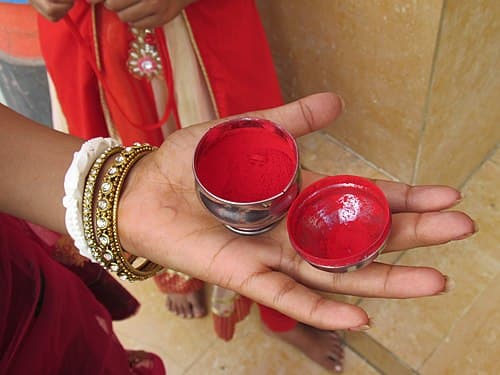
Kumkum is a red powder, traditionally made from turmeric mixed with slaked lime, used to create the tilak — a mark applied to the forehead between the eyebrows at the location of the ajna chakra (third eye). In Hindu tradition, the tilak is one of the most fundamental acts of daily worship and self-consecration. It marks the body as dedicated to the divine, activates the seat of wisdom and intuition at the center of the brow, and signals to the world that the wearer is a practicing Hindu who has performed their morning prayers. The red color is associated with Shakti (divine feminine power), auspiciousness, and the life force.
Different shapes and colors of tilak carry different sectarian and ritual meanings. Vaishnavas (devotees of Vishnu) typically apply a U-shaped white tilak with a red center stripe using sandalwood paste and kumkum. Shaivites apply three horizontal lines (vibhuti, sacred ash) with a red dot. Shaktas apply a red dot or triangular mark. At puja ceremonies, priests apply tilak to devotees as a transmission of blessing, and the deity's tilak is applied to the forehead of worshippers as prasad (grace). The forehead mark is thus simultaneously a personal spiritual practice, a social identifier, and a physical inscription of divine blessing.
Modern neuroscience has noted that the area between the eyebrows where the tilak is applied corresponds to the prefrontal cortex and the pineal gland — regions associated with intuition, foresight, and higher consciousness. Whether or not one accepts a neurological explanation, millions of people across South Asia report that the simple act of applying tilak each morning focuses their intention and creates a palpable sense of clarity for the day ahead.
Divine consecration of the body, activation of the third eye (ajna chakra), auspicious beginning of the day, and protection through sacred marking.
Apply kumkum tilak to the center of the forehead between the eyebrows using the ring finger (associated with the sun and vitality) after morning prayers. Offer tilak to guests as a blessing upon arrival. Apply to new objects, vehicles, and thresholds during consecration ceremonies. A small bindi sticker is the modern form for everyday wear.
During the festival of Holi, the original celebration before it became a festival of colors was specifically a festival of kumkum — devotees would smear sacred red powder on each other as an act of mutual blessing. The expansion to all colors came later in popular practice.
Both are red powders, but they have different ritual uses. Kumkum is used for general worship, tilak markings, and festival applications by both men and women. Sindoor is specifically the red powder applied to the parting of a married Hindu woman's hair, symbolizing her marital status and her husband's longevity.
Yes, and traditionally men do. The practice of men wearing tilak daily has declined in urban settings, but in rural and traditionally observant communities it remains widespread. Different shapes carry different meanings: the Vaishnava U-shape, Shaivite triple line, or a simple dot are all common forms for men.
Functionally similar but slightly different. Kumkum powder is loose and applied fresh daily. Red bindis today are usually adhesive stickers made from synthetic materials. Traditional observant women apply loose kumkum as a bindi; decorative bindis come in many colors and shapes and are primarily ornamental rather than ritual.
India
The decorative forehead dot marks the ajna chakra, protecting the wearer and concentrating intuitive power.
India
The ornate container for sindoor (vermilion) is a sacred object symbolizing marital love, a wife's protection of her husband, and the divine feminine.
India
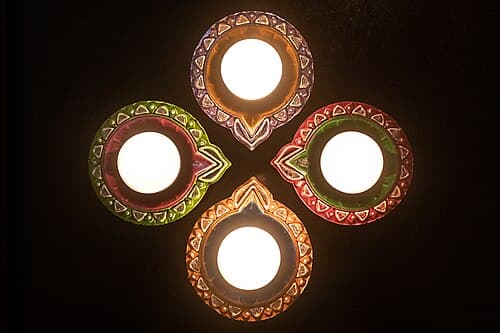
The clay oil lamp is the most fundamental symbol of the dispelling of darkness and the inviting of divine light into one's life.
India
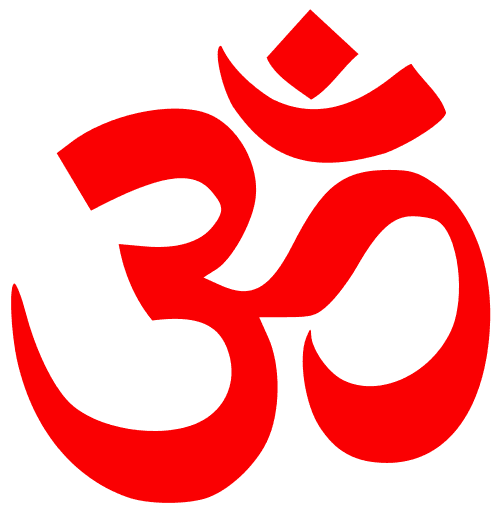
The primordial sound of the universe, Om is the most sacred symbol in Hinduism, Buddhism, and Jainism.

