
8
Health
💚
Jade
China
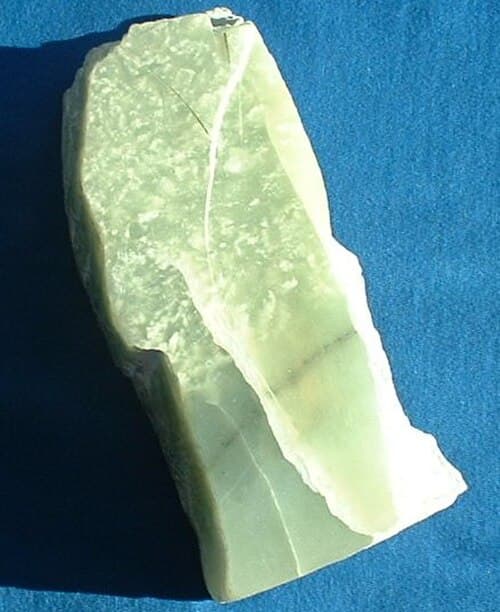
Revered for over 7,000 years, jade is the stone of heaven in Chinese culture, believed to protect health, ward off evil, and connect the wearer to divine virtue.
4.9Learn more →

Every human culture has developed its own system of healing charms. From Australian Aboriginal spirit stones to Native American medicine pouches, explore the remarkable global tapestry of health-focused talismans.
Long before the first hospital was built or the first antibiotic synthesised, human beings were placing sacred objects on their bodies, around their homes, and in the hands of their sick to invite healing. The healing charm is perhaps the oldest category of lucky talisman — rooted in the fundamental human need to feel that something can be done in the face of illness and suffering.
What is remarkable is not that healing charms exist, but how consistent their underlying principles are across cultures that had no contact with one another. Virtually every tradition associates healing with natural materials (stones, plants, animal parts), with specific colours (particularly green, blue, and white), and with the channelling of a divine or natural force through the practitioner or the charm itself.
In many sub-Saharan African traditions, healing is understood as a restoration of balance between the individual and the natural and ancestral worlds. Healing charms reflect this:
West African Gris-gris bags (from the Mande traditions) contain an assortment of natural materials — herbs, stones, animal bones, written prayers — assembled by a healer (griot or marabout) for a specific healing purpose. The bag is worn on the body to maintain constant contact with its healing energy.
South African sangomas (traditional healers in Zulu, Xhosa, and Sotho traditions) use muti charms — small bundles of roots, bark, and organic material — to address physical and spiritual ailments simultaneously. The healing is understood to flow from the ancestors through the sangoma into the charm and then into the patient.
Ethiopian healing scrolls, still produced and worn today, are tiny manuscripts containing Ge'ez prayers and sacred images, rolled into tubes and worn as pendants. Specific prayers target specific conditions: protection from the evil eye, recovery from fever, safe childbirth.
Asia's healing charm traditions are among the world's most ancient and systematically developed.
Jade in Chinese medicine has a history of at least 8,000 years. The Huangdi Neijing (Yellow Emperor's Classic of Medicine), the foundational text of Chinese medicine, references jade's cooling and balancing properties. Jade rollers are still used in contemporary skincare; jade pendants are worn against the skin to regulate the body's chi and promote organ health.
Japanese omamori — small brocade pouches available from Shinto shrines — come in health-specific varieties (kenko omamori) and are renewed annually at the shrine, with the old charm respectfully burned in a sacred fire. The charming combination of ritual renewal and sacred connection makes omamori among the most emotionally resonant healing charms in current practice.
Ayurvedic healing gemstones in India assign specific stones to the nine planets (navaratna), with each planetary gem believed to influence corresponding organs and bodily systems. An astrologer-recommended ruby, for example, might be worn to strengthen the heart (ruled by the Sun); pearl for the mind and nervous system (Moon).
Tibetan singing bowls and prayer beads — though more meditative than strictly talismanic — are used in healing rituals where the vibration of sound and the physical act of counting prayers are believed to stimulate healing chi within the body.
European healing charm traditions blend Celtic, Germanic, Roman, and Christian influences into a rich and often eclectic system.
Amethyst has been considered a healing stone in European tradition since ancient Greece, where it was believed to prevent intoxication and calm the mind. Medieval physicians set amethyst in rings to be touched to plague sores; medieval monks carved it into signet rings to seal documents blessed with healing prayers.
The Evil Eye bead (Nazar) — more commonly associated with protection than healing — was also used therapeutically across the Mediterranean. When someone was believed to have "caught" the evil eye (manifesting as unexplained illness or misfortune), specific rituals involving blue glass beads, olive oil, and water were performed to diagnose and lift the hex.
Hagstones — naturally holed stones found on beaches — were hung over beds in British folk tradition to prevent nightmares and protect against illness. Seeing the moon or sunrise through the hole was believed to restore health.
Holy wells throughout Ireland, Scotland, and Wales received offerings of rags, pins, and coins as healing petitions. The offerings were left on nearby trees (clootie trees), and the disease was believed to pass into the fabric as it decayed.
Indigenous healing traditions across the Americas emphasise the integration of physical, spiritual, and community healing.
Native American medicine bundles are highly personal and culturally specific assemblages of sacred objects — stones, feathers, herbs, animal parts — whose contents and use are often kept private between the bundle keeper and their spiritual advisor. The bundle is a living relationship with healing powers, not merely a collection of objects.
Guatemalan worry dolls (muñecas quitapenas) are tiny figures, traditionally made of wire and colourful thread, that are told worries and placed under a pillow. While primarily associated with anxiety and sleep, their underlying purpose — externalising emotional burdens to a symbolic repository — has demonstrable therapeutic value recognised by modern psychology.
South American curanderismo blends indigenous plant medicine with Catholic iconography and folk magic to create a healing system in which charms, prayers, and plant remedies work together. Huayruro seeds — the brilliant red and black seeds of the Ormosia coccinea plant — are strung into bracelets and worn for protection and physical vitality across Peru and Brazil.
Pacific Island healing traditions reflect the intimate relationship between island peoples and the natural world.
Australian Aboriginal healing stones — specific rocks believed to house the spirits of ancestors with healing powers — are held, rubbed, or placed on the body by traditional healers (ngangkari) during healing ceremonies. The stone serves as a conduit for ancestral wisdom and life force.
Hawaiian kahuna la'au lapa'au (healing priests) used a combination of plant medicine, prayer, and sacred objects including pohaku (sacred stones) and carved kukui nut lei to address illness. The kukui nut, associated with light and enlightenment, was strung with specific knots and patterns that carried healing intentions.
Maori healing in New Zealand involves pounamu (greenstone or jade), whose mana (spiritual power) is amplified by the lineage of its carver and the ceremonies through which it is gifted. Pounamu pendants are not purchased as commodities but given with deep intentionality, and their healing power is understood to grow with the depth of the relationship through which they pass.
Across all these traditions, certain patterns repeat with striking consistency:
1. Natural materials are preferred — stone, plant, bone, shell — substances understood to carry the vitality of the living world 2. Colour carries meaning — green and blue for healing, white for purity, red for vitality 3. Intention and ceremony matter — the ritual of acquiring and activating the charm is inseparable from its efficacy 4. The healer's role is central — charms are most powerful when given by someone with spiritual knowledge and relationship 5. Healing encompasses body, mind, and spirit — no tradition in this survey treats physical illness as purely physical
These consistencies suggest that healing charms, across their vast cultural diversity, are expressions of the same fundamental human insight: that healing is not merely the absence of disease, but the restoration of wholeness — and that wholeness requires tending not just the body, but the soul.
China
Revered for over 7,000 years, jade is the stone of heaven in Chinese culture, believed to protect health, ward off evil, and connect the wearer to divine virtue.

Brazil
The stone of unconditional love, carried as the most universal charm for opening the heart to romantic love, self-love, and compassionate healing.

India
The primordial sound of the universe, Om is the most sacred symbol in Hinduism, Buddhism, and Jainism.
Tiny figures made of wire and thread, worry dolls have helped generations of Guatemalan children sleep peacefully. Modern psychology is now confirming what indigenous wisdom has long known about externalising anxiety.
No stone has been more consistently revered for its healing properties across more cultures and millennia than jade. From Neolithic China to pre-Columbian Mesoamerica, trace jade's extraordinary journey as the world's premier healing gem.
Millions of people around the world use crystals for healing and wellbeing. But what does the research actually say? We examine the evidence honestly — and find a more nuanced story than either believers or sceptics typically tell.

