
5
Protection
🖐️
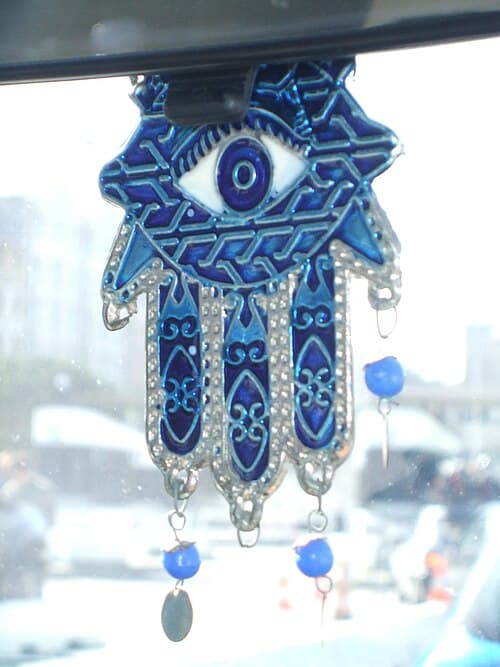
Hamsa Hand
Middle East
An open palm amulet warding off the evil eye across Middle Eastern and North African cultures.
4.9Learn more →

A protection charm bundle — sometimes called a mojo bag, medicine pouch, or gris-gris — is one of the most personal and powerful protective tools you can create. Here is how to make one that works.
Throughout human history, one of the most consistent protective practices across virtually every magical and folk healing tradition is the assembled charm bundle — a collection of protective objects, herbs, and stones held together and carried or placed in specific locations to create a field of protection. Known variously as the mojo bag (Hoodoo), gris-gris (West African–derived traditions), medicine bundle (Native American traditions), mala (South Asian traditions), or simple charm bag (European folk magic), the bundled charm is among the most enduring and versatile of all protective tools.
Creating your own protection bundle is a deeply personal act — and that personalism is part of what makes it effective. A bundle made with your own hands, filled with objects chosen for specific meanings, and activated with conscious intention carries your energy and purpose in a way that no purchased object can.
Before gathering materials, it helps to understand the underlying principles that protection bundles operate on across traditions:
Sympathetic magic: Like attracts like, and specific objects carry the qualities associated with their origins. Iron repels evil (ancient European tradition). Salt purifies and protects (nearly universal). Black tourmaline absorbs negativity (crystal healing tradition). Cedar smoke clears and protects (Native American tradition).
Intention is the activating force: Every tradition agrees that a bundle is only as powerful as the intention placed in it. The physical materials are vessels for intentional energy, not independent agents. Making your bundle with conscious attention to what you are protecting against and what you are inviting in is not optional — it is the work.
Specificity matters: A bundle made for general protection is less powerful than one made for specific protection against a specific threat. "Protect me from harm" is less activating than "protect my home from arguments and hostile energy" or "protect my creative work from self-doubt and external criticism."
The container shapes both the practical and symbolic character of your bundle:
Fabric pouch: The most traditional option — a small drawstring bag in a protective colour (black, white, red, or blue). Natural fabrics (cotton, linen, wool, leather) are preferred over synthetic materials. Red is used in Hoodoo for personal protection; black for repelling negativity; white for general blessing and purity.
Natural materials: Some traditions use a dried and hollowed gourd, a piece of birch bark, a small wooden box, or a leather pouch. The container itself contributes its material's protective qualities to the bundle.
Size: Protection bundles are generally small enough to carry on the body (in a pocket, inside a jacket, clipped to a bag) or small enough to be hidden in a fixed location (under a mattress, inside a doorframe, beneath a welcome mat).
Stones and crystals:
Herbs and botanicals:
Other materials:
In addition to herbs and stones, small talismanic objects amplify the bundle's power:
The ritual of assembly is as important as the ingredients. Choose a quiet time — ideally at a new moon (for new beginnings) or full moon (for maximum power). Gather your materials in a clean, calm space.
Step 1: Cleanse Smudge your work space, your container, and your materials with sage, palo santo, or cedar smoke. Pass each item through the smoke, asking that it be cleared of any previous energy and consecrated to your protective purpose.
Step 2: Set your intention Before placing anything in the container, take several slow breaths and become specific about what you are protecting. Write your intention on a small piece of paper: "This bundle protects [your name] from all harm, negativity, and ill will. I am safe, clear, and held in the light of my own highest good."
Step 3: Layer your ingredients Place items into the container with mindful attention, speaking (aloud or internally) the protective quality of each item as you add it: "I add black tourmaline for psychic protection. I add rosemary for purification and remembrance. I add this evil eye bead to reflect all malevolence back to its source."
Step 4: Close and seal Draw the bag closed or tie it with three knots, each knot sealing your intention. As you tie each knot, state your intention again.
Step 5: Activate Hold the sealed bundle in both hands and breathe onto it — your breath carries your life force into the bundle. Hold it against your heart. Some traditions recommend sleeping with the new bundle under your pillow for its first night.
Personal carry bundle: Keep in your left pocket (closest to the heart), inside your jacket, or in a bag you carry daily. The bundle is working constantly when it is near you.
Home protection bundle: Place under the main doorstep or threshold, under the master bed, in the four corners of the home (one bundle per corner), or above the front door inside the frame. These locations represent the points of entry through which protective energy is most needed.
Refreshing: Most traditions recommend refreshing or renewing a protection bundle every six to twelve months. Some indicate that a bundle has done its work when it develops an unpleasant smell or when specific items inside seem to have faded or deteriorated.
Disposal: When a bundle is retired, it should be disposed of respectfully — ideally buried in earth (returning the materials to the earth from which they came), burned in a safe fire, or released into moving water.
If you draw on the specific practices of a particular cultural tradition — Hoodoo, Native American medicine bundle practice, West African gris-gris — take the time to learn that tradition from within-community teachers and sources. Use protection bundle practice in a spirit of genuine engagement with the wisdom of the traditions you draw from, not as a superficial appropriation of their aesthetics.
Your protection bundle will be most powerful when it is most genuinely yours — when the ingredients carry real meaning for you, the intention is specific and heartfelt, and the ritual of making is undertaken with true attention. The protection you create is, ultimately, an expression of your own clarity, your own love for what you are protecting, and your own relationship with the forces you invite to stand guard.
Middle East
An open palm amulet warding off the evil eye across Middle Eastern and North African cultures.
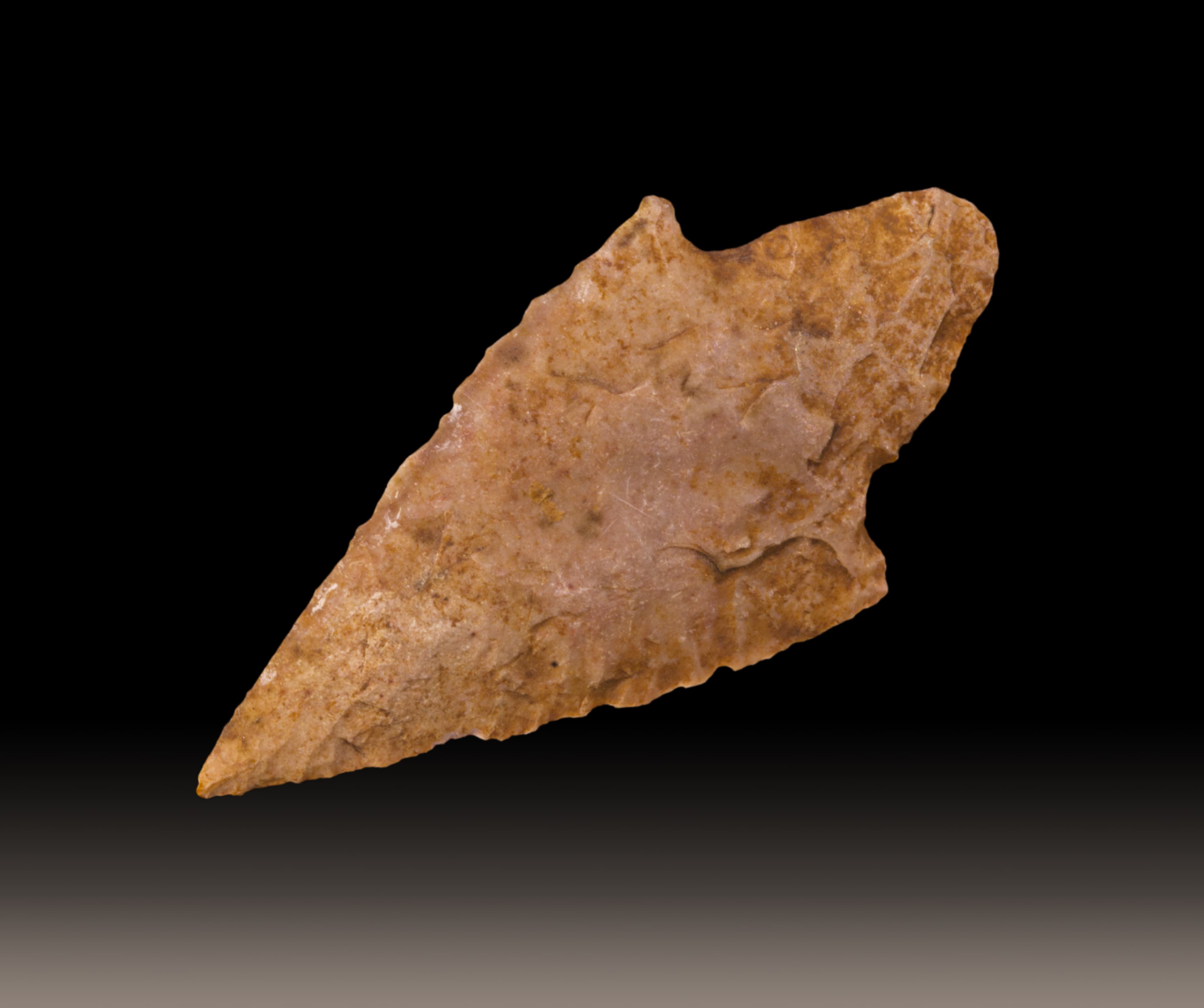
Pan-Indigenous North America
Ancient stone points worn as amulets to deflect evil spirits and negative energy, honoring the skills of ancestral hunters.

Ojibwe Nation, North America
A woven hoop hung above the bed to filter nightmares and allow only good dreams to pass through.

India
The primordial sound of the universe, Om is the most sacred symbol in Hinduism, Buddhism, and Jainism.

Brazil
The stone of unconditional love, carried as the most universal charm for opening the heart to romantic love, self-love, and compassionate healing.
The hamsa is one of the world's oldest protective symbols, revered across three Abrahamic religions and pre-dating all three. Discover the rich history and cross-cultural significance of the hand that protects.
The dreamcatcher is one of the most widely sold Native American-inspired objects in the world. But its true origins, meanings, and proper use are far richer and more specific than most people know.
From ancient Mesopotamia to modern Instagram aesthetics, the evil eye — and the charms made to ward it off — may be the single most widespread protective talisman in human history. Discover why.

