
255
Protection
🛡️
Kenyan Maasai Shield
Kenya
Distinctive painted Maasai warrior shield that protects against physical and spiritual harm.
4.7Learn more →

Iconic beaded collar worn by Maasai women, encoding social status, clan identity, and spiritual protection.
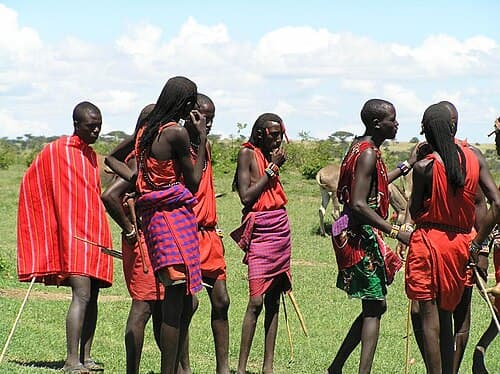
The Maasai people of Kenya and Tanzania are among the most recognizable cultures in Africa, and their elaborate beaded jewelry — particularly the wide, disc-shaped beaded collars worn by women — is known worldwide. Far from being purely ornamental, Maasai beadwork is a complex communication system: the colors, patterns, and the size of ornaments signal the wearer's age-group, clan, marital status, and social achievements. A young woman's collar will look entirely different from that of a married woman or an elder, and a knowledgeable Maasai person can read these distinctions instantly. The beadwork is made primarily by women, who begin learning the craft in childhood and continue throughout their lives.
The spiritual dimension of Maasai beadwork is equally significant. Certain colors carry protective properties: red (the color of Maasai warrior ochre) wards off enemies and evil spirits; blue brings blessings from the sky and the water needed by their cattle; white reflects purity and the milk that is central to Maasai life; and green represents the land's fertility. When a Maasai elder or traditional healer (laibon) blesses a beaded piece, it becomes a formal protective charm, believed to shield the wearer from illness, injury, and spiritual attack.
Maasai beaded necklaces have entered global fashion and spiritual markets, where they are used as symbols of African connection, natural living, and spiritual protection. Even outside their original context, pieces made by Maasai artisan cooperatives carry the intention and skill of their makers. Many buyers find that wearing genuine Maasai beadwork brings a sense of grounded confidence and vitality that they associate with the Maasai's own famous resilience and dignity.
Protection, social identity and belonging, spiritual alignment with the natural world, cattle prosperity, and the warrior virtues of courage and endurance.
Wear a Maasai beaded necklace or bracelet as personal protection, particularly during travel or challenging periods. Red and white beads together are considered especially protective. Choose colors intuitively based on what you need: blue for blessings, green for health and abundance, white for clarity.
The famous Maasai red ochre body paint — applied to warriors during ceremonies — and the red beads in their jewelry connect to the same symbolic language. Red is the color of blood (life force), fire (transformation), and the Maasai cattle herds (wealth). When warriors wear red, they are literally and symbolically armoring themselves with these powers.
When purchased directly from Maasai artisans or fair-trade cooperatives, most Maasai craftspeople welcome non-Maasai buyers. They distinguish between respectful wearing and commercial exploitation without credit. Avoid buying mass-produced imitations that profit from Maasai aesthetics without benefiting Maasai communities.
Red: warrior strength and blood/life force. Blue: sky and water (blessings). Green: land and health. White: milk and purity. Orange/yellow: hospitality and fertility. Black: hardship and the strength to endure it. These meanings are broadly shared but can vary between regions and clans.
Using small glass seed beads threaded on wire or sinew, then worked into patterns using needles. The wide collar style (called an enkiama) is built on a circular frame of wire. A single large collar can take weeks to complete and requires hundreds of hours of skilled work.
Kenya
Distinctive painted Maasai warrior shield that protects against physical and spiritual harm.
South Africa
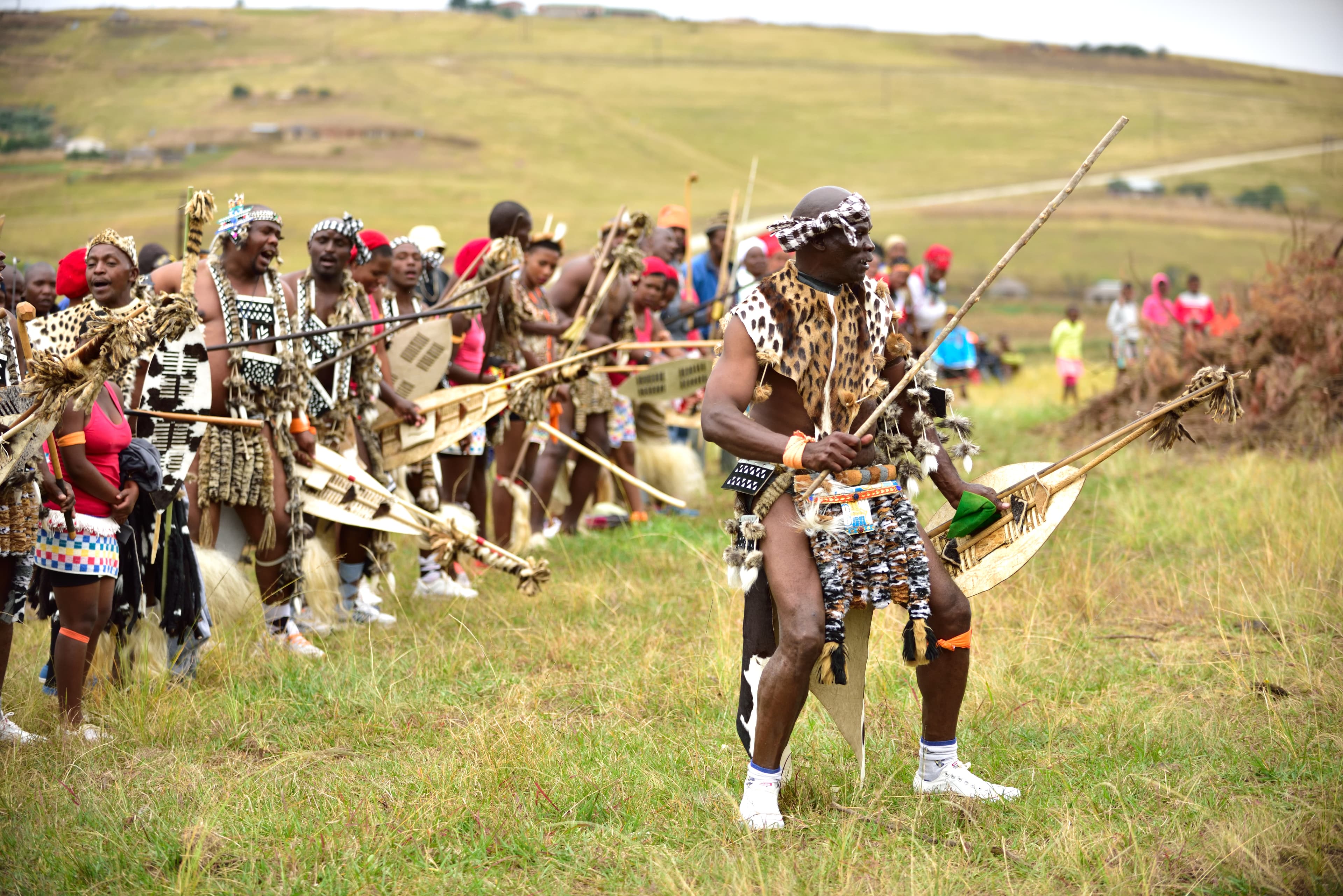
Beaded communication from Zulu culture where colors and patterns encode messages of love and longing.

West Africa
Ancient African currency and fertility symbol used across the continent for centuries.

