

118
Protection
🟢
Maori Greenstone (Pounamu)
New Zealand
Sacred New Zealand jade carried as a living charm of spiritual authority, healing, and the enduring power of the land.
4.9Learn more →

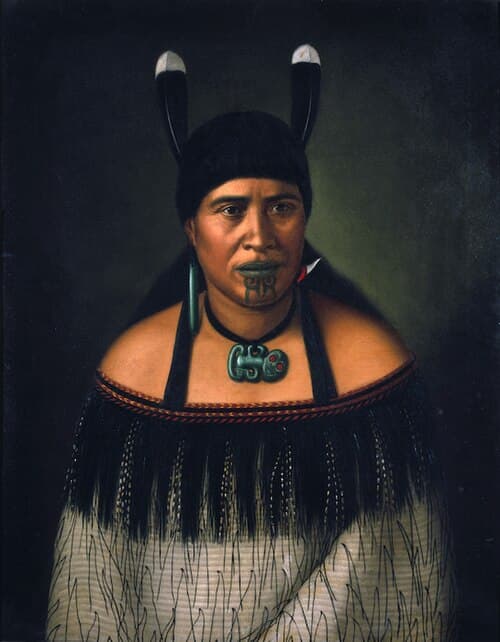
The sacred humanoid pendant of the Maori, worn as a powerful charm of ancestral protection, fertility, and good fortune.
The Hei-tiki is among the most recognised and revered taonga (treasures) of Maori culture. These small humanoid pendants — typically carved from pounamu (greenstone/jade) — depict a figure with a tilted head, large round eyes, and arms resting on bent knees. The figure is thought by some scholars to represent a human foetus, linking it to fertility and the continuity of life; others connect it to Tiki, the first man in Maori cosmology, making it a charm of primordial human power. Both interpretations speak to creation, life, and the profound responsibility of existence.
Historically, Hei-tiki were among the most valued objects in Maori society. They were passed down through generations, absorbing the mana (spiritual authority) of each ancestor who wore them. A tiki with many generations of whakapapa (genealogical history) was considered to carry immense protective and auspicious power. When worn, it was believed to safeguard the wearer from harm, attract good fortune, and maintain connection to the wisdom of those who had come before.
Today, Hei-tiki remain among New Zealand's most culturally significant objects. Those of Maori descent wear them as expressions of identity and as living connections to whakapapa. Non-Maori admirers who wear them respectfully — ideally purchasing from Maori carvers — engage with one of the Pacific's most potent protective traditions. The charm is especially prized by those seeking protection during important transitions, by expectant parents, and by anyone who values ancestral wisdom.
Ancestral protection, fertility, good fortune, the mana of generations, and the sacred responsibility of carrying life forward.
Wear the Hei-tiki against the skin, close to the heart or throat, where its energy can flow into you. Before wearing, dedicate it by stating your intention — protection, fertility, or connection to ancestry. If inherited, research its history; if new, begin building its story through your own significant moments.
The word 'hei' means 'to wear around the neck' in Maori — so 'Hei-tiki' literally translates as 'neck ornament depicting Tiki.' Because old tikis absorbed the mana of their wearers over time, some museums keep them in special conditions with periodic access for Maori communities to reconnect with them spiritually.
This is a nuanced question. Many Maori people are comfortable with non-Maori wearing tikis purchased from Maori carvers as an act of appreciation, but wearing one as a costume accessory is considered disrespectful. Always purchase from a Maori artist and wear with genuine reverence.
It should never be placed on the floor or in areas considered unclean. Store it in a dedicated pouch or box in a clean, respectful location. Pounamu responds well to occasional cleansing under running fresh water.
Genuine New Zealand pounamu (nephrite jade or bowenite) is cool to the touch, slightly translucent, and has a waxy lustre. By law, pounamu can only be sold by Maori-owned businesses operating under Ngai Tahu authority if marketed as authentic New Zealand greenstone.
New Zealand
Sacred New Zealand jade carried as a living charm of spiritual authority, healing, and the enduring power of the land.
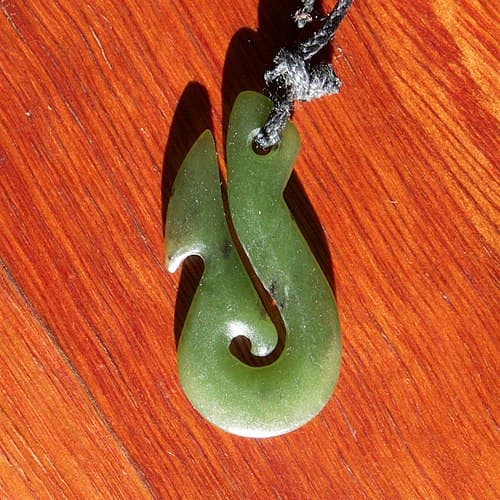
New Zealand
The sacred Maori fish hook pendant, worn as a charm of prosperity, safe sea travel, and the strength to draw abundance from any ocean.

New Zealand
The unfurling silver fern spiral of Maori art, worn as a charm of new beginnings, growth, and the continuous renewal of life.

