

27
Wealth
💛
Citrine Crystal
Brazil
The golden abundance crystal, known as the Merchant's Stone, carried to attract wealth, success, and the warm energy of solar prosperity.
4.8Learn more →

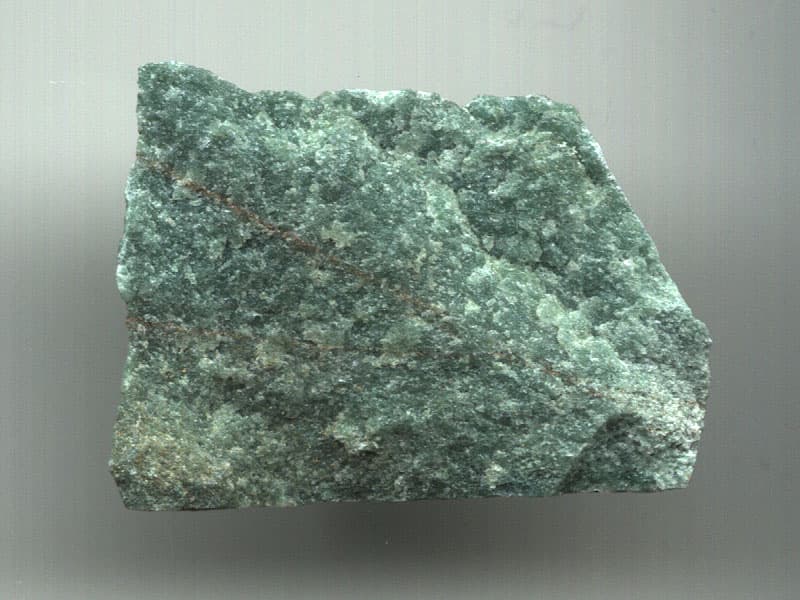
The shimmering green stone of opportunity and good luck, carried as the ultimate charm for attracting prosperity, positive outcomes, and the grace of fortunate timing.
Aventurine is a variety of quartz containing small, plate-like inclusions of fuchsite (a chromium-rich mica) that produce a glittery, metallic shimmer called aventurescence. Green is the most common and most valued colour, though red-brown, blue, and orange varieties also exist. India is the world's primary source of green aventurine; Brazil and Russia also produce commercial quantities. The stone's name comes from the Italian a ventura — 'by chance' or 'by luck' — referencing both its association with good fortune and the accidental discovery of the glass variety (goldstone) that preceded the naming of the natural stone.
Aventurine is sometimes called the 'Stone of Opportunity' and is considered one of the luckiest crystals in contemporary crystal healing traditions. It is particularly associated with the kind of luck that comes from being in the right place at the right time — the grace of fortunate circumstances converging. Its green colour links it strongly to the heart chakra, abundance, nature's generative power, and the growth mindset that recognises and seizes opportunities when they appear.
In Chinese tradition, aventurine was associated with the prosperity energy of jade (pounamu), and green stones generally have been considered bearers of good fortune across East Asian cultures. Aventurine is particularly recommended for situations involving chance — gambling, lotteries, competitions, and any endeavour where good fortune needs a nudge. It is also used for interviews, exams, and new beginnings where you wish the universe to smile on your efforts.
Lucky good fortune, the grace of right timing, opportunity recognition, abundant prosperity, and the optimistic openness to everything positive that luck requires.
Carry a tumbled aventurine when gambling, entering competitions, or doing anything chance-dependent. Keep in a wallet or purse for continuous prosperity attraction. Place in the left pocket (receiving side) before interviews or important meetings. Charge in sunlight on a windowsill on a new moon.
The original 'aventurine glass' — goldstone — was accidentally discovered by Venetian glass workers in the 17th century when copper filings fell into molten glass, creating a brilliantly sparkling material that was initially kept secret as a commercial monopoly. The natural stone was subsequently named after this accidental human creation, rather than the other way around.
No — both are green stones but completely different minerals. Jade (nephrite or jadeite) is significantly denser, harder, and more valuable. Aventurine is quartz with mica inclusions. They share green colour and some prosperity associations but are distinct stones with different energetic qualities.
It is one of the most widely used crystals for this purpose in contemporary crystal traditions, and many gamblers swear by carrying it. There is no scientific evidence, but its association with luck and positive outcome extends specifically to chance-based situations.
Green is considered most associated with luck and abundance. Blue aventurine supports communication and leadership. Red-brown is linked to vitality and physical energy. For pure luck attraction, green aventurine is the traditional choice.
Brazil
The golden abundance crystal, known as the Merchant's Stone, carried to attract wealth, success, and the warm energy of solar prosperity.

Spain
The golden metallic mineral of abundance and confidence, carried as a charm to attract wealth, repel negative energy, and activate the solar will to succeed.

Democratic Republic of Congo
The banded green stone of transformation and protection, worn as a charm for deep emotional healing, bold change, and the amplification of intention.

