
216
Protection
✚
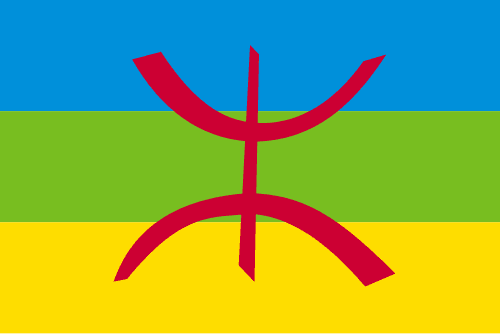
Berber Cross
Morocco / Algeria / Tunisia
Ancient Amazigh geometric cross amulets carried for protection and tribal identity across North Africa's indigenous people.
4.3Learn more →


Ancient Amazigh cloak pin loaded with symbolic protective geometry, silver power, and tribal identity.
The Berber fibula is an elaborate traditional brooch used by Amazigh women across North Africa to fasten their draped garments at the shoulder, functioning simultaneously as a practical fastener, a piece of significant jewelry, and a powerful protective amulet. These large silver pins, often triangular or disk-shaped and decorated with geometric patterns, coral, amber, coins, and hanging chains with additional amulet pendants, represent one of the richest jewelry traditions in the world. A single Berber fibula can concentrate an entire vocabulary of protective symbols — triangles for protection, spirals for life force, diamonds for the eye, zigzags for water — into one wearable piece.
In Amazigh tradition silver is the metal of protection par excellence — gold was associated with wealth and the city, while silver was the metal of the mountains and the countryside, the metal that the ancestral spirits and protective forces recognized. Silver fibulae were a woman's most significant personal possession, often inherited matrilineally and accumulating protective power with each generation that wore them. At important life moments — weddings, births, circumcision ceremonies — women would wear their full complement of silver jewelry, literally wrapping themselves in protective power.
The geometric language on fibulae is not merely decorative — each element is a condensed visual prayer, a protective statement encoded in shape rather than words. A woman who understood her jewelry's vocabulary wore not just beauty but a complete system of protective intention, making the fibula one of the most sophisticated protective amulets in the world's jewelry traditions.
Comprehensive female protection, maternal lineage power, tribal identity, and the accumulated protective blessing of ancestral women who wore the same piece. The fibula is a woman's armor, worn not to go to battle but to keep battle from finding her.
Wear a fibula brooch to feel connected to the strength of North African women's ancestral protective traditions. Display inherited or collected fibulae as artwork honoring indigenous jewelry mastery. Gift to women facing significant life transitions, invoking the protective feminine lineage wisdom encoded in the form.
Archaeological evidence shows fibula-style cloak pins in use in North Africa since the Bronze Age, over 3,000 years ago. The specific Berber silver fibula tradition, however, developed its most characteristic forms during the period following the Arab conquest of North Africa in the 7th and 8th centuries CE, as Amazigh communities asserted cultural identity through distinctly non-Arabic jewelry traditions.
Silver is the primary metal — Amazigh tradition strongly associates silver with protective power. Coral was historically traded from Mediterranean fisheries and is considered powerful protective material in North African tradition. Amber, enamel, coins (especially old silver coins), and glass beads are also common additions.
The geometric patterns encode protective symbols — triangles represent the point that deflects the evil eye, spirals represent life force, zigzags represent water and purification. The silver itself is considered protective. Hanging chains and pendants create movement and sound, which are additionally believed to ward off evil spirits in many North African traditions.
Yes. Antique Berber silver jewelry including fibulae is actively collected internationally and commands significant prices at auction houses and specialist dealers. However, the collector market has created pressure that has depleted some Amazigh communities of their ancestral jewelry. Ethical sourcing is an important consideration when purchasing antique Berber pieces.
Morocco / Algeria / Tunisia
Ancient Amazigh geometric cross amulets carried for protection and tribal identity across North Africa's indigenous people.
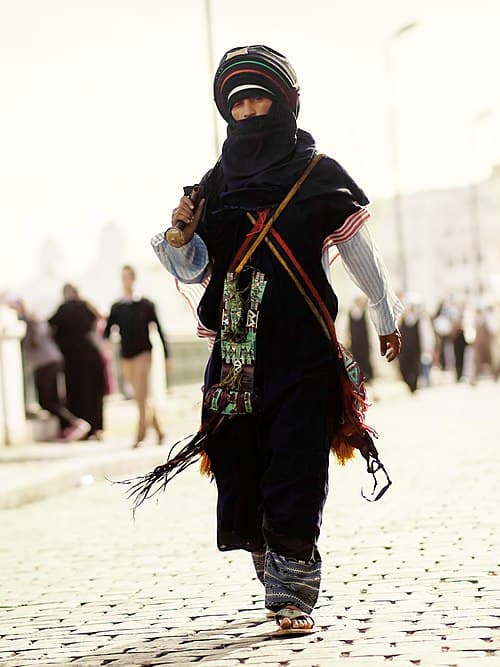
Algeria / Mali / Niger
A sacred Saharan cross amulet, each regional variant representing a different oasis city and offering directional protection to desert travelers.
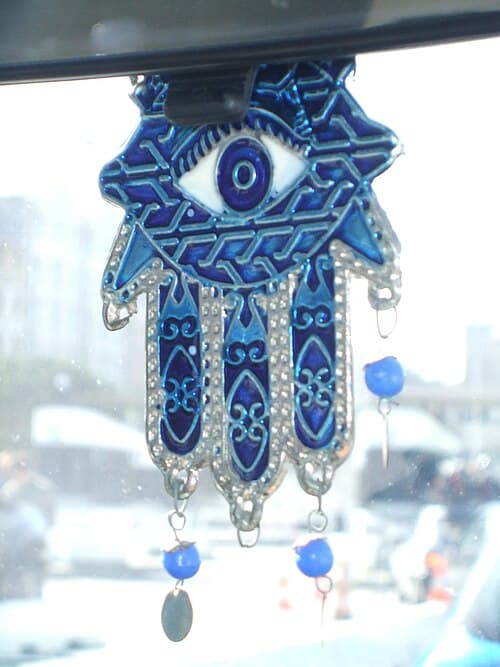
Middle East / North Africa
The sacred open palm named for the Prophet Muhammad's daughter, a cornerstone of Islamic protective symbolism.

