
84
Health
🌿
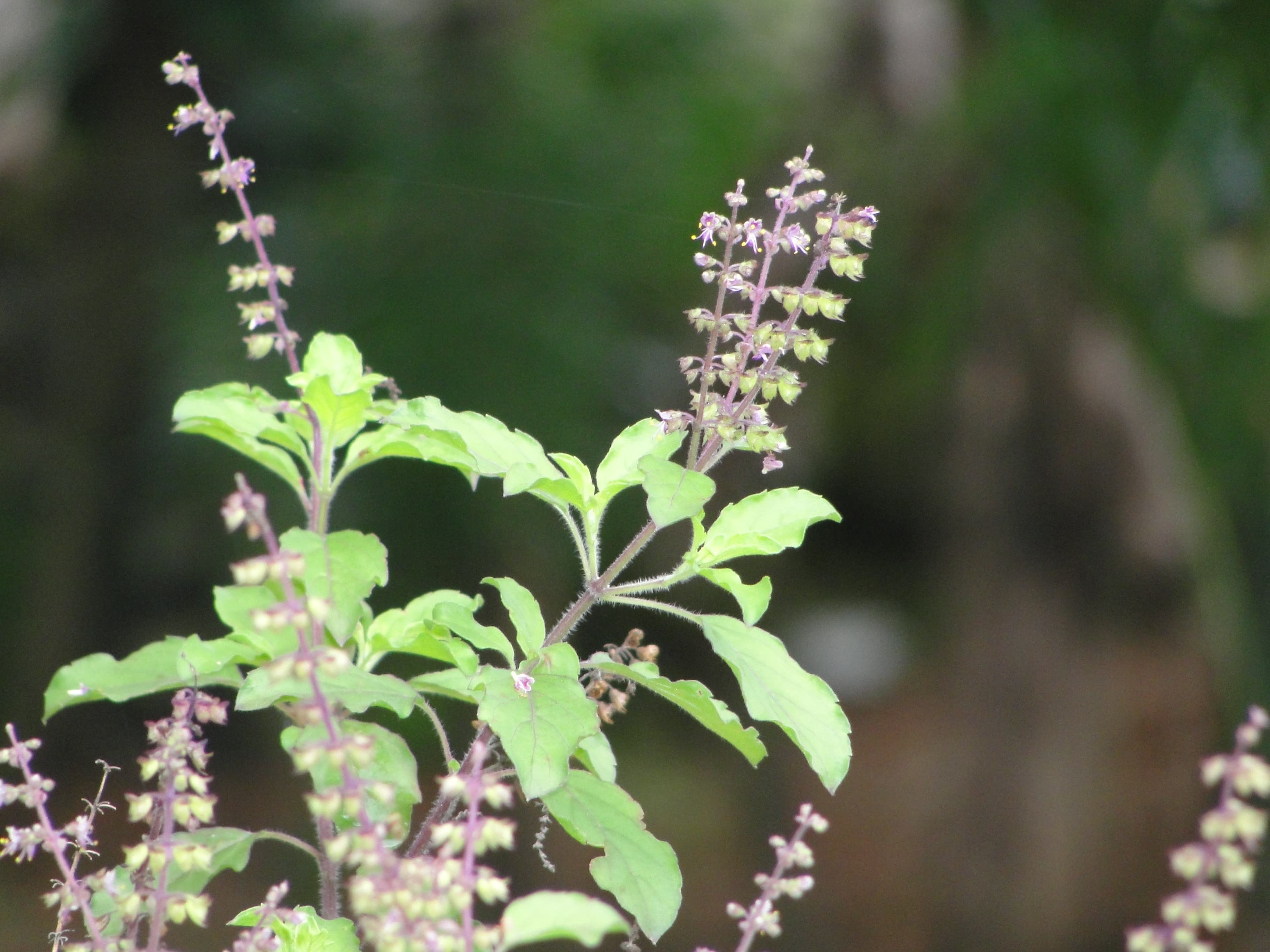
Tulsi Plant
India
The holy basil plant is considered the earthly manifestation of the goddess Lakshmi and the most sacred plant in the Hindu home.
4.7Learn more →


The three-leafed bael tree is Lord Shiva's favorite offering and one of the most sacred plants in Shaivite Hinduism.
The bael tree (Aegle marmelos) is considered the most sacred tree in Shaivite Hinduism — Lord Shiva is believed to dwell within the bael tree, and no offering is more pleasing to him than a fresh bael leaf. The distinctive trifoliate leaf (three leaflets on a single stem) is said to represent Shiva's three eyes, the three prongs of his trident (trishul), and the trinity of Brahma, Vishnu, and Shiva. Offering bael leaves to a Shiva lingam — even a single leaf offered with sincere devotion — is considered equivalent to offering the most elaborate ritual gifts, because of the leaf's special relationship with the deity.
Bael trees are planted near Shiva temples throughout the subcontinent, and the leaves are picked fresh each morning for temple offerings. The simple ritual of picking three bael leaves, washing them, and offering them to a Shiva lingam with Om Namah Shivaya is considered one of the most powerful and complete morning practices in Shaivite tradition. The leaves should be offered with the smooth side facing up (toward the deity) and the stem pointing toward the offerer (toward oneself). The act of picking the leaves carefully without breaking the triple-leaf structure is itself considered a meditative practice in attentive collection.
Medically, the bael tree's fruit is one of the most effective treatments for gastrointestinal disorders in Ayurvedic medicine — raw bael treats diarrhea and dysentery; ripe bael treats constipation. The leaves have significant antibacterial properties. The combination of Shiva's association with the tree (Shiva as Vaidyanatha, the lord of physicians) with the tree's real medicinal properties makes the bael another example of Indian tradition's successful integration of spiritual and practical healing knowledge.
Shiva's direct blessing and presence, the healing power of the divine physician, the triple nature of reality (creation, preservation, destruction), and the complete offering of devotion made through simplest means.
Offer three bael leaves to a Shiva lingam each morning with the mantra Om Namah Shivaya for daily Shiva blessings. Keep a dried bael leaf in your wallet for protection and divine connection. Make bael leaf water (soak leaves overnight) to drink on Mahashivaratri and Shravan Mondays for spiritual cleansing. A bael tree in the home garden is considered highly auspicious for Shaivite households.
The bael leaf's trifoliate structure makes each leaf a natural representation of the number three — and three has unique significance in Shiva symbolism: Shiva has three eyes, carries a three-pronged trident, and is associated with the three states of consciousness (waking, dreaming, deep sleep) that together form complete existence. The leaf is thus a botanical encoding of Shiva's nature.
Traditional practice strongly prefers fresh bael leaves, as the life force (prana) in the leaves is part of the offering. However, if fresh leaves are genuinely unavailable, dried leaves offered with sincere devotion are considered acceptable by most Shaivite teachers. The sincerity of intention is always considered the primary factor in the offering's efficacy.
Mondays (Shiva's day) and especially Pradosh days (the 13th lunar day of each fortnight, specifically at sunset) are considered the most powerful times for bael leaf offerings. Mahashivaratri (the Great Night of Shiva) is the most auspicious single day for bael worship. During the entire month of Shravan (July-August), daily bael offerings are particularly meritorious.
The bael tree and its medicinal properties are known across South and Southeast Asia, and the fruit is consumed in Buddhist countries as well. However, the specifically sacred use of the trifoliate leaf as a Shiva offering is almost exclusively Shaivite Hindu. The tree appears in Buddhist texts as a medicinal plant (Charaka Samhita documents its healing properties) without the same theological significance it carries in Shaivism.
India
The holy basil plant is considered the earthly manifestation of the goddess Lakshmi and the most sacred plant in the Hindu home.

India
The sacred fig tree is where the Buddha attained enlightenment — its heart-shaped leaves are potent symbols of wisdom and divine dwelling.

India
Seeds of the Elaeocarpus ganitrus tree, rudraksha beads are the tears of Shiva — the most potent Hindu spiritual talisman.

India
The primordial sound of the universe, Om is the most sacred symbol in Hinduism, Buddhism, and Jainism.

