

41
General
📿
Mala Beads
India
A string of 108 prayer beads used for mantra repetition, mala beads align the practitioner's energy with divine intention through meditative counting.
4.8Learn more →


Seeds of the Elaeocarpus ganitrus tree, rudraksha beads are the tears of Shiva — the most potent Hindu spiritual talisman.
Rudraksha beads are the dried seeds of the Elaeocarpus ganitrus tree, found primarily in the Himalayan foothills of Nepal and India, and in certain parts of Indonesia. Their name derives from the Sanskrit 'Rudra' (a name for Shiva) and 'aksha' (eye), meaning 'eye of Rudra' or 'tears of Shiva.' According to legend, Shiva meditated for a thousand years for the well-being of all creatures; when he opened his eyes, tears of compassion fell to the earth and became the rudraksha tree. The beads that form are thus considered the direct blessing of Shiva crystallized into physical form.
Each rudraksha bead has a number of naturally occurring facets (mukhis) ranging from one to twenty-one, and each number carries specific spiritual properties and is associated with different deities and planetary energies. The most common variety, the five-faced (panchamukhi) bead, is associated with Shiva himself and is considered safe and beneficial for anyone to wear without astrological consultation. The one-faced (Ekmukhi) bead is extraordinarily rare and said to grant moksha (liberation) and is priced accordingly. The fourteen-faced bead is associated with Saturn and offers protection from malefic influences.
Scientific research has confirmed that rudraksha beads possess unique electromagnetic and bioelectric properties. Studies have measured their capacity to influence heart rate, blood pressure, and neural activity, giving some empirical basis to millennia of anecdotal reports about their calming and healing effects. Whether approached through the lens of spiritual tradition or biophysics, these seeds represent one of the most remarkable natural objects in the world's talisman traditions.
Direct blessing of Shiva, electromagnetic protection, calming of the nervous system, spiritual awakening, and the power to transform negative energy.
Wear as a mala (108 beads) around the neck or wrist, or as a single bead pendant. Traditional rules suggest wearing rudraksha continuously, removing only during funerals. Cleanse monthly by soaking overnight in water and oiling lightly with sesame oil. Chant Om Namah Shivaya 108 times when first wearing.
NASA scientists studied rudraksha beads and found they display a consistently negative electromagnetic charge — a property that may explain their traditional association with calm focus and protection, as the human body and brain function optimally in environments with slightly negative ion charges.
Genuine rudraksha sinks in water (not floats), has clearly defined natural facets with a rough texture, and the lines run from top to bottom hole without artificial scoring. If placed on a copper coin, a genuine bead will rotate slightly due to its electromagnetic properties.
Yes. The historical taboo against women wearing rudraksha was a regional cultural practice, not a universal scriptural prohibition. Many texts including the Devi Bhagavatam explicitly encourage women to wear rudraksha. During menstruation, some traditions suggest removing the beads.
108 is a sacred number in Hindu cosmology: there are 108 Upanishads, 108 sacred sites (Divya Desams) of Vishnu, 108 names of major deities, and astronomers have calculated that the distance between Earth and Sun is approximately 108 times the Sun's diameter.
India
A string of 108 prayer beads used for mantra repetition, mala beads align the practitioner's energy with divine intention through meditative counting.
India
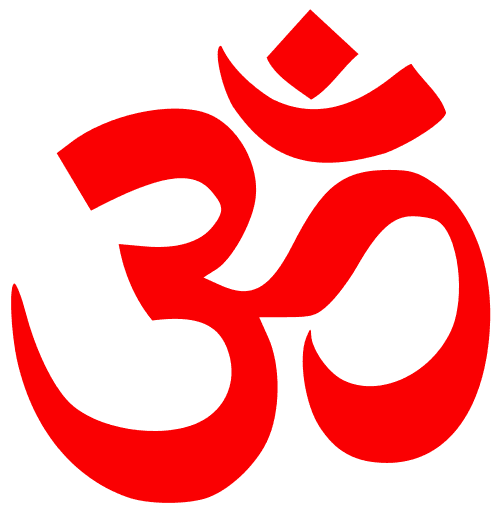
The primordial sound of the universe, Om is the most sacred symbol in Hinduism, Buddhism, and Jainism.

India
The sacred conch shell is blown at auspicious moments to purify the atmosphere and invoke divine blessing across Hindu and Buddhist traditions.

